
Propagating Impatiens mackeyana: A Gardener’s Guide
Introduction:
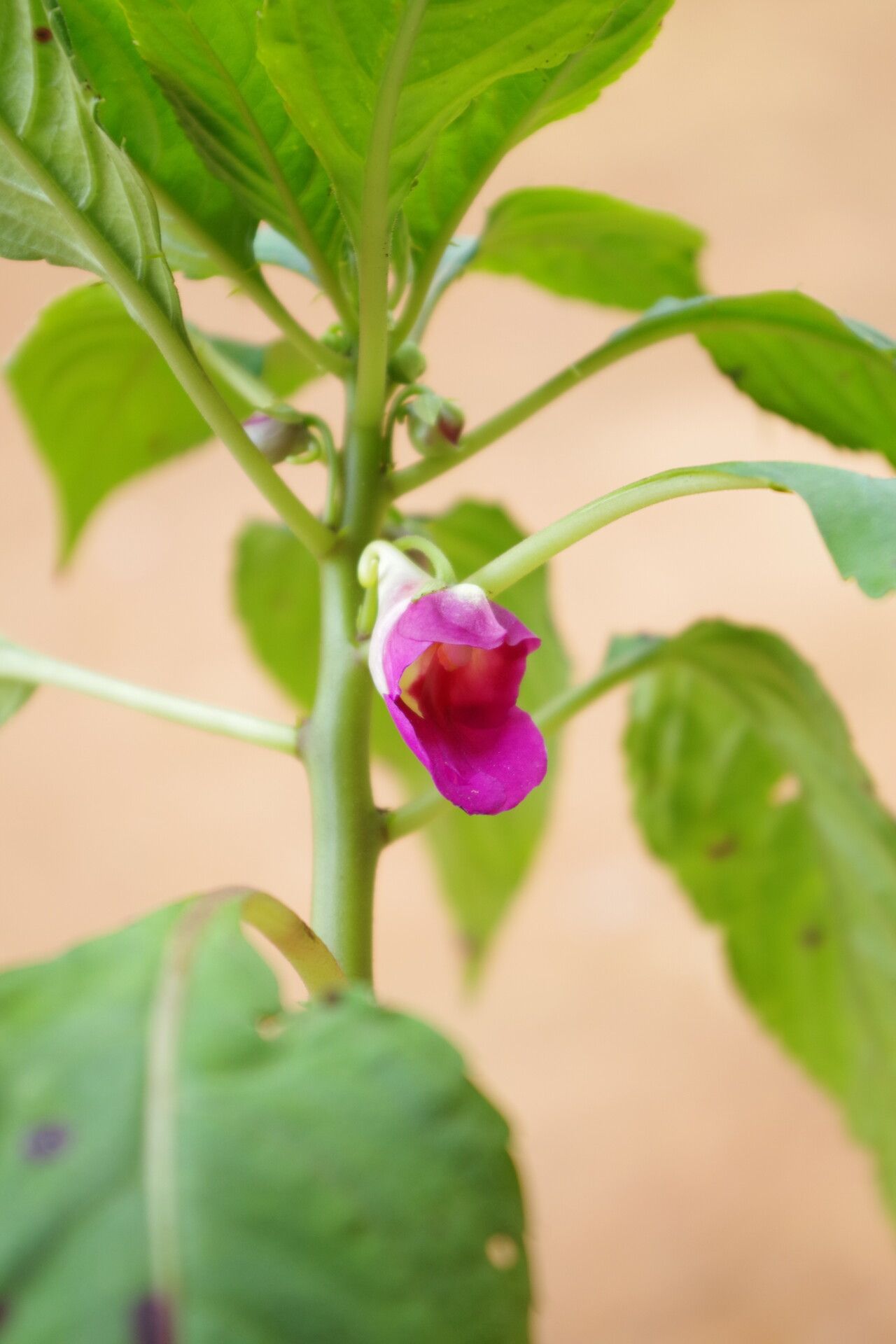
Impatiens mackeyana, also known as the Peruvian Balsam or Congo Cockspur, is a captivating jewel of the Impatiens family, prized for its vibrant, pendulous flowers and lush foliage. Its unique, spur-like blooms in shades of red, orange, and pink, coupled with its relatively easy cultivation, have made it a popular choice among gardeners worldwide. However, propagating this species presents some unique challenges, making successful propagation a rewarding achievement. The relatively low seed production compared to other Impatiens species also makes propagation methods other than seed less predictable.
Seed Germination:
Currently, there are no known reliable methods for seed germination propagation of Impatiens mackeyana. While the plant does produce seeds, germination rates are notoriously low and inconsistent, making this method impractical for most home gardeners. Further research into optimal germination conditions, including potential stratification techniques or hormonal treatments, may be necessary to unlock the potential of seed propagation.
Cuttings:
Cuttings offer a more reliable method for propagating Impatiens mackeyana.
Challenges: Rooting cuttings can be slow and inconsistent. The success rate depends significantly on environmental factors like humidity and temperature. Using older, more mature, well-formed stems rather than delicate new growth offers better results.
Practical Tips: Take 4-6 inch cuttings from semi-hardwood stems, removing lower leaves to prevent rot. Dip the cut ends in rooting hormone powder. Plant the cuttings in a well-draining, moist propagation mix (e.g., perlite and peat moss) and cover with a clear plastic bag or humidity dome to maintain high humidity. Place in a warm location with indirect sunlight. Regularly mist the cuttings to maintain moisture.
Rewards: This method offers a faster way to increase the number of plants compared to other methods, preserving the exact characteristics of the mother plant.
Division:
Division is another feasible yet limited propagation technique for Impatiens mackeyana.
Challenges: Impatiens mackeyana doesn’t readily form dense clumps suitable for easy division like some other Impatiens species. Care must be taken not to damage the roots during separation, which can hinder establishment. This method is only viable for established, larger plants.
Practical Tips: Carefully dig up the mature plant and gently separate it into smaller sections, ensuring each section has healthy roots and stems. Replant these divisions immediately into well-prepared soil.
Rewards: This is a relatively quick, straightforward method producing an immediate increase in plants; however, it is limited by the size and age of the parent plant.
Tissue Culture:
Tissue culture propagation is a potentially highly efficient method but is typically undertaken by commercial nurseries or specialized labs.
Challenges: Tissue culture requires specialized equipment, sterile conditions, and expertise in plant tissue culture techniques. It’s complex, expensive, and requires considerable skill and precision.
Practical Tips: This method is not suitable for home gardeners. Professional laboratories use specific growth media and controlled environments to rapidly multiply plantlets from small plant tissues.
Rewards: Tissue culture offers the potential for large-scale propagation allowing for the production of many genetically identical plants rapidly. This method can be crucial for conserving rare cultivars or for widespread commercial production.
Conclusion:
Propagating Impatiens mackeyana presents unique challenges, depending on the chosen method. While seed germination is unreliable, cuttings and division provide viable options for the home gardener, with cuttings offering better overall success rates. Tissue culture is a sophisticated method best left to professionals. The satisfaction of successfully propagating these beautiful plants, however, far outweighs the initial difficulties. The vibrant blooms that reward your efforts are a testament to the patience and care invested in nurturing these exceptional plants. Don’t be discouraged by initial setbacks – experiment with cuttings, and with perseverance, you can enjoy the beauty of many Impatiens mackeyana in your garden.