
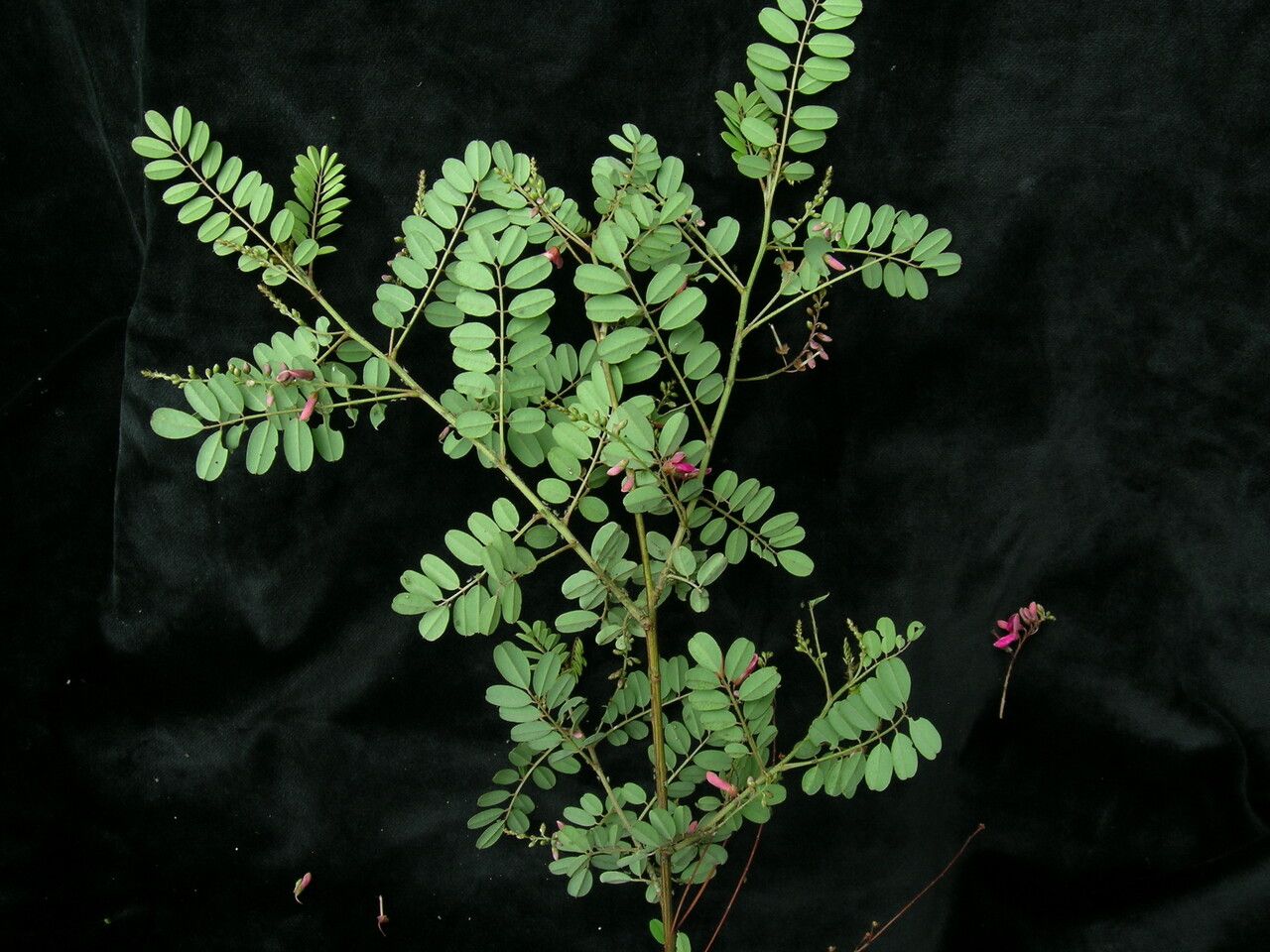
Tiny Leaves, Big Rewards: Unlocking the Secrets of Propagating Indigofera exilis
The Indigofera exilis, with its delicate foliage and explosive pink blooms, is a showstopper in any garden. This semi-woody shrub, native to Western Australia, is not only a visual treat but also surprisingly hardy and adaptable. If, like many others, you’re smitten by its charm, you’re likely wondering: how can I get my hands on more of these beauties? The answer lies in the rewarding journey of propagation.
Luckily, propagating Indigofera exilis isn’t as daunting as you might think. While this resilient plant offers a few different pathways to propagation success, two methods stand out for their accessibility and effectiveness:
1. Cuttings: A Step-by-step Guide to Cloning Your Favorite Shrub:
Taking cuttings is arguably the most popular method, offering a way to replicate the exact characteristics of your parent plant. Here’s how to do it:
- Timing is Key: The ideal time for taking cuttings is during the plant’s active growing season, typically spring to early summer.
- Gather Your Tools: You’ll need sharp pruning shears, a rooting hormone (optional but helpful), a well-draining potting mix, and small pots.
- Select Healthy Cuttings: Look for stems that are young and healthy, about 4-6 inches long.
- Prepare the Cuttings: Remove leaves from the bottom inch or two of the stem. If using, dip the cut end in rooting hormone.
- Potting Time: Plant the cuttings in the prepared pots, ensuring the bottom nodes are below the soil surface.
- Create a Humid Haven: Maintain moisture by covering the pots with a plastic bag or using a propagation dome. Place them in a bright location, out of direct sunlight.
- Patience is Key: Within a few weeks, you should start seeing new growth, indicating successful rooting.
2. Seeding: A Bit More Patience for Budget-Friendly Bounty:
Propagating from seed might seem more economical, but it does require a bit more patience and doesn’t guarantee an exact replica of the parent plant. Here’s the breakdown:
- Source Your Seeds: Collect seeds from mature seed pods on your Indigofera exilis or purchase them from a reputable supplier.
- Pre-treat for Success: Indigofera seeds benefit from scarification (lightly scratching the seed coat) to improve germination rates.
- Sowing the Seeds: Use a well-draining seed-starting mix. Sow seeds shallowly and cover lightly with soil.
- Warmth and Moisture: Provide bottom heat using a heat mat for optimal germination, typically between 70-75°F. Keep the soil consistently moist.
- Germination Time: This can vary but expect to wait a few weeks for seedlings to emerge.
- Transplant with Care: Once seedlings have developed a couple of sets of true leaves, they can be transplanted into larger pots or directly into the garden.
Caring for Your New Progeny:
Whether you choose cuttings or seeds, young Indigofera exilis plants thrive in well-draining soil and a sunny location. While drought tolerant once established, they appreciate regular watering during their initial growth period.
Propagating Indigofera exilis is a fulfilling endeavor that connects you more deeply with the natural world. With a touch of patience and care, you can multiply your collection of this unique and captivating plant, adding bursts of vibrant pink to your garden for years to come.