
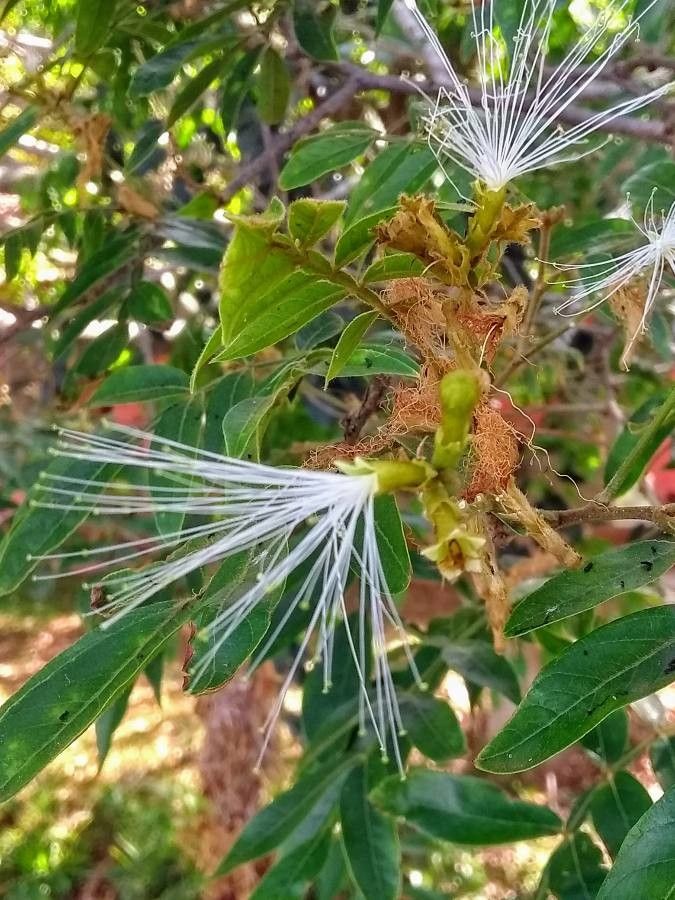
Propagating Inga affinis: The Sweet Challenge of the Ice Cream Bean
Introduction:
Inga affinis, commonly known as the ice cream bean, is a striking tropical tree prized for its edible pods containing sweet, white pulp surrounding dark brown seeds. Its attractive foliage and potential for use in landscaping make it popular among gardeners, though its propagation can present unique hurdles. The unique sweetness of the pulp, reminiscent of vanilla ice cream, adds to its allure and makes successful propagation particularly rewarding. This article will explore various methods for propagating Inga affinis, discussing both their successes and limitations.
Seed Germination:
Seed germination is a viable method for propagating Inga affinis, though it presents some challenges. The hard seed coat often inhibits water uptake, leading to slow or non-existent germination.
Challenges: Dormancy is the primary hurdle. The seeds require overcoming this dormancy before germination can occur.
Practical Tips: Scarification is crucial. This can be achieved by nicking the seed coat with a file or sandpaper, being careful not to damage the embryo. Soaking the seeds in warm water for 24-48 hours before sowing can further enhance water absorption. Sowing should be done in well-draining potting mix, keeping the soil consistently moist but not waterlogged. A warm environment (25-30°C) is ideal.
Rewards: Seed propagation offers the advantage of genetic diversity, potentially resulting in a wider range of plant characteristics. It’s also a cost-effective method suitable for large-scale propagation.
Cuttings:
Propagating Inga affinis from cuttings is possible but generally less successful than seed germination.
Challenges: Inga affinis cuttings are prone to rotting before rooting. The success rate is often low due to difficulty in inducing root formation.
Practical Tips: Semi-hardwood cuttings taken from new growth in spring or early summer are the best option. The use of rooting hormone is highly recommended. Providing high humidity (e.g., using a propagation dome or misting regularly) is crucial for success. Potting mix should be well-draining and sterile to minimize fungal infections.
Rewards: Compared to seeds, cuttings offer the potential to produce clones of superior or desirable mother plants, preserving specific traits.
Division:
Division is not a practical method for propagating Inga affinis. The plant’s structure doesn’t lend itself to being easily divided without significant damage to the mother plant. Because of this, this method is not recommended.
Tissue Culture:
Tissue culture is a potentially viable method for mass propagation of Inga affinis. However, it requires specialized equipment and expertise.
Challenges: Establishing aseptic conditions and finding the optimal medium and growth regulators for shoot proliferation and root induction are crucial, demanding significant technical knowledge and resources.
Practical Tips: This method requires a sterile laboratory environment, appropriate culture media, and experience in plant tissue culture techniques. The process involves sterilizing plant material, followed by culturing on nutrient agar, inducing shoot multiplication, rooting, and finally acclimatizing the plantlets to greenhouse conditions.
Rewards: Tissue culture allows for rapid and large-scale propagation of disease-free plants, maintaining genetic uniformity. It’s particularly useful for preserving desirable genotypes.
Conclusion:
Propagating Inga affinis presents a range of challenges, with seed germination offering the best balance between success rate and practicality for the home gardener, provided appropriate scarification and sowing techniques are employed. Cuttings offer advantages for preserving desirable traits, though success is highly dependent on technique and conditions. Tissue culture, while offering mass production capabilities, demands considerable skill and resources. The rewards, however, are well worth the effort. Successfully cultivating this beautiful and unique tree, with its delightfully sweet pods, provides an immense sense of accomplishment, proving that perseverance in plant propagation is richly rewarded. Aspiring propagators should embrace the challenges and enjoy the journey, ultimately savoring the sweetness of success.