
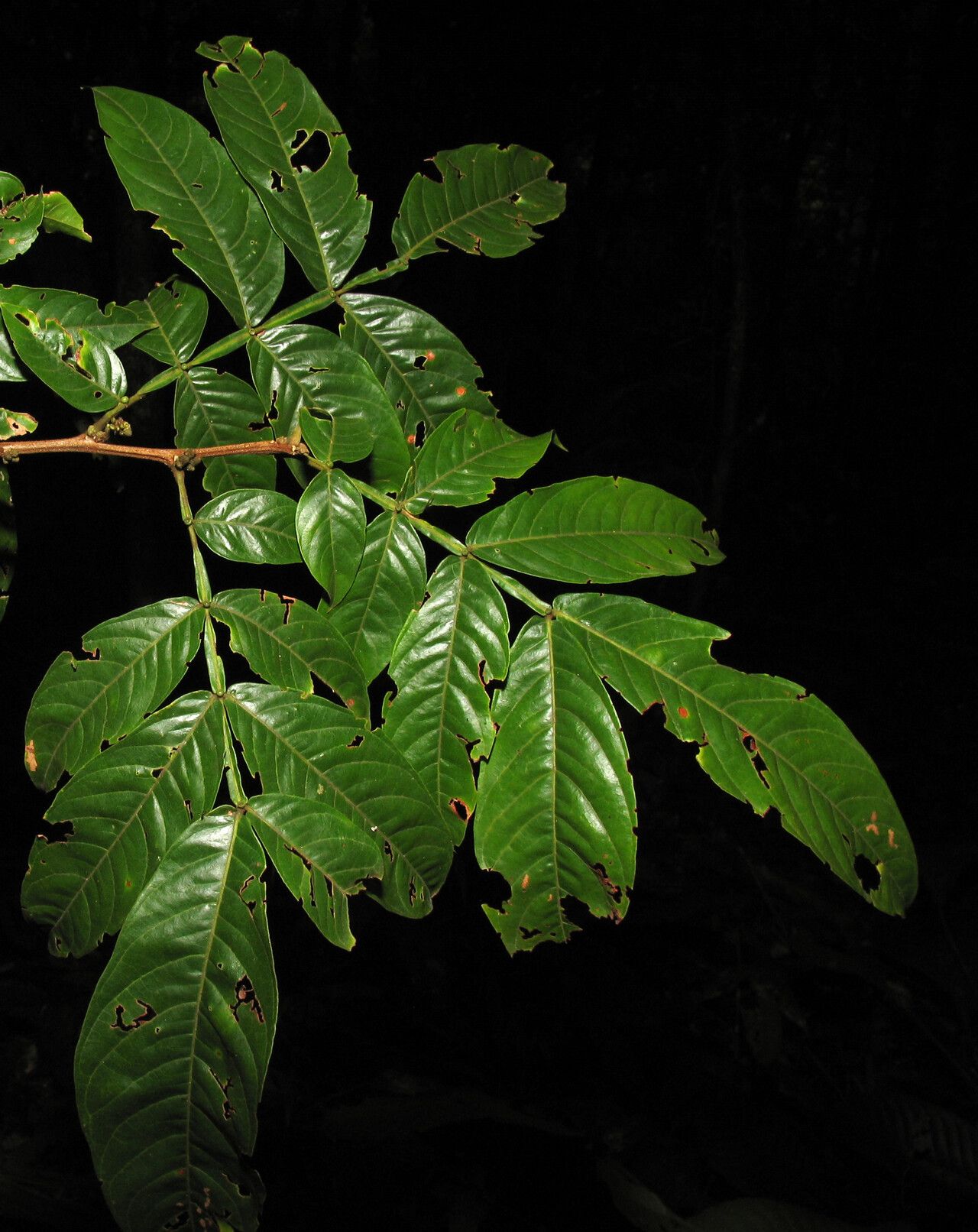
From Bean to Bounty: The Easy Guide to Propagating Inga alata (Ice Cream Bean)
Imagine a tree that produces pods bursting with sweet, creamy pulp, ready to be scooped and enjoyed like a refreshing frozen treat. That’s the magic of Inga alata, also known as the “ice cream bean” tree. This tropical fruit tree, native to the Amazon rainforest, is a delight for the senses, boasting fragrant flowers and delicious, edible pods. But did you know you can easily grow your own ice cream bean tree from seed?
This blog post dives into the fascinating world of Inga alata propagation, explaining step-by-step how to bring this unique tree to life in your garden.
The Power of Seeds:
Inga alata is primarily propagated through seeds, a simple and rewarding process. Here’s what you need to know:
Seed Collection: Start by sourcing ripe inga alata pods. The pods are typically cylindrical, about 6-8 inches long, and contain numerous seeds embedded in the creamy white pulp. Once the pods turn a vibrant brown, they’re ready for harvesting.
Seed Extraction: Carefully split open the pods and extract the seeds. The seeds are small, oval-shaped, and surrounded by a thin, sticky coating. Gently remove this coating by rubbing the seeds between your fingers or using a soft cloth.
- Preparing the Seeds: Before planting, it’s beneficial to scarify the seeds. This simple technique involves nicking or abrading the seed coat to help the seed germinate. You can achieve this by gently rubbing the seeds against sandpaper or a rough surface.
Planting and Germination:
- The Right Soil: Choose a well-draining potting mix that’s rich in organic matter.
- Seed Depth: Sow the seeds about 1/4 inch deep in individual pots or a seed tray. Ensure the seeds are spaced out, allowing room for growth.
- Moisture and Temperature: Keep the soil consistently moist but not waterlogged. Warm temperatures, around 75-85°F, are ideal for germination. You can use a heat mat or place the pots in a warm location indoors.
- Patience: Inga alata seeds can take anywhere from a few weeks to several months to germinate. Be patient and keep the soil moist; the seedlings will eventually sprout!
A Thriving Inga alata Tree:
Once the seedlings appear, provide them with ample sunlight and continue to keep the soil moist. As they grow, you can repot them into larger containers until they reach the appropriate size for your garden.
Inga alata is a fast-growing tree that can reach heights of 20-30 feet in ideal conditions. It’s a tropical tree, so it needs a warm, humid climate to thrive. You can also choose to grow it in a large pot indoors or in a warm greenhouse.
Beyond Seeds:
While seed propagation is the most common method, you can also explore other options for multiplying your inga alata trees. Air layering is a method that involves encouraging root growth on a branch while it’s still attached to the parent plant.
A Feast for the Senses:
The Inga alata tree is a truly remarkable plant, offering a unique and delicious fruit experience. From the fragrant flowers to the creamy, sweet pulp, it’s a tree that will captivate you with its beauty and bounty. With a bit of patience and care, you can propagate your own Inga alata tree and enjoy the sweet, creamy reward of your efforts!