
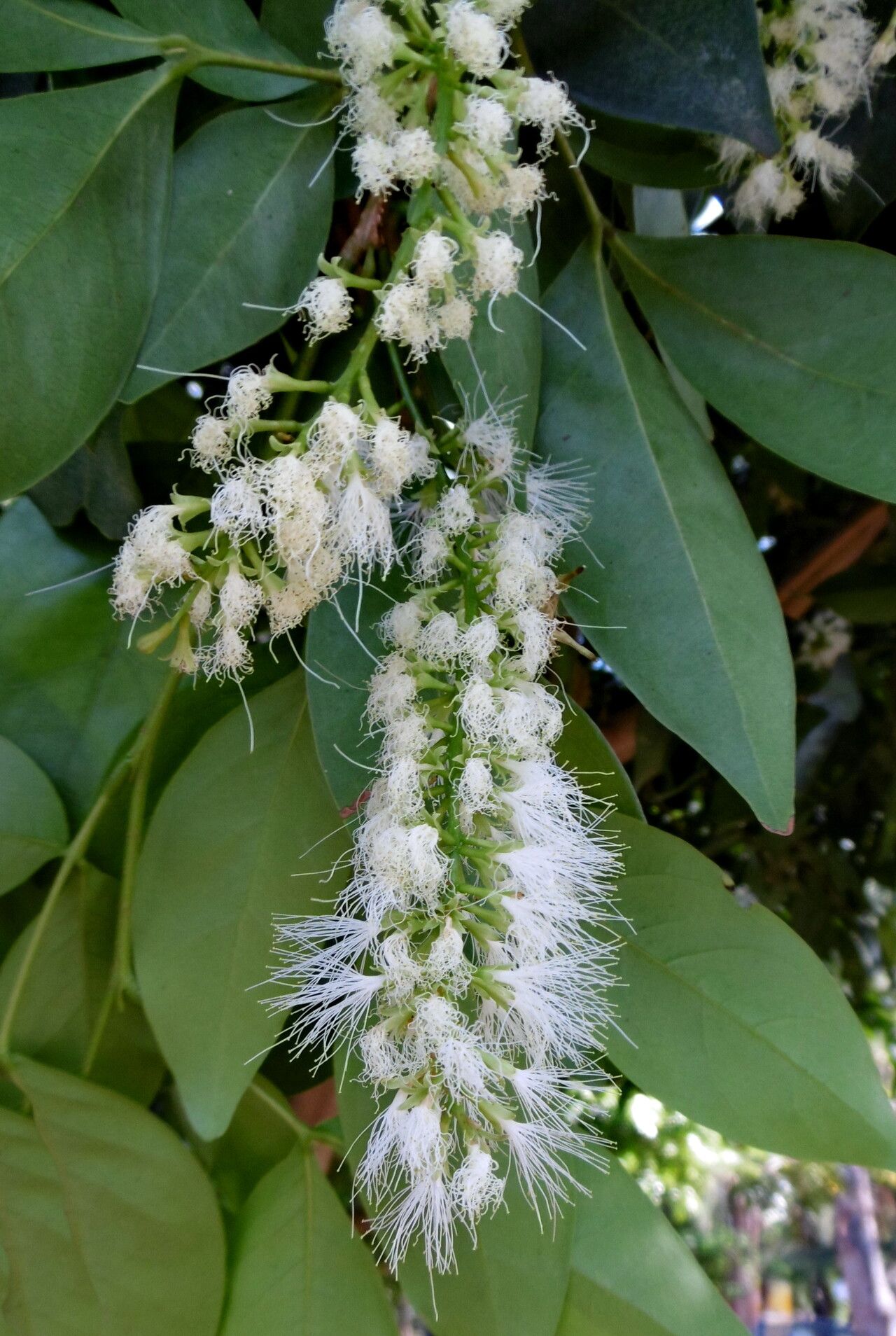
Unlocking the Secrets of Inga Laurina Propagation: From Seed to Sapling
The Inga laurina, also known as the “Rain Tree” or “Ice Cream Bean Tree,” is a captivating tropical tree prized for its edible pods and beautiful canopy. But how can you grow this fascinating tree yourself?
The answer lies in propagation – the process of creating new plants from existing ones. Luckily, Inga laurina offers a few effective methods for propagation, each with its own merits. Let’s dive into the fascinating world of Inga laurina reproduction and explore the best ways to bring this unique tree into your own garden.
From Seed to Sprout: The Journey Begins
Perhaps the most common method of propagation for Inga laurina is using seeds. These seeds are found within the pods of the mature tree, encased in a sweet, white, and edible pulp (hence the “ice cream bean” name).
- Seed Collection and Preparation: Collect ripe pods from the tree and extract the seeds. Carefully remove the surrounding pulp and soak the seeds in water for 24 hours. This softens the seed coat and encourages germination.
- Sowing Seeds: Sow the seeds in a well-draining seed starting mix, burying them about half an inch deep. Keep the soil moist and warm, ideally around 75-80°F. Germination can take several weeks, so patience is key.
Branching Out: The Art of Vegetative Propagation
While seed propagation is reliable, Inga laurina can also be propagated by various vegetative methods, which involve using a part of the existing plant to create a new one:
- Cuttings: Take softwood cuttings from new growth in the spring or summer. Cuttings should be about 6-8 inches long and include at least two sets of leaves. Remove the lower leaves and dip the cut end in rooting hormone. Plant the cutting in a peat-moss mix or vermiculite, keeping it moist and warm.
- Layering: This method involves bending a branch of the Inga laurina and burying a portion of it in the soil. The buried part will eventually develop roots, forming a new plant. Air layering is a variation, which involves removing a section of bark from the branch and applying rooting hormone before covering it with damp moss.
The Importance of Environment
Irrespective of the propagation method chosen, ensuring the right environment is crucial for successful Inga laurina cultivation.
- Sunlight: Inga laurina thrives in full sun to partial shade.
- Soil: Well-drained, slightly acidic soil is ideal.
- Watering: Keep the soil consistently moist, especially during the first year of growth. The tree is relatively drought tolerant once established but appreciates regular watering.
Patience and Care for Your Inga Laurina
Propagation is a journey, and success requires patience and care. Once your Inga laurina sprout begins to grow, provide it with regular watering, fertilizer, and adequate sunlight. Over time, your small sapling will transform into a magnificent tree, providing shade, edible pods, and a touch of tropical beauty to your landscape.
Choosing Your Propagation Method:
- Seed Propagation: Best for starting from scratch and for larger-scale propagation.
- Vegetative Propagation: Ideal for replicating specific characteristics of a parent plant and for producing plants more quickly.
Remember, propagation of Inga laurina is a rewarding process, but it demands patience, meticulous attention, and a deep appreciation for this wonderful tree. With the right technique and care, you can cultivate your own Inga laurina, adding a unique touch of tropical magic to your garden.