
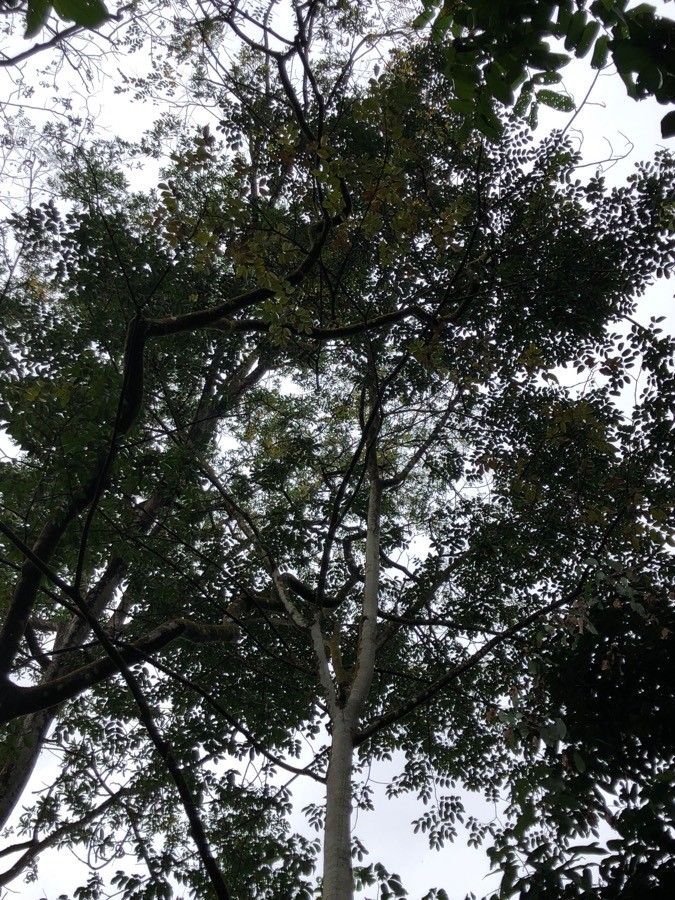
Propagating Intsia palembanica: A Gardener’s Guide to the Ironwood Tree
Intsia palembanica, commonly known as Merbau or Kwila, is a majestic hardwood tree prized for its exceptional strength, durability, and rich reddish-brown heartwood. Its popularity extends beyond its commercial use in construction and furniture making; increasingly, it’s finding a place in discerning gardens for its striking appearance and potential as a statement piece. However, propagating this impressive tree presents unique challenges, making successful cultivation a particularly rewarding experience. This guide explores various propagation methods, outlining their viability and offering practical advice.
Seed Germination:
Currently, there are no known reliable methods for seed germination propagation of Intsia palembanica. While seeds may be produced, germination rates are extremely low, and successful germination has not been consistently documented in horticultural settings. Further research into specific germination requirements, including potential dormancy-breaking techniques, is needed.
Cuttings:
Propagating Merbau via cuttings presents a more promising, though still challenging, avenue.
Challenges: Intsia palembanica wood is exceptionally dense, and this density likely translates to difficulty in root development from cuttings. The relatively slow growth rate of the tree could further hinder the rooting process.
Practical Tips: Hardwood cuttings, taken from mature but not overly woody branches, offer the best chance of success. The use of rooting hormones, a high-humidity environment (e.g., a propagation chamber), and a well-draining, yet moisture-retentive, substrate (such as a perlite and vermiculite mix) is crucial. Bottom heat can stimulate root development.
Rewards: Successful propagation via cuttings allows for quicker maturation compared to seedling-grown trees, while retaining the desirable characteristics of the parent plant. This approach is ideal for smaller-scale propagation projects.
Division:
Division is not a viable method for propagating Intsia palembanica. This tree develops a substantial taproot and is not suited for separation into smaller plants.
Tissue Culture:
Tissue culture offers a potentially significant avenue for propagating Intsia palembanica.
Challenges: Establishing a suitable protocol for this species’ tissue culture will require considerable expertise and experimentation. The development of a contamination-free aseptic environment and the identification of optimal growth media and hormone concentrations are critical to overcoming the inherent limitations of propagating a slow-growing, hardwood species.
Practical Tips: Consulting with experienced tissue culture specialists is advisable. Researching existing protocols for propagating other hardwood species can provide a useful starting point.
Rewards: Tissue culture offers the greatest potential for large-scale propagation, ensuring uniformity and genetic consistency. It also allows for the propagation of rare or disease-resistant varieties.
Conclusion:
Propagating Intsia palembanica is undeniably challenging. While seed germination currently appears infeasible, cuttings provide a more achievable pathway, though success requires patience and attention to detail. Tissue culture holds the greatest potential for larger-scale propagation, albeit with significant technical hurdles. The rewards, however – cultivating this magnificent tree – are immense. The unique satisfaction of nurturing a Merbau from cutting to maturity, overcoming the challenges inherent in its propagation, justifies the effort. For aspiring propagators, persistence, meticulous observation, and a willingness to learn from setbacks are key ingredients for success. Don’t be discouraged by early failures; the eventual triumph of witnessing this strong and beautiful tree flourish is a testament to your dedication and horticultural skill.