
Moonflower Magic: Easy Ways to Multiply Your Night-Blooming Beauty
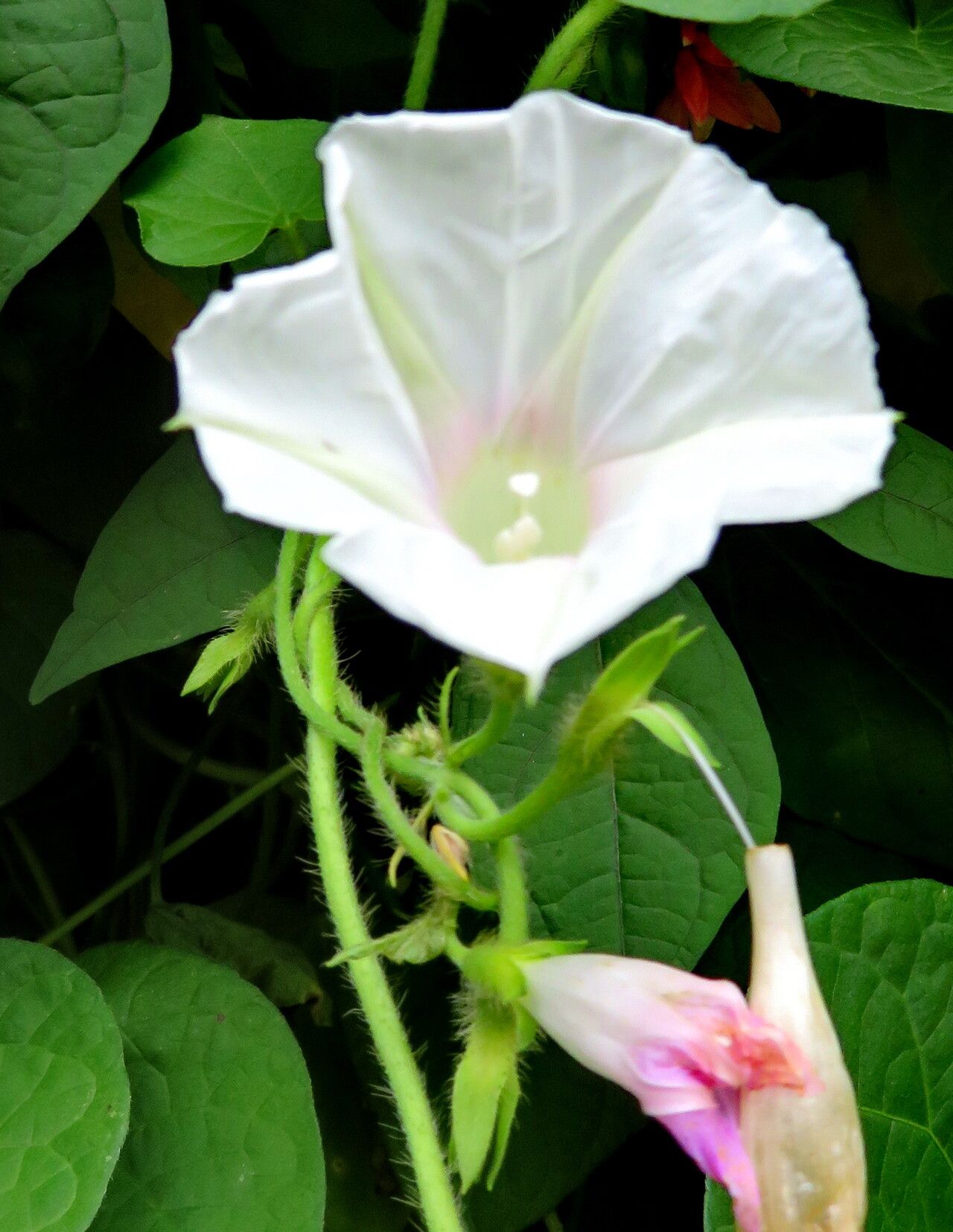
The Ipomoea alba, better known as the Moonflower, is a sight to behold. This climbing vine unfurls its large, white, fragrant blooms at dusk, creating a truly magical spectacle in the moonlight. If you’ve been lucky enough to enjoy its beauty, you’re probably wondering how to get more of these enchanting plants. Thankfully, propagating Ipomoea alba is surprisingly simple, even for beginner gardeners. Let’s explore the different methods you can use to welcome more moonflowers into your garden.
Method 1: Starting from Seed
- Collecting Seeds: Moonflower seeds are hard, brown, and resemble small beans. They form within round pods that appear after the flowers fade. Allow these pods to dry completely on the vine before collecting them. Once dry, crack open the pods to reveal the seeds.
- Sowing: Moonflower seeds germinate best with a little help. Scarify the seeds by gently rubbing them between two pieces of sandpaper to nick the outer layer. This allows water to penetrate and encourages germination.
- Planting: Sow the scarified seeds directly into your garden after the last frost, or start them indoors 6-8 weeks before your last frost date. Plant them about half an inch deep in well-draining soil.
- Care: Keep the soil consistently moist but not soggy. Within a couple of weeks, you should see seedlings emerging.
Method 2: Propagating from Cuttings
- Taking a Cutting: In the spring or early summer, select a healthy, non-flowering stem from your moonflower vine. Using clean, sharp shears, take a cutting about 4-6 inches long, making the cut just below a leaf node.
- Preparing the Cutting: Remove the leaves from the bottom inch or two of the cutting. This is the area that will go into the soil or water.
- Rooting in Water (Optional): While not strictly necessary, you can encourage rooting by placing the cutting in a glass or jar of water. Change the water every couple of days, and you should see roots forming within a few weeks.
- Planting: Once you have roots (or you can skip the water method entirely), dip the end of the cutting in rooting hormone (optional but helpful) and then plant it in a pot with well-draining soil.
- Care: Keep the soil consistently moist and place the pot in a bright location, out of direct sunlight. The cutting should take root and begin to grow new leaves within a few weeks.
Tips for Success
- Well-Draining Soil: Moonflowers are susceptible to root rot, so well-draining soil is essential.
- Sunlight: These night bloomers thrive in full sun to partial shade (at least 6 hours of sunlight per day).
- Support: Provide a sturdy structure like a trellis, fence, or arbor for your moonflowers to climb.
- Patience is Key: It may take a while for your newly propagated plants to bloom, but once they do, the enchanting display will be worth the wait.
By following these easy propagation methods, you can easily expand your moonflower collection and enjoy the mesmerizing beauty of these enchanting night-blooming flowers year after year.