
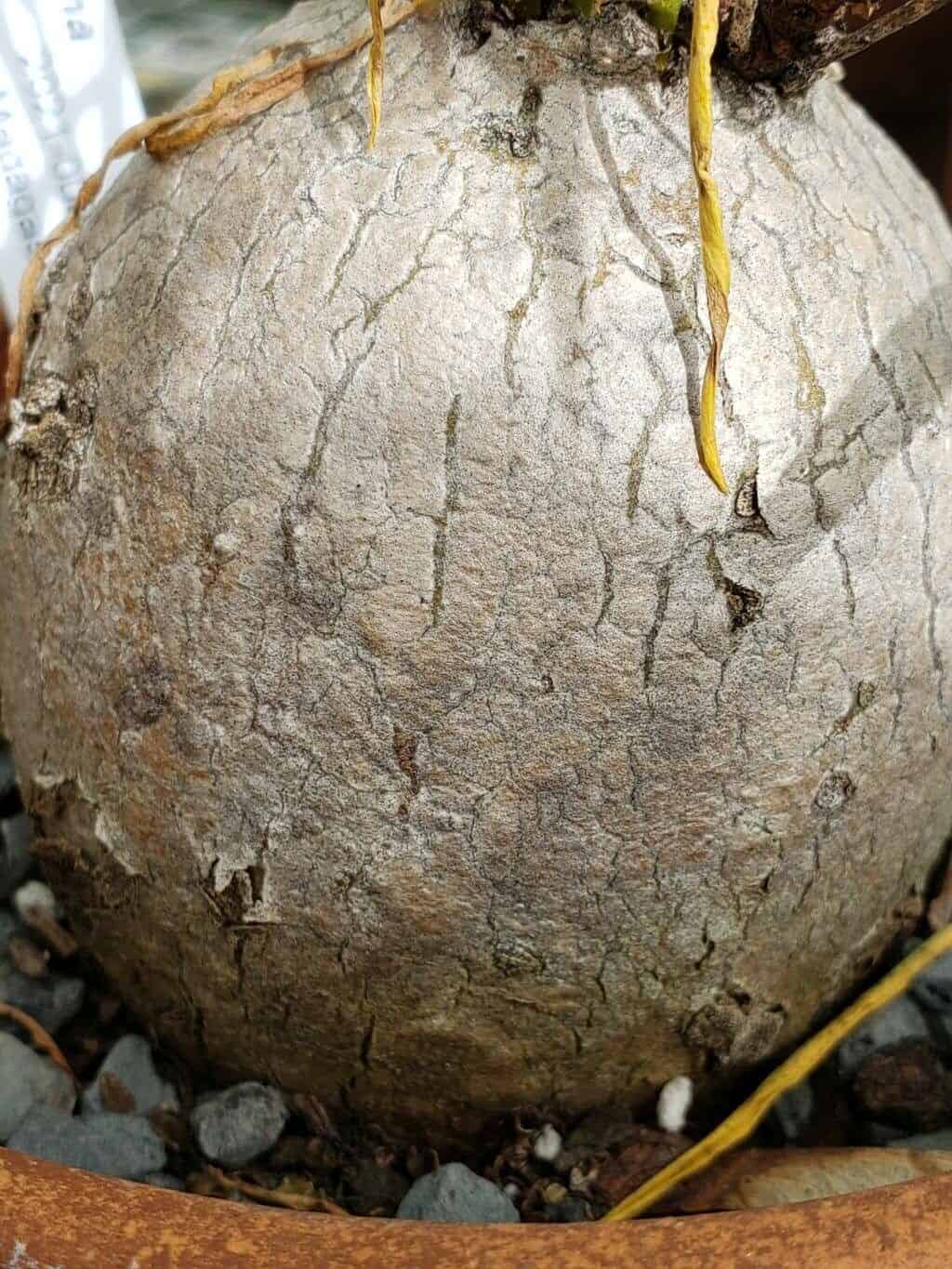
Unlocking the Secrets of the Silver Bush Climber: Propagating Ipomoea bolusiana
The Silver Bush Climber, known scientifically as Ipomoea bolusiana, is a captivating plant with its silvery foliage and stunning white trumpet flowers. This South African native, however, is a rare find in cultivation, making knowledge of its propagation invaluable for plant enthusiasts. If you’re lucky enough to own one or encounter seeds, this guide will equip you with the knowledge to multiply your silvery treasures.
Understanding the Plant:
Ipomoea bolusiana is a deciduous climber, meaning it sheds its leaves seasonally. In frost-free areas, it graces gardens with a sprawling beauty, reaching heights of up to 10 feet. The real showstopper, however, is the foliage – velvety silver leaves that shimmer in the sunlight, providing a striking contrast to greener companions.
Propagation Methods:
While Ipomoea bolusiana can be challenging to propagate, success is achievable with patience and the right techniques.
1. Seed Propagation:
- Seed Sourcing: Seeds are the most common way to propagate this plant but can be tricky to find. Reputable online retailers specializing in rare seeds are your best bet.
- Sowing:
- Timing: Sow seeds in spring or early summer when the weather is warm.
- Preparation: Scarify the seeds by gently rubbing them between two pieces of sandpaper. This helps break dormancy and encourages germination.
- Sowing Medium: Use a well-draining seed-starting mix. Sow the seeds shallowly, about ¼ inch deep.
- Environment: Keep the soil consistently moist and provide bottom heat (around 70-75°F) for optimal germination.
- Patience is Key: Germination can take anywhere from a few weeks to several months.
2. Cuttings:
- Timing: Take cuttings in spring or early summer when the plant is actively growing.
- Selection: Choose healthy, non-flowering stems for cuttings.
- Preparation: Cut a stem segment about 4-6 inches long, making the cut just below a leaf node. Remove the lower leaves, leaving only a couple at the top.
- Rooting Hormone: Applying rooting hormone to the cut end can significantly improve the success rate.
- Planting: Insert the cutting into a pot filled with a well-draining potting mix, burying at least one node below the soil.
- Environment: Maintain a humid environment by covering the pot with a plastic bag or using a propagator. Keep the soil consistently moist but not waterlogged.
- Root Development: It may take several weeks for the cutting to develop roots.
Cultivation Tips:
- Light: Ipomoea bolusiana thrives in full sun to partial shade.
- Soil: Well-draining soil is crucial to prevent root rot. Amending the soil with compost or perlite is beneficial.
- Watering: Water regularly, especially during dry periods, but avoid overwatering.
- Support: Provide a trellis, fence, or other sturdy support for the climber to vine upon.
- Pests and Diseases: This plant is relatively pest and disease-free.
Propagating Ipomoea bolusiana can be a rewarding experience for plant lovers. While it demands a dash of patience, the sight of new silvery leaves unfurling is well worth the effort. By following these tips, you can increase your chances of success and contribute to the presence of this rare and beautiful plant.