
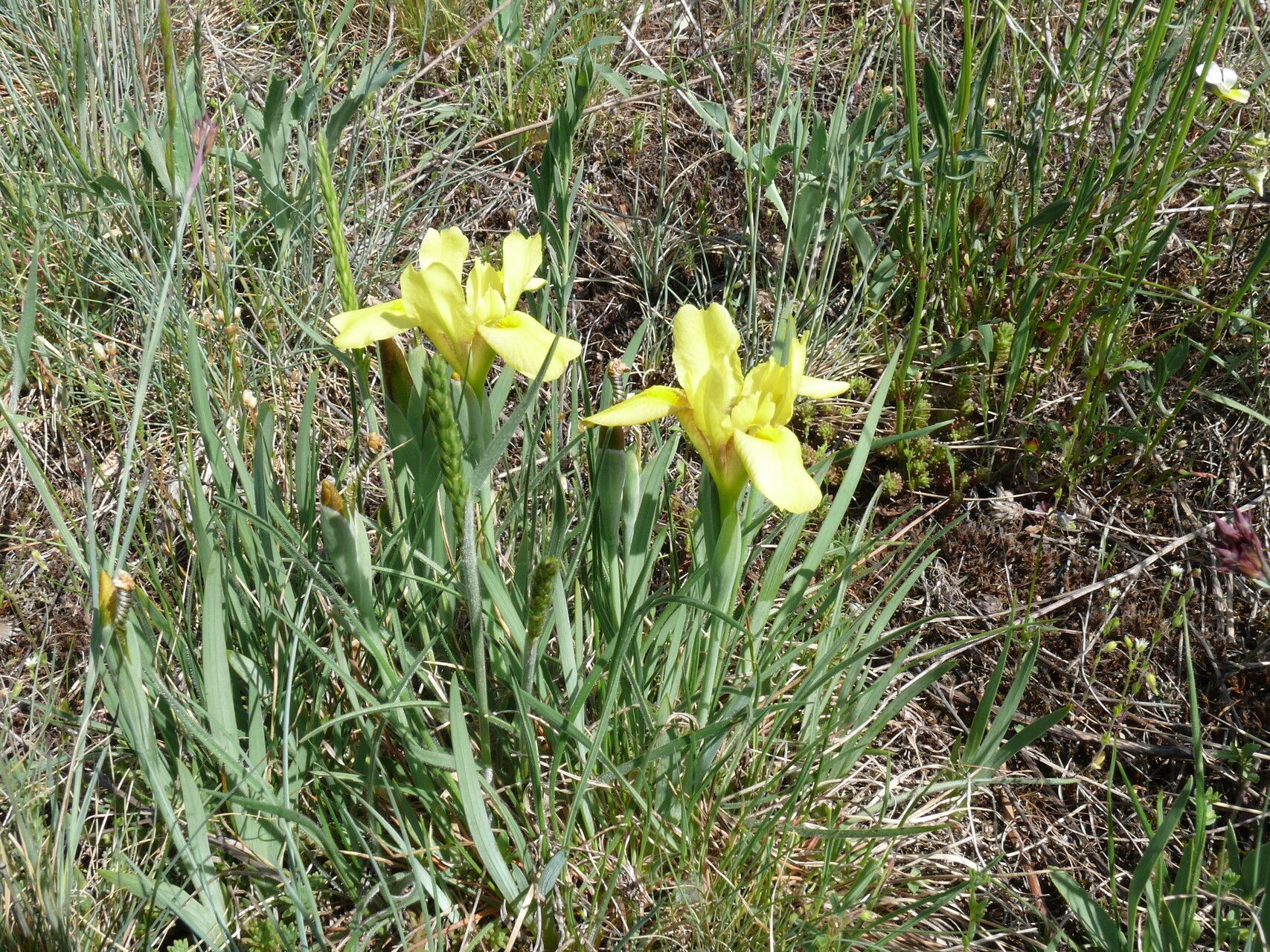
Propagating Iris arenaria: A Guide to Cultivating the Sand Iris
Introduction:
Iris arenaria, also known as the Sand Iris, is a captivating dwarf iris species prized for its delicate, vibrant flowers and its adaptability to harsh, sandy conditions. This low-growing beauty, typically reaching only 10-15cm in height, produces an abundance of small, intensely colored blooms, often in shades of blue, purple, or white. Its compact nature makes it ideal for rock gardens, alpine gardens, and containers, contributing to its growing popularity amongst gardeners. Unlike some larger Iris species, propagation of Iris arenaria presents certain specific challenges, making the successful cultivation of seedlings or divisions particularly rewarding.
Seed Germination:
Seed germination for Iris arenaria is a viable, albeit challenging, method of propagation. The primary difficulty lies in the hard seed coat, which often prevents water uptake and inhibits germination. This requires stratification – a period of cold, moist treatment to break dormancy.
Challenges: Low germination rates are common. Improper stratification can lead to poor or no germination. Seedlings are initially fragile and require careful attention.
Tips: Sow seeds in autumn or winter, either directly outdoors in a well-drained seedbed or in seed trays. Pre-soak seeds in warm water for 24 hours before stratification. Stratify seeds for at least 8-12 weeks at temperatures between 2-5°C (35-41°F) in a moist medium (e.g., vermiculite, perlite mixed with peat moss). Maintain consistent moisture during stratification and after sowing. Ensure good drainage to prevent fungal diseases. Avoid overcrowding seedlings.
Rewards: The primary reward is the potential for significant genetic diversity among the resulting plants. Seed propagation can allow for the development of new color variations and potentially increased hardiness. It also provides a method for large-scale production, though germination rates need to be carefully considered.
Cuttings:
Currently, there are no known reliable methods for propagating Iris arenaria through cuttings. The plant’s growth structure does not lend itself to successful propagation using stem or root cuttings.
Division:
Division is a relatively reliable and straightforward method for propagating Iris arenaria. Established plants can be divided in spring or autumn after flowering.
Challenges: Over-division can weaken plants, resulting in poor establishment and reduced flowering the following season. Improper handling can damage the rhizomes, leading to rot.
Tips: Divide established clumps into sections, ensuring each division has healthy rhizomes and at least several fans of leaves. Plant divisions immediately after separation into well-drained soil, ensuring the rhizomes are just beneath the soil surface. Water well after planting. Avoid disturbing the roots excessively.
Rewards: Division provides a quick and effective way to increase the number of plants, maintaining the characteristics of the parent plant. It is often the most successful method for garden propagation.
Tissue Culture:
While tissue culture is a theoretically viable option for propagating Iris arenaria, it’s not a commonly used method for home gardeners. Specialized equipment and aseptic techniques are necessary for successful tissue culture, rendering it more suitable for commercial or research settings.
Challenges: Requires specialized equipment, sterile conditions, and technical expertise. This method can be expensive and time-consuming.
Tips: This method requires a controlled laboratory setting and is not recommended for beginners. It offers the potential for disease-free plants but requires training and specialized resources.
Rewards: Mass multiplication of superior genotypes. Potential for higher germination and survival rates.
Conclusion:
Propagating Iris arenaria presents a range of challenges depending on the chosen method. Seed germination offers the potential for genetic diversity but requires patience and precise technique. Division offers a reliable and relatively straightforward approach for home gardeners. Cuttings and tissue culture are less feasible options for the home propagator. The unique satisfaction derived from cultivating this plant comes from overcoming these challenges. Carefully following the guidelines, with close attention to detail and patience, will greatly increase the chances of success. Don’t be discouraged by setbacks; the beauty and resilience of the Sand Iris reward the effort of the dedicated propagator.