
Unlocking the Secrets of the Dark Iris: Propagating Iris atrofusca
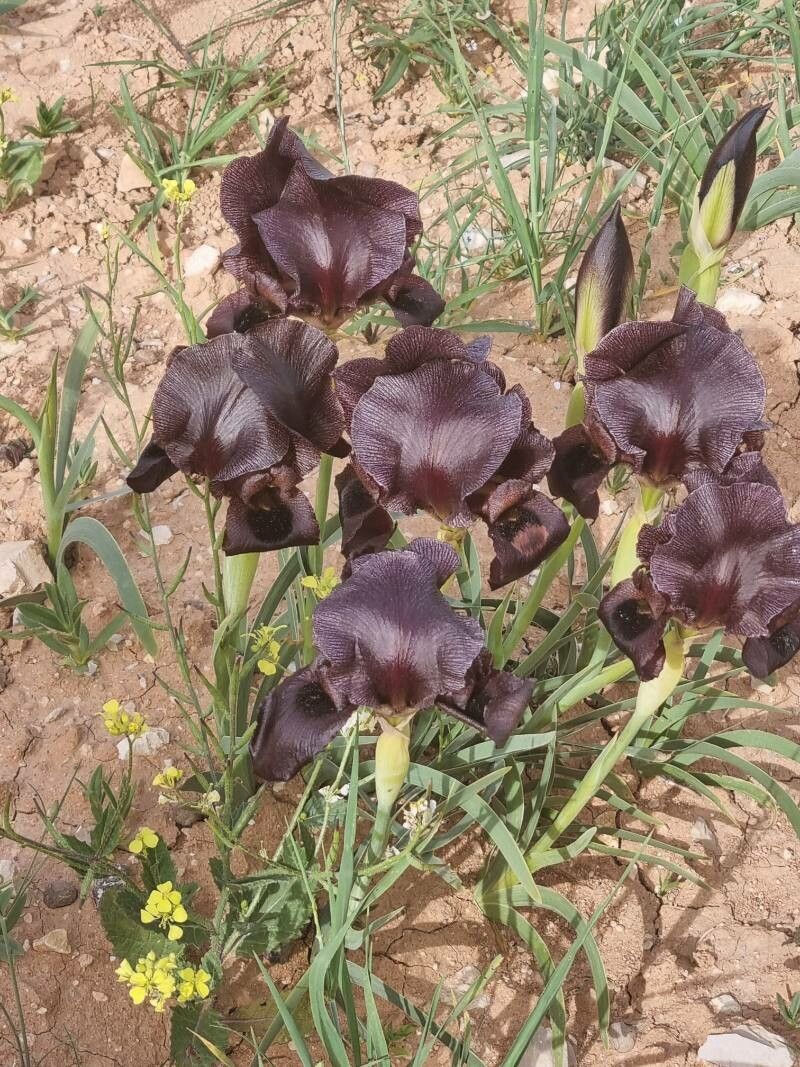
The Iris atrofusca, with its dramatic dark blooms and captivating history, is a prized possession for many plant enthusiasts. Native to the Levant region, this iris species, also known as the “Coastal Iris” or “Judean Iris,” boasts an alluring deep maroon to almost black flower.
While admiring its beauty is a pleasure, successfully propagating Iris atrofusca can feel like a challenging quest. But don’t be discouraged! With the right knowledge, even novice gardeners can cultivate new life from this rare and magnificent plant.
This guide will delve into the two main propagation methods for Iris atrofusca:
1. Rhizome Division:
This is the most common and reliable method. Rhizomes are the thick, underground stems that store nutrients and from which new shoots emerge. Here’s how to divide them:
- Timing is Key: The best time for division is late summer or early fall, after the flowering season.
- Gentle Excavation: Carefully dig up the clump of rhizomes, ensuring you don’t damage them.
- Division with Care: Use a sharp, clean knife to divide the rhizomes. Each section should have at least one healthy fan of leaves and a good amount of roots.
- Replanting: Plant the divided rhizomes horizontally in well-drained soil, ensuring the top of the rhizome sits slightly above the soil line.
- Water Wisely: Water thoroughly after planting, but avoid overwatering, which can lead to rot.
2. Growing from Seeds:
Propagating Iris atrofusca from seeds is challenging but offers a rewarding experience for those who appreciate a good challenge. Here’s what you need to know:
- Seed Collection: Collect mature seed pods after the flowers fade and the pods turn brown and begin to split open.
- Patience is a Virtue: Iris atrofusca seeds can take several months to germinate.
- Cold Stratification: Mimic nature by storing the seeds in a moist paper towel inside a sealed plastic bag in the refrigerator for 6-8 weeks.
- Sowing the Seeds: Sow seeds in a well-draining seed starting mix, barely covering them with soil.
- Light and Warmth: Provide ample light and consistent moisture while you await germination, which can take another few weeks.
Additional Tips for Success:
- Well-Drained Soil: This is crucial, as Iris atrofusca are prone to root rot in soggy conditions.
- Plenty of Sunshine: Choose a sunny location where the plants will get at least 6 hours of direct sunlight each day.
- Pest and Disease Control: Be vigilant about potential pests and diseases, taking appropriate measures as needed.
Preserving a Legacy:
Propagating your Iris atrofusca allows you to multiply these botanical treasures and share their captivating beauty with others. While each method has its challenges, the rewards of seeing new life emerge from your efforts are immeasurable. With patience, dedication, and the right approach, you can play an active role in preserving the legacy of this magnificent dark iris.