
Propagating Ischnosiphon leucophaeus: A Gardener’s Guide to the White-flowered Calathea
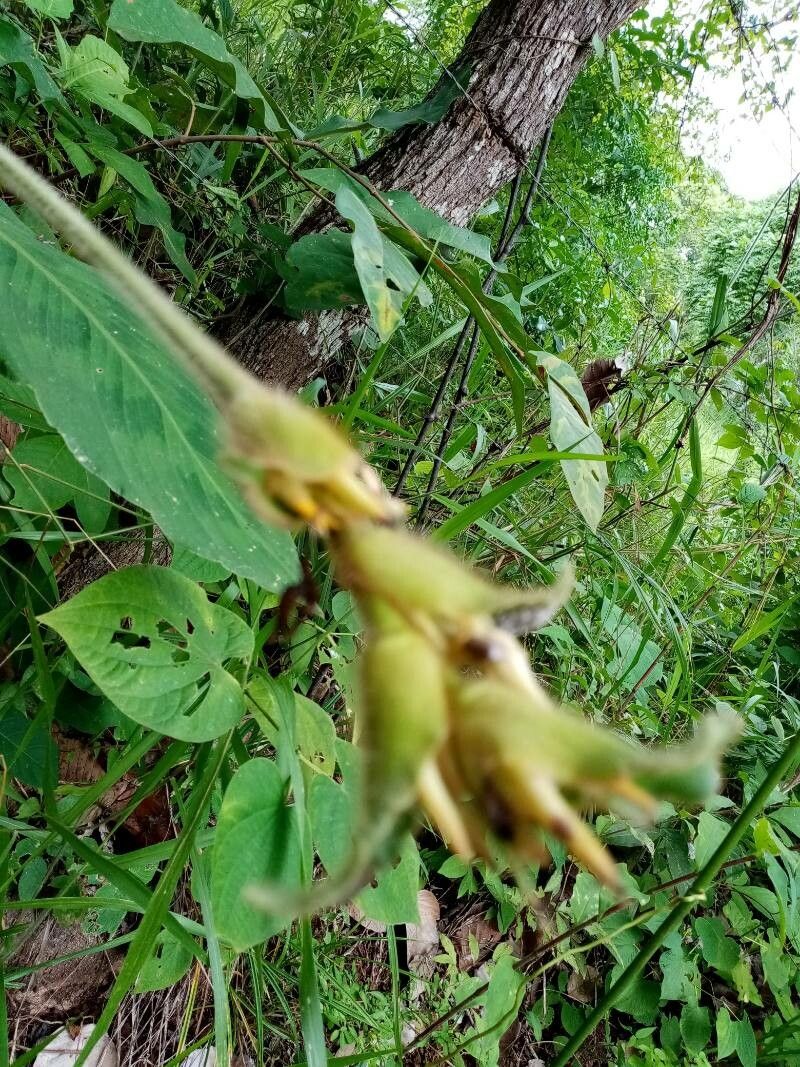
Ischnosiphon leucophaeus, commonly known as the white-flowered Calathea (though not a true Calathea), is a captivating member of the Marantaceae family. This striking plant boasts stunning foliage, often featuring silvery-green to deep green leaves with prominent veins, and delicate, white inflorescences that add a touch of elegance. Its relatively low-maintenance nature and aesthetic appeal have made it a popular choice amongst houseplant enthusiasts and gardeners alike, fueling interest in its propagation. However, unlike some readily propagated plants, I. leucophaeus presents unique challenges.
Seed Germination:
Currently, there are no known reliable methods for seed germination propagation of Ischnosiphon leucophaeus. While the plant produces seeds, germination rates are reportedly extremely low, even under optimal conditions. This is likely due to a combination of factors, including the seed’s dormancy mechanisms and its specific germination requirements which haven’t yet been fully elucidated by scientific research. Further research into seed treatments and germination conditions is needed to make seed propagation a viable option.
Cuttings:
Propagating Ischnosiphon leucophaeus via stem cuttings is a more promising method than seed germination.
Challenges: Rooting cuttings can be slow and inconsistent. The success rate depends heavily on environmental factors like humidity and temperature, and the use of rooting hormones can significantly improve the outcome.
Practical Tips: Take stem cuttings in spring or early summer, ensuring each cutting includes at least two nodes. Remove lower leaves to prevent rot. Dip the cut ends in a rooting hormone powder before planting in a well-draining, moist propagation mix (e.g., perlite and peat moss). Maintain high humidity (e.g., using a humidity dome or propagating under a plastic bag) and consistent warmth (around 24-27°C).
Rewards: Cuttings offer a relatively quick way to increase the number of plants, maintaining the genetic characteristics of the mother plant.
Division:
Division offers a relatively simple and successful propagation method for established Ischnosiphon leucophaeus plants.
Challenges: Division should only be attempted on mature plants with well-developed root systems. Care must be taken to avoid damaging the roots during the process.
Practical Tips: Carefully remove the plant from its pot. Gently separate the rhizomes into smaller sections, ensuring each section has healthy roots and several shoots. Replant each division in individual pots using a well-draining potting mix. Water gently and maintain high humidity until new growth appears.
Rewards: Division is a very reliable method and ensures rapid multiplication of the plant, maintaining the existing characteristics of the mother plant.
Tissue Culture:
Tissue culture offers the potential for large-scale propagation of Ischnosiphon leucophaeus, but it requires specialized equipment and expertise.
Challenges: Establishing a sterile protocol and finding the optimal growth media for I. leucophaeus requires significant experimentation and skill, rendering it unsuitable for the average home gardener.
Practical Tips: This method necessitates a clean lab environment, nutrient agar, and aseptic techniques. Specific growth hormones may need to be added for successful shoot multiplication.
Rewards: Tissue culture offers the potential for rapid and large-scale propagation, enabling the production of large numbers of genetically identical plants.
Conclusion:
Propagating Ischnosiphon leucophaeus presents more challenges than some other houseplants, with seed germination proving particularly difficult. However, cuttings and division provide viable avenues for the dedicated gardener. Tissue culture offers the biggest potential for large-scale propagation, though only feasible in specialized laboratory settings. The rewards of success, though—seeing a vibrant new Ischnosiphon leucophaeus thrive from a small cutting or a divided rhizome—offer a unique sense of accomplishment and deepen the connection with this beautiful plant. Persistence, attention to detail, and a bit of patience are key to successfully propagating this rewarding species, whether you employ cuttings, division, or the more technically challenging methods.