
Unlocking the Secrets of Isochilus linearis Propagation: A Guide for Beginners
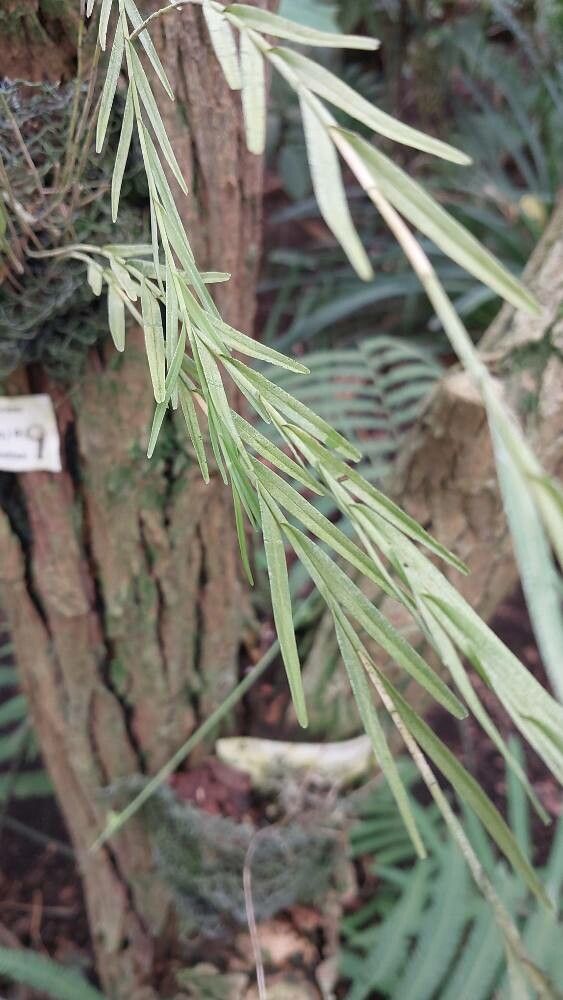
The Isochilus linearis, with its graceful, slender leaves and captivating blooms, has captured the hearts of many plant enthusiasts. Often referred to as the “Linear-leaf Isochilus,” this captivating orchid species adds an elegant touch to any indoor space. But for those eager to expand their collection or share this beauty with friends, the question arises: how can you propagate Isochilus linearis?
Fear not! While propagation might sound daunting, it’s actually a rewarding and achievable process. Let’s unlock the secrets of successfully growing new Isochilus linearis plants from existing ones.
Understanding the Methods
There are two primary methods for propagating Isochilus linearis:
- Division: This method involves carefully separating a mature plant into two or more individual plants, each with its own root system.
- Seed Propagation: While more challenging, it offers the exciting possibility of creating new hybrids or genetically distinct plants.
Division: The Easier Route
For the average plant enthusiast, division is generally the preferred method. Here’s a step-by-step guide:
- Timing is Key: The best time to divide your Isochilus linearis is during its active growth period, usually after flowering.
- Prepare Your Tools: You’ll need a sharp, sterilized knife or scissors, a clean pot with fresh potting mix, and a pair of gardening gloves.
- Gentle Separation: Carefully remove the plant from its pot, and loosen the soil around the roots. Look for natural dividing points where the plant has formed new growth clusters. Gently separate these clusters, ensuring each division has its own healthy root system.
- Repotting: Plant each division in a pot slightly larger than the root ball, using a well-draining orchid potting mix. Water thoroughly, allowing any excess water to drain.
- Post-Division Care: Place the new plants in a bright, indirect light location. Avoid excessive watering, allowing the potting mix to dry slightly between waterings.
Seed Propagation: A Challenge Worth Embarking On
Seed propagation is a more involved process, requiring careful preparation and patience.
- Collecting Seeds: After flowering, the Isochilus linearis will produce seed capsules. Allow the capsules to mature fully, turning brown and dry. You can then harvest the seeds, which are tiny and dust-like.
- Sterile Environment: Sowing Isochilus linearis seeds requires a sterile environment to prevent contamination. Sterilize all equipment and use a seed-starting mix specially formulated for orchids.
- Sowing: Gently sprinkle the seeds onto the surface of the sterile seed-starting mix. Do not cover them with soil.
- Humidity and Light: Maintain high humidity by covering the seed tray with a clear plastic dome or using a humidity dome. Place the tray in a bright, indirect light location.
- Patience and Care: Germination can take several weeks or even months. Keep the seed mix consistently moist but not soggy.
Cultivating Your New Isochilus linearis
Whether you choose division or seed propagation, remember these crucial steps for successful cultivation:
- Light: The Isochilus linearis thrives in bright, indirect light. Avoid direct sunlight, which can scorch the leaves.
- Watering: Allow the potting mix to dry slightly between waterings, ensuring proper drainage. Overwatering can lead to root rot.
- Humidity: This orchid thrives in humidity levels between 50% and 70%. Consider using a humidifier or placing the plant on a pebble tray filled with water.
- Fertilizing: Feed your Isochilus linearis with a balanced orchid fertilizer during the growing season, following the instructions on the product label.
Propagating Isochilus linearis might seem like a daunting task, but with careful planning and the right steps, you can enjoy the rewarding experience of growing new plants from your existing ones. Remember to be patient, observe your orchids closely, and embrace the unique beauty of this stunning species. You’ll soon be sharing the joy of Isochilus linearis with others, and expanding your own plant collection with this elegant and captivating orchid.