
Unlocking the Secrets of Isodon Repens: A Guide to Propagation
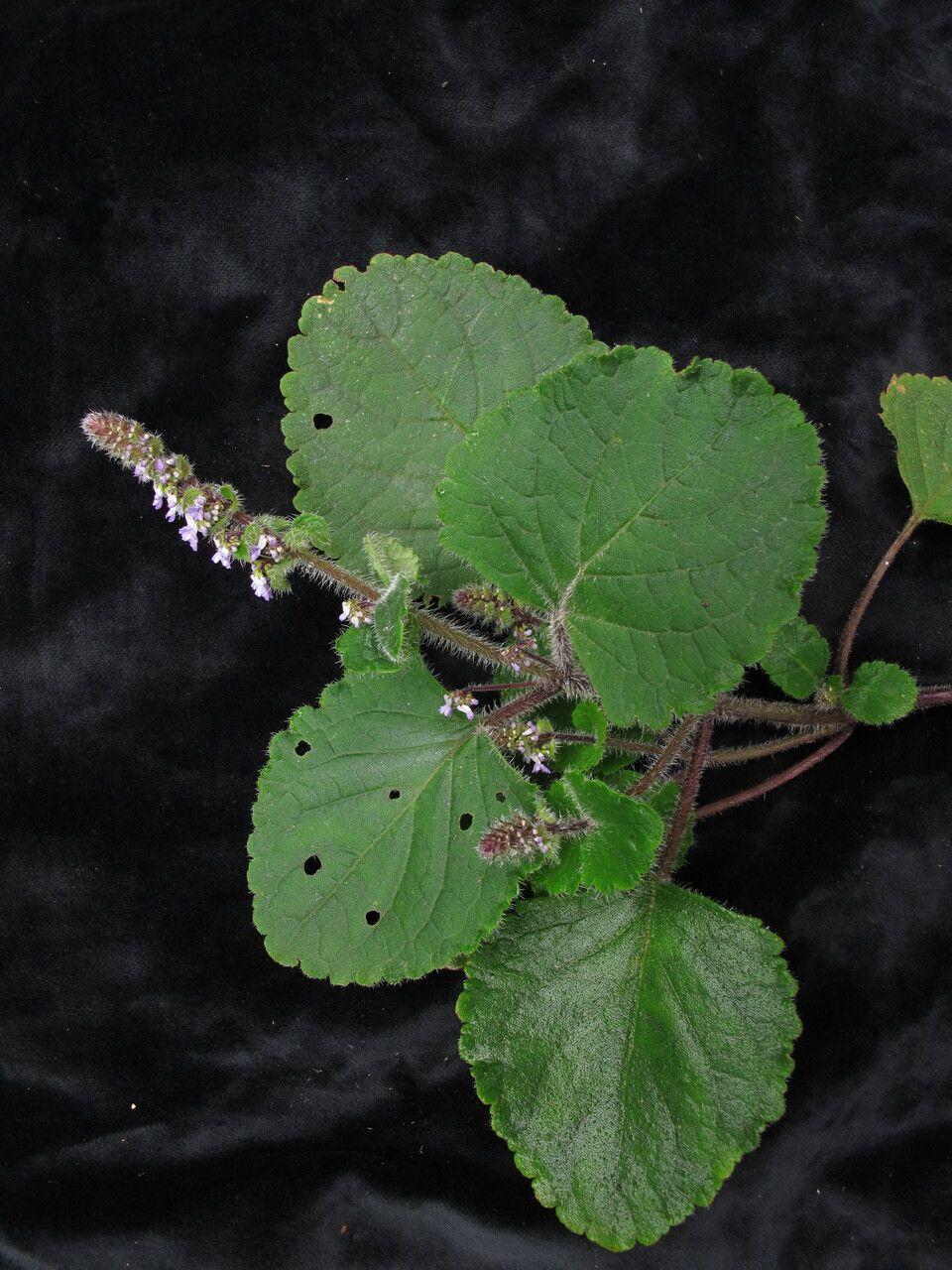
Isodon repens, also known as the creeping isodon or Japanese mint, is an attractive groundcover celebrated for its lush foliage and charming lavender blooms. If you’re lucky enough to have this plant grace your garden, you might be wondering about the best ways to encourage its spread. Good news – Isodon repens is relatively easy to propagate, allowing you to expand your plant collection or share its beauty with friends. Let’s delve into the different methods that will help you successfully propagate this resilient groundcover.
Understanding the Plant
Before we dive into propagation, it’s helpful to understand a bit about Isodon repens. This semi-evergreen perennial thrives in partially shaded areas with moist, well-drained soil. It typically flowers from late summer to fall, attracting pollinators with its delicate blooms. Knowing the plant’s preferred conditions will help you provide the right environment for your new propagations to flourish.
Method 1: Division
Dividing established Isodon repens plants is the easiest and quickest way to generate new growth.
- When to Divide: Early spring or fall, when the plant is not actively flowering, is the ideal time.
- How to Divide:
- Water the plant thoroughly the day before you plan to divide it.
- Carefully dig around the plant, ensuring you don’t damage the roots.
- Gently lift the plant from the ground and shake off excess soil.
- Using your hands or a sharp, clean knife, carefully divide the plant into sections, making sure each section has a good amount of roots and shoots.
- Replant the divisions immediately in prepared planting holes or pots, ensuring they are at the same depth as they were originally growing.
- Water thoroughly.
Method 2: Stem Cuttings
Taking stem cuttings is another effective way to propagate Isodon repens.
- When to Take Cuttings: Late spring or early summer, when the plant is actively growing, is the optimal time.
- How to Take Cuttings:
- Select healthy, non-flowering stems.
- Using clean, sharp pruning shears, cut a 4-6 inch section from the tip of the stem, just below a leaf node.
- Remove the leaves from the bottom inch or two of the cutting.
- Dip the cut end in rooting hormone (optional, but recommended).
- Plant the cuttings in a pot filled with a well-draining potting mix, burying at least one node.
- Water thoroughly and cover the pot with a plastic bag to create a humid environment.
- Place the pot in a shaded location, out of direct sunlight.
- Roots should develop in a few weeks. You can test for roots by gently tugging on the cutting. Resistance indicates root development.
Method 3: Layering
Layering utilizes the natural ability of Isodon repens to root along its stems where they touch the ground.
- When to Layer: Spring or early summer is the best time.
- How to Layer:
- Select a healthy, flexible stem.
- Wound the stem slightly by making a small cut or scraping off a bit of the outer layer about 6-8 inches from the tip.
- Bend the wounded section towards the ground and bury it in a shallow trench (about an inch deep).
- Use a small rock or landscape pin to hold the layered portion in place.
- Keep the soil consistently moist.
- Roots should develop in a few weeks. Once rooted, you can sever the new plant from the parent.
Caring for Your New Propagations
Whether you chose division, cuttings, or layering, ensure your new Isodon repens plants receive consistent moisture, especially during the establishment phase. Provide partial shade, particularly during the hottest parts of the day, and protect them from harsh weather conditions.
With a little patience and the right techniques, you can easily multiply your Isodon repens plants and enjoy their beauty in different parts of your garden or share the joy of this charming groundcover with fellow gardeners!