
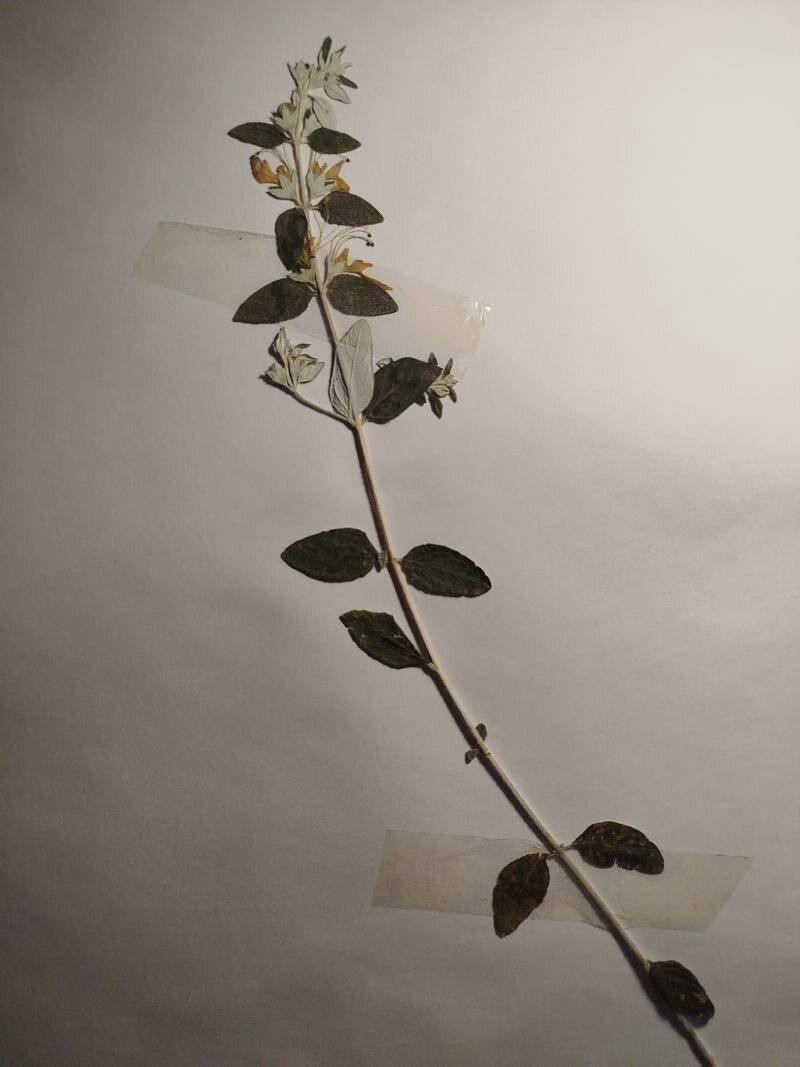
Unlocking the Secrets of Isodon Rugosus Propagation: From Seed to Stunning Plant
Isodon rugosus, also known as the Japanese Nettle or Rough-leaved Isodon, is a captivating plant prized for its striking foliage and charming purple flowers. But did you know that you can easily grow this beauty from scratch? Whether you’re a seasoned gardener or a curious beginner, propagating Isodon rugosus is a rewarding experience, and we’re here to guide you through the process.
The Joy of Propagation
Propagating your own plants, especially from cuttings, is a powerful way to connect with nature. It allows you to share your garden’s bounty with friends, expand your collection without breaking the bank, and enjoy the satisfaction of nurturing life from scratch. Let’s dive into the world of Isodon rugosus propagation:
Methods of Propagation:
Seed Propagation: Isodon rugosus can be propagated from seed, but it’s not the most common method. Seeds require a period of cold stratification (exposure to cold temperatures) to break dormancy. This can be done by sowing seeds in a cold frame or refrigerator for 6-8 weeks before planting them in a seed tray filled with well-draining potting mix.
- Cuttings: This method is considered the easiest and most popular way to propagate Isodon rugosus. Choose healthy, non-flowering stems from the current season’s growth. Make a sharp cut just below a node (where a leaf grows) and remove the lower leaves. Dip the cut end in rooting hormone (optional) and insert it into a pot of rooting mix – a mixture of perlite and peat or vermiculite works well. Keep the potting media moist but not soggy.
Creating the Perfect Environment:
Isodon rugosus cuttings thrive in warm, bright conditions, but are best protected from direct sunlight. A humidity dome or plastic bag placed over the pot will aid in root development, but make sure you vent them regularly to prevent rot. In around 4-6 weeks, your cuttings should have developed roots and are ready to be transplanted into individual pots or directly into the garden.
Garden Placement and Care:
Once your Isodon rugosus plants are established, they are relatively low-maintenance. Choose a location that receives dappled sunlight and provides well-draining soil. Water them regularly, especially during hot weather, but avoid overwatering. They are known to tolerate a range of soil types, even clay, but benefit from a mulch layer to retain moisture and suppress weeds.
Beyond Propagation: Exploring Isodon Rugosus:
Once you have successfully propagated Isodon rugosus, you’ll be amazed by its versatility. This enchanting plant is a wonderful choice for both containers and garden beds. Its distinctive foliage adds texture and visual interest, while its purple flowers attract beneficial pollinators, making it a valuable addition to your pollinator-friendly garden.
Enjoy the Journey:
Propagating Isodon rugosus is not just about producing new plants, it’s about embracing the fascinating world of plant propagation. It’s a journey of discovery, a chance to delve into the secrets of nature and see firsthand the magic of life unfolding. So, why not embark on this rewarding journey today? You’ll soon understand why Isodon rugosus is a gardener’s favorite – a plant that’s beautiful, easy to propagate, and sure to bring joy to your garden.