
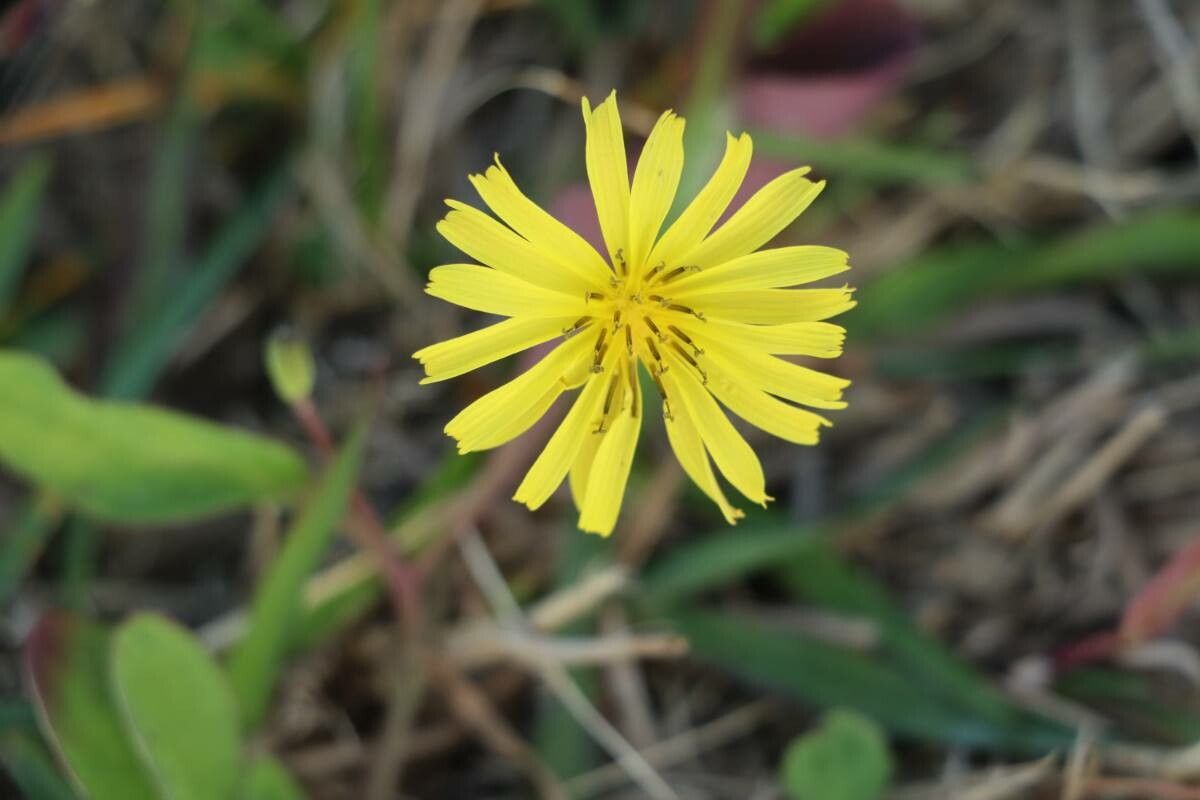
Unlocking the Secret to More Creeping Lettuce: Propagating Ixeris japonica
Ixeris japonica, commonly known as Japanese aster or creeping lettuce, is a charming wildflower loved for its cheerful yellow blooms and ability to thrive in challenging, often overlooked areas. If you’re lucky enough to have this resilient beauty grace your garden, you might be wondering how to encourage its spread and enjoy even more of its sunny disposition. Well, the secret lies in successful propagation!
Luckily, propagating Ixeris japonica isn’t as daunting as it may seem. This versatile plant readily reproduces through two main methods:
1. Seed Propagation:
- Timing is key: Ixeris japonica produces an abundance of seeds in the fall. Collect these seeds once the flower heads turn brown and dry.
- Direct sow or start indoors: For established gardens, direct sowing in the fall or early spring offers the most natural approach. Simply sprinkle the seeds on bare soil and lightly rake them in. If you’re looking for a head start, sowing seeds indoors 6-8 weeks before the last frost is a great option. Use a seed starting mix and keep the soil consistently moist.
- Transplanting seedlings: Once seedlings develop a few sets of true leaves and the danger of frost has passed, harden them off gradually before transplanting them to their final location in the garden.
2. Division:
- Divide and conquer: This method is ideal for established clumps of Ixeris japonica. In early spring or fall, carefully dig up the entire plant.
- Separation anxiety? Don’t worry! Gently tease apart the root system, separating the plant into smaller sections, each containing a healthy set of roots and shoots.
- Replant and thrive: Replant the divisions immediately at the same depth they were previously growing. Water them well to reduce transplant shock.
Tips for Propagation Success:
- Well-drained soil: Ixeris japonica thrives in well-drained soil, even tolerating poor, rocky conditions.
- Sun or shade: This adaptable plant can handle both full sun and partial shade, making it a versatile addition to various garden settings.
- Watering wise: While Ixeris japonica is relatively drought tolerant, providing regular watering, especially during establishment, will encourage robust growth.
- Pests and diseases: This hardy plant typically doesn’t encounter any serious pest or disease issues, making it a low-maintenance choice for gardeners of all levels.
Reap the Rewards:
By successfully propagating Ixeris japonica, you’ll be rewarded with an abundance of these charming wildflowers. Their bright yellow blossoms will attract pollinators to your garden while their resilience ensures a beautiful display even in challenging conditions. So, roll up your sleeves, get propagating, and watch your Ixeris japonica thrive!