
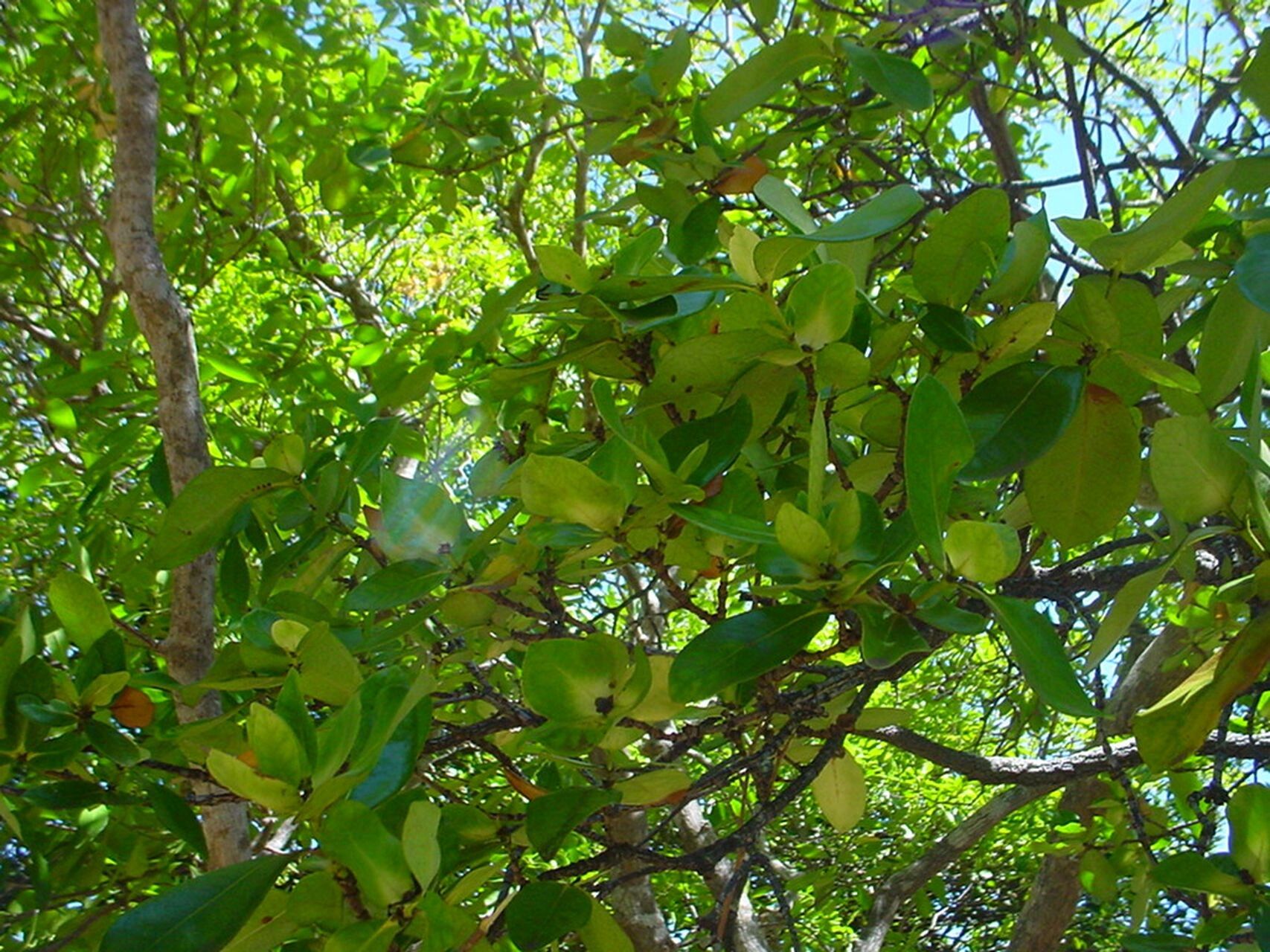
Propagating Ixora collina: A Gardener’s Guide to Success
Introduction:
Ixora collina, commonly known as the jungle geranium or flame of the woods, is a captivating shrub prized for its vibrant clusters of small, tubular flowers. These blossoms, ranging in color from fiery red to delicate pink and orange, attract pollinators and add a splash of tropical brilliance to gardens worldwide. Its dense, evergreen foliage creates a visually appealing backdrop further enhancing its horticultural value. While relatively easy to maintain once established, propagating Ixora collina can present some unique challenges, making successful cultivation a rewarding experience. Its popularity necessitates reliable propagation methods, and several techniques can be employed, each with its own complexities and benefits.
Seed Germination:
Currently, there are no known reliable methods for seed germination propagation of Ixora collina. While the plant does produce seeds, their germination rate is notoriously low, and successful germination under typical horticultural conditions is rarely reported. The seeds often suffer from dormancy issues and require specific environmental conditions difficult to replicate consistently.
Cuttings:
Cuttings are the most common and reliable method for propagating Ixora collina.
Challenges: While relatively successful, rooting cuttings can sometimes be slow and require careful attention to detail. Infection from fungal diseases is a risk if proper hygiene isn’t maintained.
Practical Tips: Take semi-hardwood cuttings, about 4-6 inches long, from healthy, non-flowering stems in late spring or early summer. Remove lower leaves to prevent rotting and dip the cut ends in a rooting hormone for faster establishment. Plant cuttings in a well-draining propagation mix (e.g., perlite and peat moss) and maintain high humidity using a plastic bag or humidity dome. Place in a warm location with indirect sunlight. Regular misting will aid in moisture retention.
Rewards: Cuttings provide a quicker and more reliable method of propagation compared to other methods. They accurately replicate the parent plant’s characteristics, ensuring consistent quality in the offspring.
Division:
Division is another viable propagation method, particularly useful for established, mature plants.
Challenges: This method is only applicable for well-established plants and can be disruptive to the parent plant. Inappropriate division can damage roots and reduce the vigor of both the parent and the offshoots.
Practical Tips: Divide the plant during the dormant season carefully separating the rootball into several sections, each with sufficient roots and stems. Replant immediately into well-drained soil ensuring adequate spacing. Minimize root disturbance during the process.
Rewards: Division provides a quick means of multiplying the number of plants.
Tissue Culture:
Tissue culture is a viable method but is more complex and requires specialized equipment and expertise.
Challenges: Tissue culture requires a sterile environment and specialized media and techniques. Establishing sterile conditions and preventing contamination is crucial, demanding a higher level of skill and investment.
Practical Tips: This method involves culturing small plant tissues in a nutrient-rich agar medium under aseptic conditions allowing for rapid multiplication of genetically identical plants. Specialized knowledge and laboratory facilities are indispensable for success.
Rewards: Tissue culture produces a large number of uniform, disease-free plants, ideal for commercial propagation and conservation purposes.
Conclusion:
Propagating Ixora collina can be challenging, but the rewards are worth the effort. While seed germination is unreliable, cuttings offer a relatively straightforward and effective option for home gardeners. Division is suitable for established plants, and tissue culture provides a large-scale solution suited for experienced propagators and commercial nurseries. The unique satisfaction of nurturing a cutting from a small stem into a vibrant, flowering shrub, or successfully dividing a mature plant, is undeniably rewarding. The vibrant colors and the attractive form of Ixora collina make the effort to cultivate it truly worthwhile, and regardless of the specific method selected, mastering its propagation is a testament to horticultural dedication. Don’t be discouraged by initial setbacks; persistence and attention to detail will ultimately lead to success.