
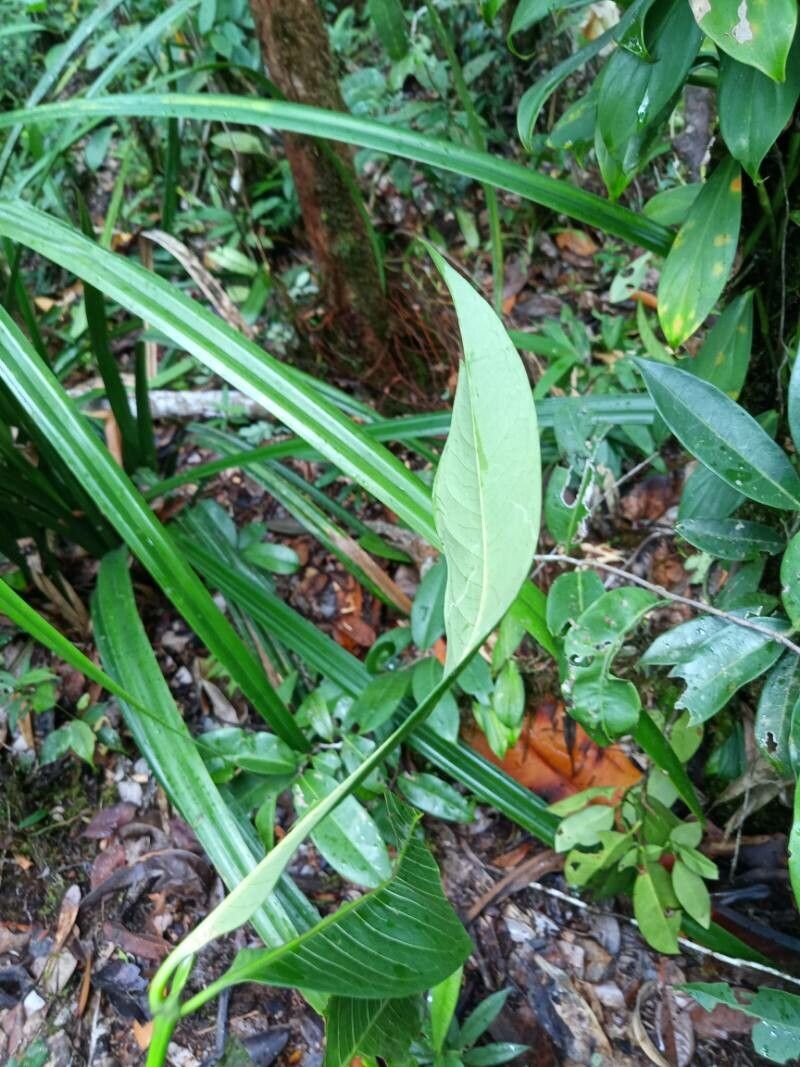
Propagating Ixora sparsifolia: A Gardener’s Guide
Introduction:
Ixora sparsifolia, also known as the sparse-flowered Ixora or sometimes simply as a species of Ixora, is a relatively less common but highly prized shrub for its attractive, sparse clusters of vibrant flowers and relatively compact growth habit compared to other Ixora species. Its unique aesthetic makes it a sought-after plant among gardeners seeking a more refined, less flamboyant addition to their landscape. However, propagating Ixora sparsifolia presents certain challenges not always encountered with more readily propagated species. This article explores various methods of propagation, highlighting both the hurdles and the rewarding aspects of bringing this beautiful shrub to life.
Seed Germination:
Currently, there are no known reliable methods for seed germination propagation of Ixora sparsifolia. While Ixora species generally produce seeds, the germination rate of Ixora sparsifolia seeds, if produced at all, is reportedly very low and unpredictable. Further research is needed to determine optimal conditions for seed germination in this specific species.
Cuttings:
Cuttings represent a more viable method for propagating Ixora sparsifolia.
Challenges: The success rate can be variable depending on factors such as the age and health of the parent plant, the timing of the cuttings, and the environmental conditions. Root rot is a potential issue if the cuttings are not properly managed.
Practical Tips: Semi-hardwood cuttings taken in late spring or early summer generally yield the best results. These should be approximately 4-6 inches long, with the lower leaves removed to prevent rotting. Applying a rooting hormone powder before planting in a well-draining, sterile propagation mix (e.g., perlite and peat moss) significantly improves the chances of success. Maintaining a high humidity level (e.g., using a humidity dome or misting regularly) is crucial during rooting.
Rewards: Cuttings offer a relatively straightforward method for replicating the exact genetic characteristics of the parent plant, ensuring the desirable traits are maintained. This method is also suitable for smaller-scale propagation.
Division:
Division is generally not a feasible method for propagating Ixora sparsifolia. Its root system is not typically conducive to division, and attempts to separate the plant frequently result in damage and failed propagation.
Tissue Culture:
Tissue culture offers the potential for large-scale propagation of Ixora sparsifolia, overcoming the limitations of other methods.
Challenges: Tissue culture requires specialized equipment, a sterile environment, and expertise in plant tissue culture techniques. It’s also more costly and time-consuming than other propagation methods.
Practical Tips: Sterile techniques are paramount. Explants (small pieces of plant tissue) from healthy, disease-free stems or leaves should be used. An appropriate growth medium supplemented with plant hormones is crucial for successful shoot and root development.
Rewards: This method allows for the rapid multiplication of genetically identical plants, making it ideal for commercial propagation or for conservation purposes.
Conclusion:
Propagating Ixora sparsifolia presents unique challenges. While seed propagation appears currently impractical, cuttings offer a reasonably accessible method for gardeners, though success requires attention to detail and careful management. Tissue culture, though demanding in resources and expertise, presents the best option for large-scale propagation. The rewards, however, are well worth the effort. Successfully cultivating this plant from a cutting or through tissue culture offers a profound sense of accomplishment, a testament to the dedication and skill involved in coaxing life from this relatively challenging-to-propagate species. The beauty of a successfully propagated Ixora sparsifolia in one’s garden is a tangible reward that makes the effort entirely worthwhile. Therefore, aspiring propagators are encouraged to persist, learn from both successes and setbacks, and appreciate the unique journey of bringing this alluring shrub to life.