
Propagating Ixora vieillardii: A Gardener’s Guide
Introduction
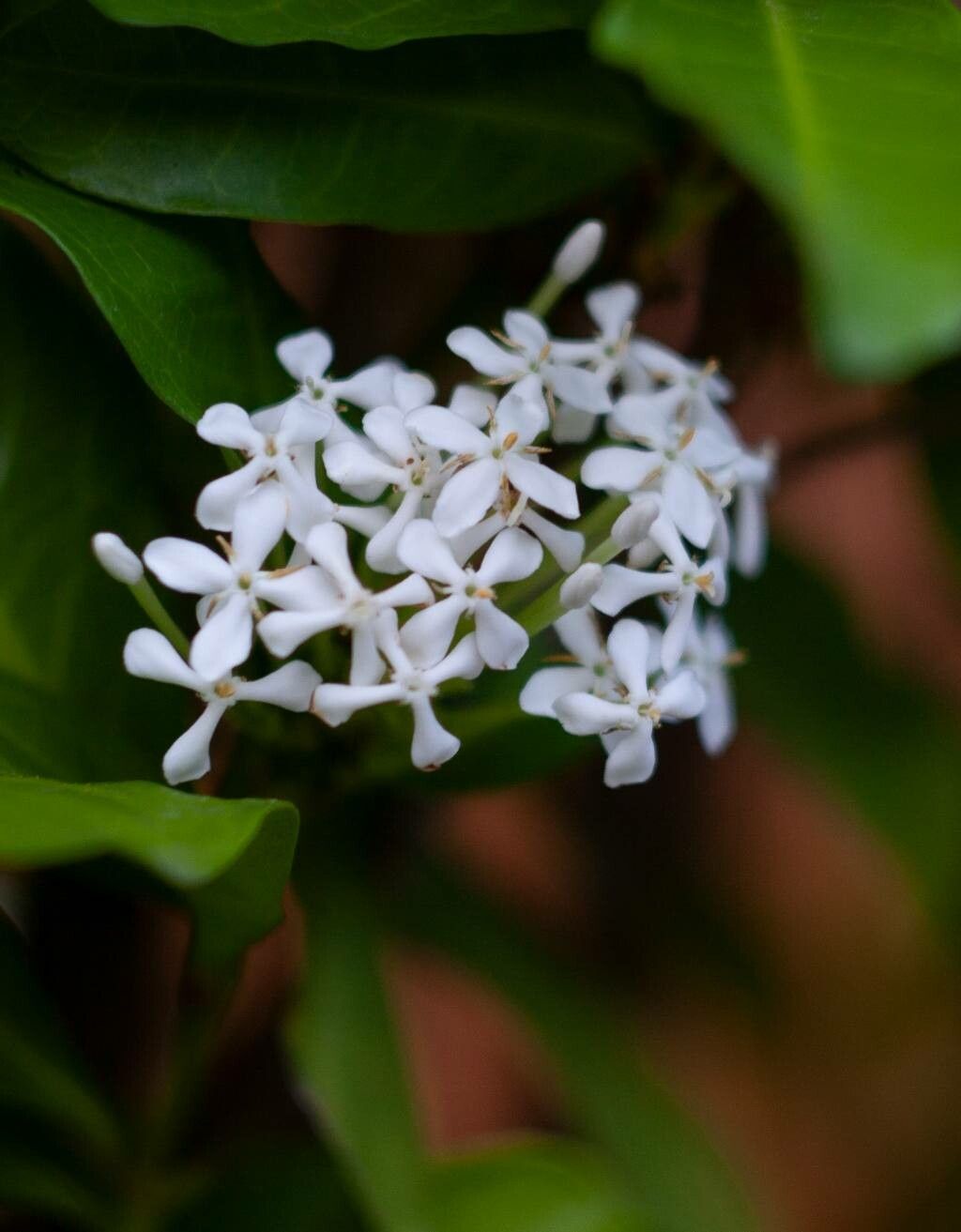
Ixora vieillardii, also known as the Small Ixora or Dwarf Ixora, is a captivating evergreen shrub prized for its profuse clusters of small, vibrant red flowers. Unlike its larger cousins, this compact variety remains relatively small, making it ideal for borders, containers, or even as a low hedge. Its dense foliage provides year-round interest, while the bright blooms attract pollinators and add a splash of colour to any garden. Its popularity stems from its ease of care and attractive appearance, but propagation can present some unique challenges.
Seed Germination
Currently, there are no known reliable methods for seed germination propagation of Ixora vieillardii. While some Ixora species produce viable seeds, Ixora vieillardii appears to have low seed viability or exhibits challenges in germination under typical horticultural conditions. Further research is needed to determine if specific pre-treatment techniques could improve germination rates.
Cuttings
Cuttings are the most commonly successful method for propagating Ixora vieillardii.
Challenges: Root development can be slow, and the success rate depends greatly on environmental conditions and the quality of the cutting. Using semi-hardwood cuttings (taken from new growth that has begun to lignify) generally yields better results.
Practical Tips: Take 4-6 inch cuttings from healthy, non-flowering stems. Remove lower leaves to prevent rot. Treat the cut end with a rooting hormone powder to encourage root formation. Plant the cuttings in a well-draining propagating mix (e.g., perlite and peat moss) and maintain consistently moist but not soggy conditions. High humidity levels, achieved through a humidity dome or regular misting, are beneficial. Place the cuttings in bright, indirect light.
Rewards: Cuttings offer a quick and efficient way to produce genetically identical plants. They maintain the desirable characteristics of the mother plant, ensuring uniformity in your garden.
Division
Division is a viable option for propagating Ixora vieillardii, but is limited by the plant’s size and growth habit.
Challenges: Successful division requires a mature, well-established plant with a robust root system. Dividing the plant too aggressively can severely stress, or even kill, the parent plant. Smaller divisions may be slower to establish.
Practical Tips: Divide the plant in spring or early summer. Carefully dig up the plant, avoiding damaging the roots. Separate the plant into several divisions, each with its own root system and several stems. Replant each division into well-prepared soil, ensuring adequate watering and root establishment.
Rewards: Division offers a simple way to increase the number of plants from a mature specimen. It is a relatively low-cost method compared to other propagation techniques.
Tissue Culture
Tissue culture is a technically demanding but highly efficient method for mass propagation of Ixora vieillardii.
Challenges: This method requires specialized equipment, sterile conditions, and expertise in plant tissue culture techniques. It’s generally a more costly and time-consuming approach than other methods.
Practical Tips: This process involves sterilizing plant material, culturing it in a nutrient-rich medium, and then transferring the plantlets to individual containers. Consult specialized literature and seek guidance from experienced tissue culture professionals.
Rewards: Tissue culture allows for large-scale propagation, producing many clones from a single plant. It can also be used to eliminate diseases and produce pathogen-free plants.
Conclusion
Propagating Ixora vieillardii presents specific challenges across all methods. While seed germination is currently not a reliable option, cuttings offer a practical approach for most gardeners, whereas division is suitable for mature plants. Tissue culture provides large-scale propagation potential but demands specialized skills and resources. The rewards—whether multiplying a favorite plant, creating uniformity in a garden design, or achieving the satisfaction of successful propagation—are worth the effort invested. The unique satisfaction of nurturing a tiny cutting or division into a thriving plant, blooming with vibrant red flowers, is a testament to the gardener’s patience and dedication. So embrace the challenge, choose the method that best suits your skills and resources, and enjoy the rewarding journey of propagating this captivating little shrub.