
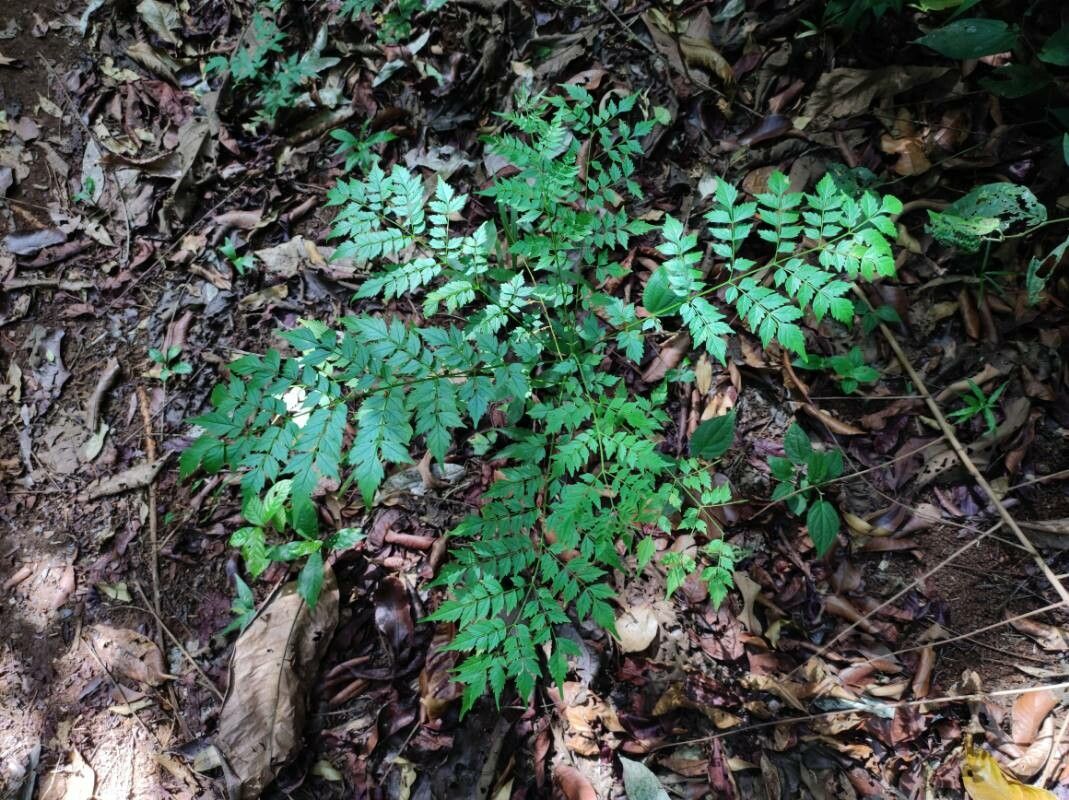
Planting Purple Dreams: Propagating the Jacaranda Copaia
The Jacaranda copaia, with its stunning display of purple-blue flowers, is a tropical beauty that can add a touch of exotic charm to any garden. But what if you want to share this wonder with others, or simply want to expand your own collection? Fortunately, propagating the Jacaranda copaia is a process that’s within reach of even beginner gardeners. Let’s dive into the world of Jacaranda propagation and discover the secrets to success.
Why Propagate?
Propagating your own Jacaranda copaia offers several benefits:
- Cost-effectiveness: Buying mature Jacaranda trees can be expensive. Propagation allows you to grow new trees from cuttings or seeds at a fraction of the cost.
- Customization: Selecting specific traits from a parent tree through propagation allows you to choose trees with ideal characteristics like flower color or growth habit.
- Preservation: Propagation ensures the continuation of your favorite Jacaranda varieties, especially rare or unique cultivars.
Methods of Propagation
Jacaranda copaia can be propagated using a few different methods:
- Pros: Relatively simple and readily available, seeds are often the easiest way to start new Jacaranda trees.
- Cons: Seedlings may not always inherit the exact traits of the parent tree, and germination rates can vary.
- Process:
- Collect ripened seed pods and extract the seeds.
- Sow the seeds in a well-draining seed-starting mix.
- Maintain a consistent temperature and moisture level.
- Once seedlings emerge, transplant them to individual pots.
2. Cuttings
- Pros: Cuttings retain the exact characteristics of the parent tree, ensuring the desired traits are passed down.
- Cons: Cuttings can be slightly more challenging to root than seeds and require specific conditions.
- Process:
- Take semi-hardwood cuttings (new growth, but not soft) from healthy branches.
- Dip the cut ends in rooting hormone to encourage root growth.
- Plant the cuttings in a rooting medium like perlite or vermiculite.
- Maintain high humidity and indirect sunlight, keeping the medium consistently moist.
3. Air Layering
- Pros: Offers a higher success rate than cuttings and allows for larger sections of the parent tree to be propagated.
- Cons: Requires a bit more time and involves manipulating the stem.
- Process:
- Select a healthy stem and remove a strip of bark around the stem.
- Apply rooting hormone to the exposed area and wrap with moist sphagnum moss.
- Seal the moss with plastic wrap to maintain moisture and encourage root formation.
- Once roots develop, cut the layered stem below the newly formed roots and pot it up.
Tips for Success
- Choose the right season: Jacaranda propagation is best done during spring or early summer when temperatures are warm and the plant is actively growing.
- Provide proper care: Ensure your cuttings, seedlings, or air-layered plants have adequate sunlight, warmth, and moisture.
- Patience: Propagation takes time. Be patient and don’t give up if you don’t see results immediately.
Conclusion
With a little knowledge and effort, propagating your own Jacaranda copaia is achievable and offers a rewarding experience. Whether you choose seeds, cuttings, or air layering, enjoy the process of growing these enchanting trees and witness the magic of purple blooms in your own garden! Remember, success comes with dedicated care and a touch of passion. So, roll up your sleeves, get your hands dirty, and plant your own purple dreams!