
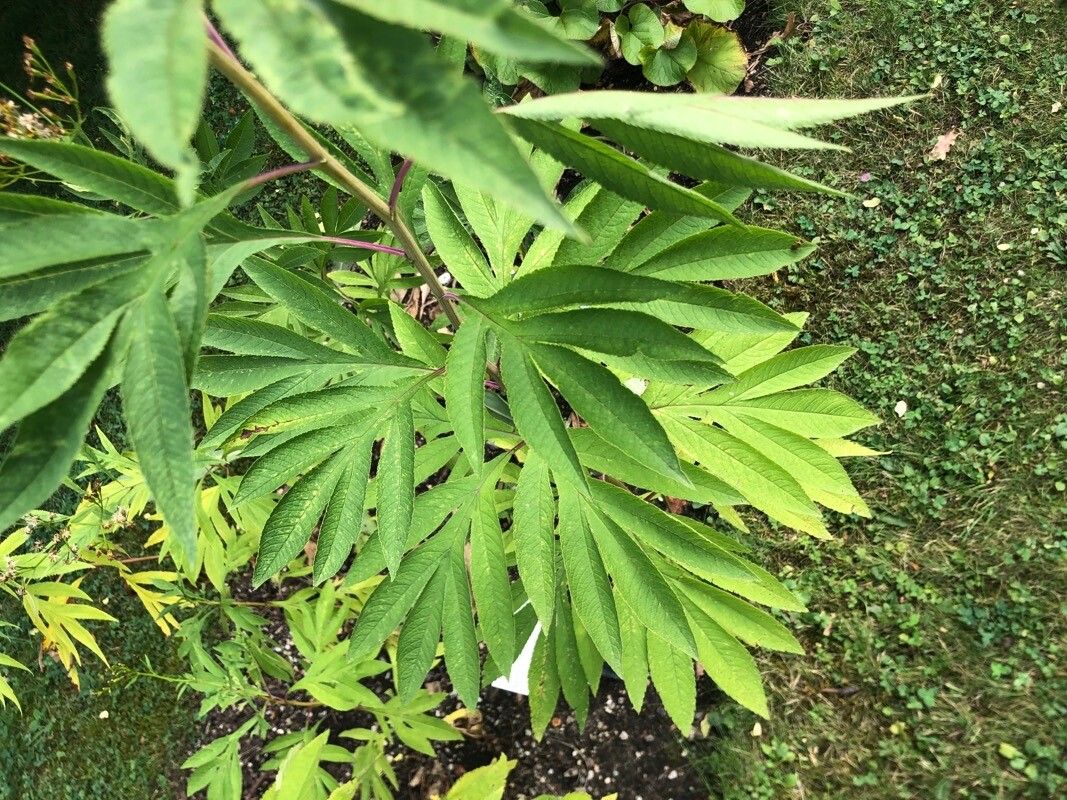
Propagating Jacobaea cannabifolia: A Gardener’s Guide to the Hemp-Leaved Ragwort
Jacobaea cannabifolia, also known as hemp-leaved ragwort, is a striking plant prized for its unusual, deeply dissected foliage resembling hemp leaves, and its attractive yellow flower heads. While not as widely popular as some other garden plants, its unique appearance and relative ease of propagation (through certain methods) make it a rewarding addition to any enthusiast’s collection. This article explores various propagation techniques for this intriguing species, weighing their challenges and rewards.
Seed Germination:
Currently, there are no known reliable methods for seed germination propagation of Jacobaea cannabifolia. While the plant does produce seeds, their germination rate is reportedly extremely low, even under optimal conditions. Further research into specific germination requirements may be necessary to unlock this propagation method.
Cuttings:
Cuttings offer a viable and relatively straightforward approach to propagating Jacobaea cannabifolia.
Challenges: The main challenge lies in achieving successful rooting. The cuttings can be prone to rot if not provided with the correct environment.
Practical Tips: Take semi-hardwood cuttings in late summer or early autumn. Use a sharp, clean knife or shears to avoid damaging the tissues. Dip the cut ends in a rooting hormone powder to stimulate root development. Plant the cuttings in a well-draining propagation mix, ensuring good air circulation to prevent fungal diseases. Maintain consistently moist (but not waterlogged) conditions and high humidity, ideally using a propagator or humidity dome.
Rewards: Cuttings offer a reliable method to create genetically identical copies of the parent plant, preserving desirable traits. It’s also relatively quick, with rooting usually occurring within several weeks.
Division:
Division is another effective method for propagating established Jacobaea cannabifolia plants.
Challenges: This method is only suitable for mature plants with well-developed root systems. Care must be taken to avoid damaging the roots during the division process.
Practical Tips: Divide the plant in early spring or autumn, when the plant is actively growing or becoming dormant. Dig up the entire plant carefully, separating the root clump into smaller sections, ensuring each division has its own healthy set of roots and shoots. Replant the divisions immediately into well-prepared soil, ensuring they receive adequate watering.
Rewards: Division provides a relatively simple way to quickly increase the number of plants, especially for larger specimens. It also allows for the rejuvenation of older plants that may have become overcrowded.
Tissue Culture:
Tissue culture is a technically advanced method that potentially allows for large-scale propagation of Jacobaea cannabifolia.
Challenges: This technique requires specialized equipment, sterile conditions, and expertise in plant tissue culture protocols. It’s a more costly and time-consuming method than cuttings or division. The development of appropriate protocols specifically for Jacobaea cannabifolia may require considerable research and experimentation.
Practical Tips: Sterile conditions are crucial. This includes using sterile media, tools, and a laminar flow hood. Specific media compositions and hormone concentrations will need to be optimized for successful shoot multiplication and rooting.
Rewards: Tissue culture could potentially produce a large number of disease-free plants from a small amount of starting material, offering possibilities for commercial propagation and conservation efforts.
Conclusion:
Propagating Jacobaea cannabifolia presents a spectrum of challenges and rewards depending on the chosen method. While seed propagation remains unreliable, cuttings and division offer accessible routes for the home gardener. Tissue culture presents a promising, albeit demanding, avenue for mass propagation. The unique satisfaction derived from successfully cultivating this plant stems from overcoming the specific challenges of each chosen propagation technique. The effort invested is undoubtedly rewarded by the striking presence of these distinctive plants in your garden, a testament to your horticultural prowess. Persistence, attention to detail, and a willingness to experiment are key to success – happy propagating!