
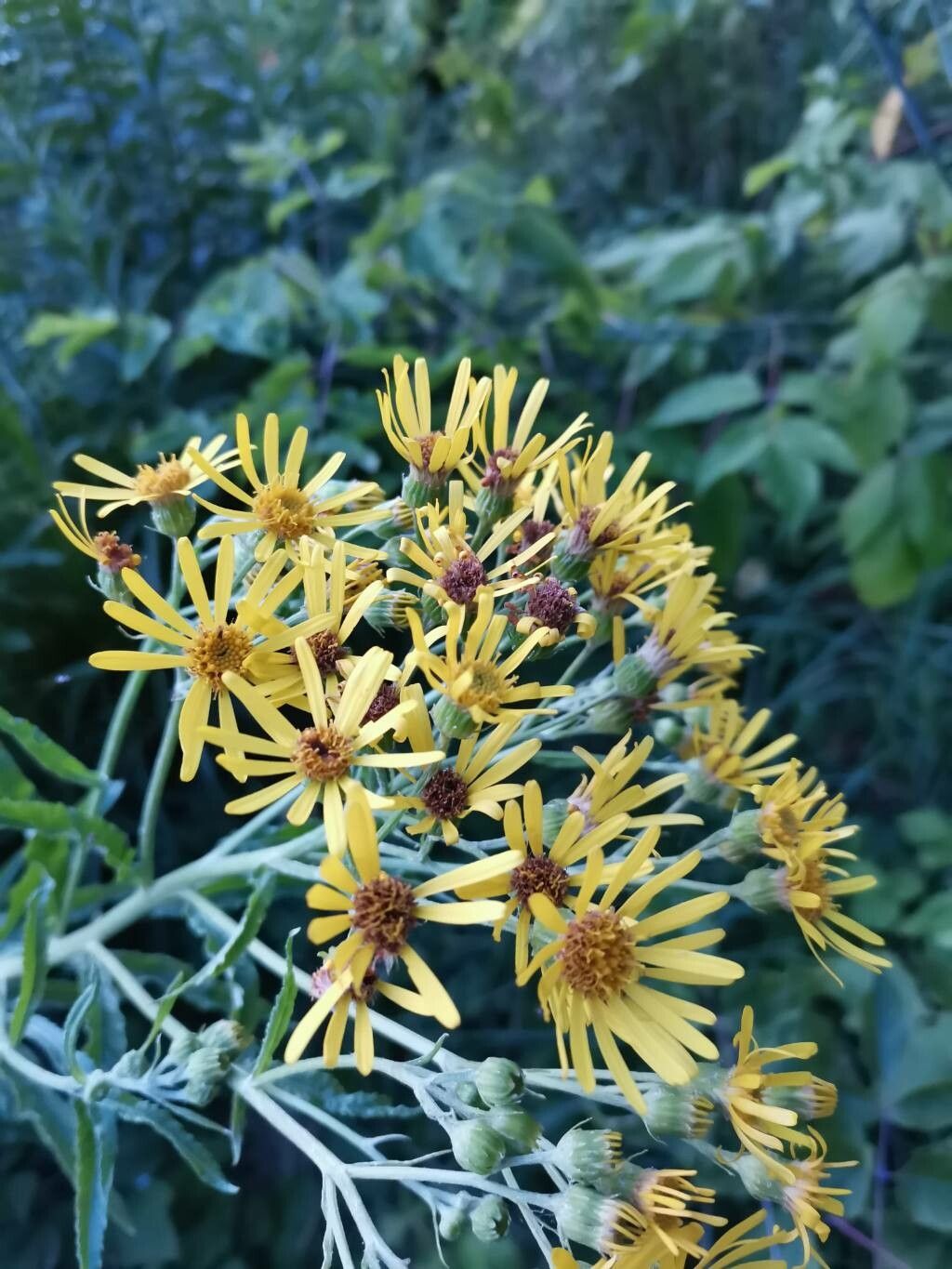
Propagating Marsh Ragwort (Jacobaea paludosa): A Gardener’s Guide
Introduction:
Jacobaea paludosa, commonly known as Marsh Ragwort, is a striking herbaceous perennial prized for its vibrant, golden-yellow flower heads and ferny, deeply dissected foliage. Its elegant form and late-summer bloom make it a popular choice among gardeners seeking late season color in damp, sunny locations. While not as widely cultivated as some other perennials, its unique aesthetic and adaptability to wet conditions add a distinctive element to any garden. However, propagation can present certain challenges, making successful cultivation all the more rewarding.
Seed Germination:
Currently, there are no known reliable methods for seed germination propagation of Jacobaea paludosa. While the plant does produce seeds, germination rates are notoriously low, and seedlings are often weak and slow to establish. Further research into specific germination requirements may be necessary to unlock this propagation pathway.
Cuttings:
- Challenges: Marsh Ragwort, being a herbaceous perennial, is relatively easy to propagate from softwood cuttings taken in spring or early summer. However, success depends on maintaining consistently high humidity and providing a suitable rooting medium. Rot can be a significant problem if cuttings are not properly aired.
- Practical Tips: Take cuttings of approximately 10-15cm, removing lower leaves to prevent rot. Dip the cut ends in a rooting hormone powder before planting in a well-draining compost mix, such as a peat-free blend with added perlite. Maintain high humidity using a propagator or by covering cuttings with a clear plastic bag. Ensure good ventilation to prevent fungal diseases. Keep the medium consistently moist but not waterlogged.
- Rewards: Cuttings offer a relatively straightforward method to increase the number of plants, preserving the characteristics of the mother plant. This method is ideal for smaller-scale propagation.
Division:
- Challenges: Division is a viable method for propagating established Jacobaea paludosa plants. However, it requires careful handling to avoid damaging the relatively fragile root system. The ideal time for division is in spring or early autumn.
- Practical Tips: Gently lift the entire plant from the ground. Carefully separate the crown into smaller divisions, each containing healthy roots and shoots. Replant each division in a suitable location with well-drained soil enriched with organic matter. Water thoroughly after planting.
- Rewards: Division allows for quick propagation of larger numbers of plants and also helps rejuvenate older, overcrowded clumps. It’s a more efficient method than cuttings for larger-scale increases of stock.
Tissue Culture:
- Challenges: Tissue culture propagation of Jacobaea paludosa is not commonly practiced and requires specialized knowledge and equipment. Establishing sterile conditions and developing optimized culture media are crucial for success. The potential for contamination and the initial setup costs are significant drawbacks.
- Practical Tips: Experienced propagation laboratories could potentially use this method, employing techniques such as shoot-tip culture or nodal culture. It’s highly challenging and requires specialized training and equipment and therefore not suitable for the home enthusiast.
- Rewards: Tissue culture offers the potential for large-scale propagation, producing disease-free plants and preserving genetic material, making it potentially useful for conservation purposes.
Conclusion:
Propagating Jacobaea paludosa presents unique challenges, with seed germination proving unreliable. However, cuttings and division offer accessible and reasonably effective methods for gardeners to increase their stock. Tissue culture, while offering significant potential, remains largely inaccessible for amateur gardeners. The rewards of successfully cultivating this attractive plant—whether from a carefully rooted cutting or a successfully divided crown – are made all the sweeter by the effort and determination involved. Ultimately, the choice of method depends on the gardener’s skill level, resources, and the scale of propagation desired. Don’t be discouraged by initial setbacks – with patience and persistence, even the most challenging propagation can lead to the satisfaction of a thriving Marsh Ragwort in your garden.