
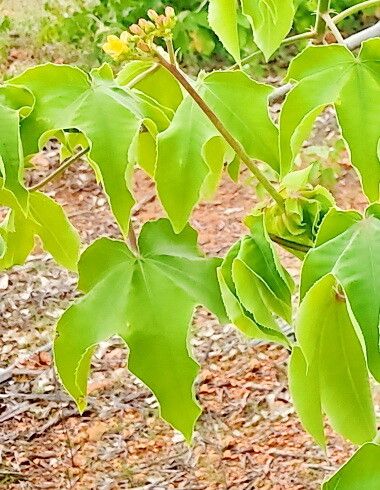
Unveiling the Secrets of Jatropha mollissima Propagation: From Seed to Stunner
Jatropha mollissima, with its whimsical, silver-dusted foliage and vibrant, coral-red blooms, is a showstopper in any garden. This drought-tolerant, sun-loving plant, also known as the Velvetleaf Jatropha, brings a touch of the exotic to landscapes while being surprisingly low-maintenance. But have you ever wondered how to propagate this beauty and share its magic with fellow plant enthusiasts? Look no further, for we’re about to delve into the fascinating world of Jatropha mollissima propagation, exploring its secrets from seed to thriving plant.
Two Paths to Propagation: Seed vs. Cuttings
Similar to many plant species, Jatropha mollissima offers two primary methods of propagation: seeds and stem cuttings. Each has its advantages and challenges, catering to different preferences and skill levels.
1. The Seed Route: Embracing Nature’s Lottery
Propagating Jatropha mollissima from seed is an adventure that allows you to witness the miracle of life firsthand.
- Collecting Seeds: The journey begins with obtaining viable seeds. After the vibrant red flowers fade, small, capsule-like fruits appear. Allow these to dry naturally on the plant, turning a brownish hue. Once fully dry, the capsules will split open, revealing small, black seeds.
- Sowing the Seeds: Plant the seeds in a well-draining seed-starting mix, burying them about half an inch deep. Keep the soil consistently moist but not waterlogged, and provide warmth (around 70-75°F) for optimal germination.
- Patience is Key: Germination can take anywhere from a few weeks to a couple of months, so don’t despair if you don’t see sprouts immediately.
While rewarding, seed propagation does have a couple of caveats. Firstly, finding viable seeds can be tricky. Secondly, plants grown from seeds may exhibit slight variations from the parent plant, adding an element of surprise to your gardening endeavors.
2. Stem Cuttings: Cloning Your Beloved Plant
If you prefer a quicker and more predictable method, propagating Jatropha mollissima from stem cuttings is the way to go.
- Timing is Everything: The best time to take cuttings is during the plant’s active growing season, typically spring or early summer.
- Making the Cut: Select healthy, non-flowering stems and use a sharp, clean knife or pruning shears to cut a 4-6 inch section just below a leaf node.
- Preparing the Cutting: Remove the lower leaves, leaving only a few at the top. You can dip the cut end in rooting hormone to encourage faster root development, although it’s not strictly necessary.
- Planting the Cutting: Plant the prepared cutting in a well-draining potting mix, ensuring that at least one leaf node is buried. Water lightly and maintain a humid environment.
- Rooting Takes Hold: Within a few weeks, your cutting should develop roots and show signs of new growth.
Propagating from cuttings allows you to create an exact replica of your desired plant, guaranteeing the same beautiful foliage and flower color.
Nurturing Your Jatropha Mollissima Progeny
Regardless of your chosen propagation method, young Jatropha mollissima plants require some TLC to thrive:
- Light: Place them in a bright location with indirect sunlight.
- Water: Water regularly, allowing the soil to dry slightly between waterings. Avoid overwatering, as this can lead to root rot.
- Fertilizer: Feed your plants with a balanced liquid fertilizer diluted to half strength every 4-6 weeks during the growing season.
By following these simple steps, you can successfully propagate your very own Jatropha mollissima plants, adding a touch of exotic beauty and resilience to your garden or home. So why not roll up your sleeves, embrace the joys of propagation, and watch in awe as these captivating plants flourish under your care?