
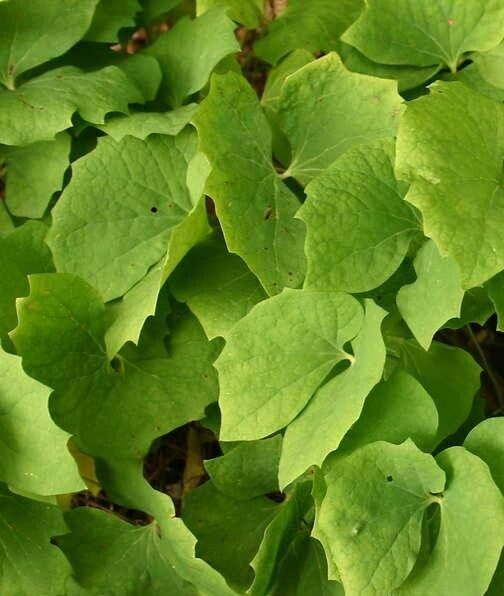
Propagating Twinleaf (Jeffersonia diphylla): A Gardener’s Challenge and Reward
Introduction:
Jeffersonia diphylla, commonly known as twinleaf, is a captivating woodland perennial prized for its delicate, two-lobed leaves and charming, nodding, white flowers that emerge in early spring before the leaves unfurl. Its understated elegance and preference for shade make it a sought-after addition to woodland gardens and shaded borders. However, its relatively slow growth and specific habitat requirements make propagation a somewhat challenging yet rewarding endeavor for the dedicated gardener. Unlike many readily multiplied plants, twinleaf presents unique hurdles in each propagation method.
Seed Germination:
Seed germination for Jeffersonia diphylla is viable, but presents significant challenges. The seeds require a period of cold stratification, mimicking the natural winter conditions they experience in their native environment. This process typically involves sowing seeds in a well-drained mix (e.g., peat moss and perlite), stratifying them in a refrigerator at 3-5°C (37-41°F) for 3-4 months, and then moving them to a cool, moist environment (around 15-20°C, 59-68°F) to germinate. The germination rate is often quite low, and seedlings are extremely slow-growing.
Challenges: Low germination rate, slow seedling development.
Tips: Thorough stratification is crucial, use a well-draining sowing mix, maintain consistent moisture (but avoid overwatering), and be patient.
Rewards: Genetic diversity within your plants, potential for scaling up propagation for conservation or larger plantings.
Cuttings:
Currently, there are no known reliable methods for propagation of Jeffersonia diphylla from cuttings. Stem cuttings, leaf-bud cuttings, and root cuttings have all been attempted with limited or no success. The plant’s physiology appears to make it recalcitrant to vegetative propagation through cuttings.
Division:
Division is the most reliable and practical method for propagating Jeffersonia diphylla. Mature plants, after several years of growth, can be carefully divided in early spring or late autumn. The key is to ensure each division possesses a healthy portion of rhizome and roots.
Challenges: Requires mature, established plants, may disturb the existing plant, requires careful handling to avoid damage.
Tips: Use a sharp, clean tool to divide the rhizome; handle the roots gently; replant divisions immediately in a suitable location and provide consistent moisture.
Rewards: Faster establishment than from seed, maintains the genetic characteristics of the parent plant, enables relatively straightforward propagation.
Tissue Culture:
While tissue culture techniques could theoretically be used to propagate Jeffersonia diphylla, this method requires specialized equipment, sterile conditions, and significant horticultural expertise. It is not a practical method for the home gardener.
Challenges: High initial cost of equipment and materials, requires specialist skills and knowledge, potential for contamination.
Tips: This method is best left to professional plant nurseries or research facilities.
Rewards: Potential for mass propagation, disease-free plantlets, faster multiplication.
Conclusion:
Propagating Jeffersonia diphylla presents unique challenges across all methods. While seed germination offers genetic diversity but requires significant patience and may have low success rates, division offers the most straightforward and reliable approach for the home gardener. Cuttings and tissue culture are currently not practical solutions. However, the reward of successfully nurturing these slow-growing plants through any of these methods is immense, offering a sense of accomplishment that transcends the challenges encountered. The fragile beauty and quiet elegance of the twinleaf more than compensate for the effort invested, making its cultivation a deeply satisfying experience for any dedicated plant enthusiast. To aspiring propagators, we advise patience, diligence, careful observation, and a deep respect for the specific needs of this captivating woodland treasure.