
Cracking the Code: How to Propagate the Majestic California Black Walnut
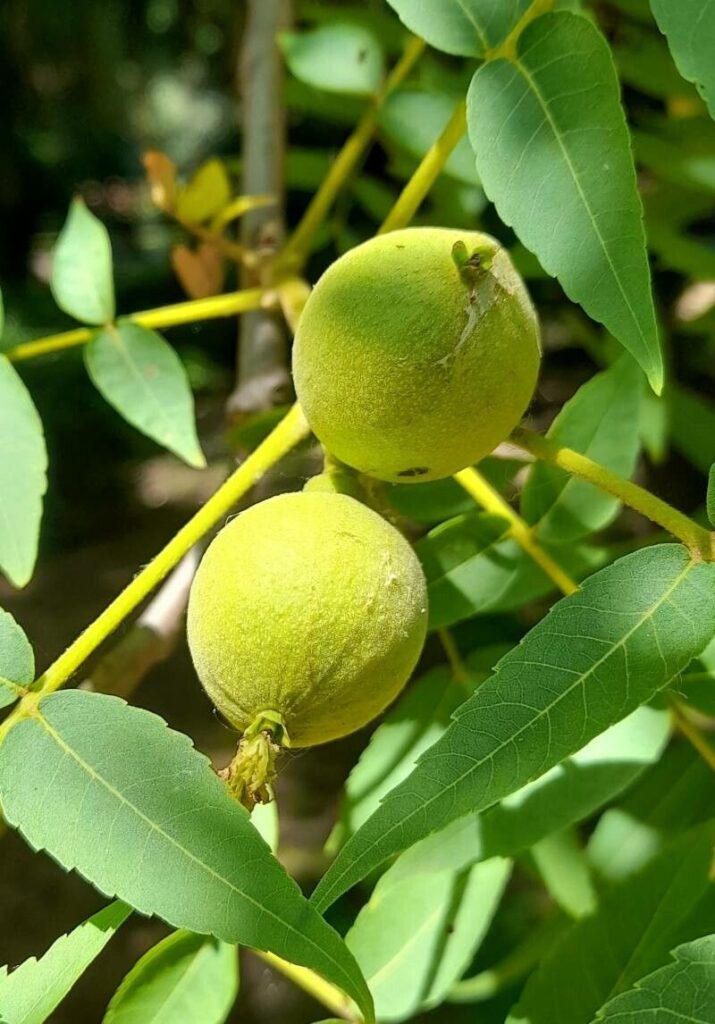
The California black walnut (Juglans californica), a majestic tree native to California, adds a touch of wild beauty and valuable shade to any landscape. If you dream of having this iconic California native grace your garden, you might be wondering about the best way to propagate it. While it might seem intimidating, successfully growing California black walnut trees from scratch is a satisfying endeavor achievable for any plant enthusiast.
This article dives into the two most common methods of propagating the California black walnut:
1. The Direct Approach: Propagating from Seed
The most straightforward method for propagating a California black walnut is from its distinctive, green-husked walnuts. Here’s how:
- Harvesting: Collect mature walnuts in the fall when they fall to the ground. Remove the outer husk by hand or by gently stepping on the fruits.
- Cleaning and Stratification: Clean the collected nuts and store them in a mesh bag with moist sand or peat moss in your refrigerator (around 40°F) for 60-90 days. This process, called stratification, mimics natural winter conditions and encourages germination.
- Planting: Sow the stratified nuts directly outdoors in late fall or early spring. Choose a sunny or partially shaded location with well-drained soil. Plant the nuts 2-3 inches deep and water well.
- Patience is Key: Germination can take several months, so don’t be discouraged if you don’t see sprouts right away.
2. A More Involved Approach: Propagation from Cuttings
Propagating from hardwood cuttings can be a bit trickier but offers a faster route to a mature tree:
- Timing is Everything: Take cuttings in late fall or winter when the tree is dormant.
- Selecting the Right Wood: Look for healthy, one-year-old shoots with a diameter of 1/4 to 1/2 inch.
- Preparing the Cuttings: Cut the shoots into 6-8 inch sections, making sure each cutting has at least two nodes (bumps on the stem where leaves emerge).
- The Rooting Hormone Boost: Dip the cut end of each section into rooting hormone powder to encourage root development.
- Planting the Cuttings: Plant the cuttings in a pot filled with a well-draining potting mix. Make sure at least two nodes are below the soil surface.
- Creating a Humid Environment: Place the pot in a humid environment, like a covered seed starting tray or under a plastic bag, and put it in a warm location out of direct sunlight.
- Waiting for Roots: Depending on the conditions, roots can take several weeks to develop. Once roots form and new growth emerges, you can transplant the cuttings into individual pots.
Nurturing Your California Black Walnut Saplings:
Regardless of the propagation method you choose, young California black walnut trees need adequate water, especially during their first few years. Ensure the soil stays consistently moist but avoid overwatering to prevent root rot. Once established, these trees are relatively drought-tolerant.
A Final Word:
Propagating your own California black walnut is a rewarding experience that connects you with nature and provides a lifelong source of enjoyment. While it requires some patience and care, the process itself is fairly straightforward.
So, are you ready to embark on this rewarding journey? With a little effort, you can soon be enjoying the beauty and bounty of this magnificent California native in your own backyard.