
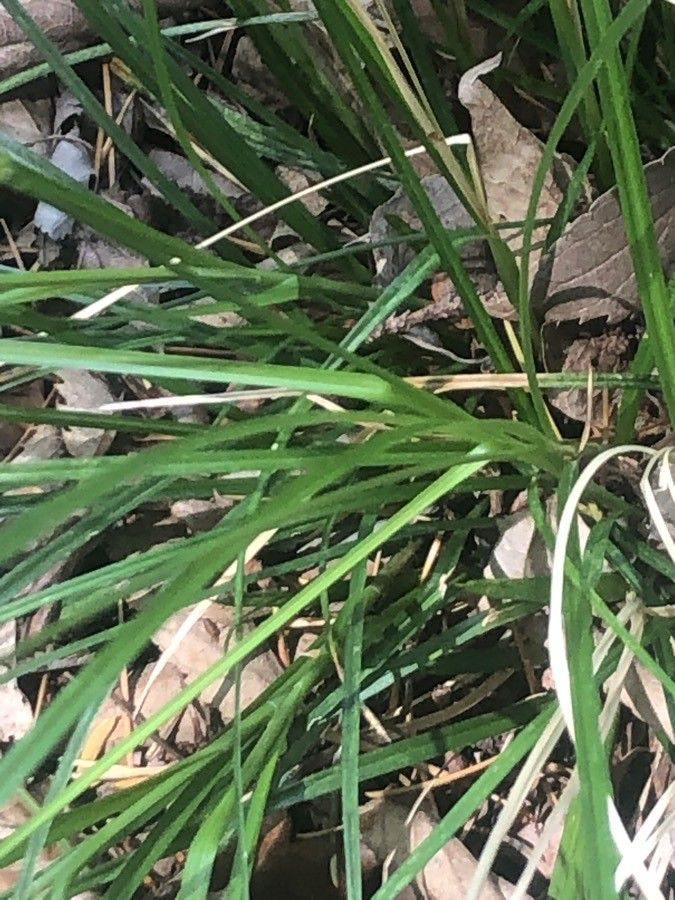
From Seed to Shore: Propagating the Resilient Juncus Balticus
Juncus balticus, also known as Baltic Rush, is a tough, adaptable plant that thrives in a variety of challenging environments. Whether you’re looking to add a touch of natural beauty to your water garden or create a sustainable coastal landscape, this resilient grass-like plant is an excellent choice. But how can you ensure a steady supply of Juncus balticus for your gardening needs? The answer lies in propagation.
Unlike some delicate blooms, propagating Juncus balticus is a relatively straightforward process that can be tackled by even novice gardeners. Let’s explore the two main methods:
1. Seed Propagation:
While patience is key for this method, seed propagation is an excellent way to increase your stock of Juncus balticus. Here’s a breakdown:
- Harvesting Seeds: Look for mature seed heads on your existing Juncus balticus plants. They’ll appear brown and slightly withered. Gently collect the seeds into a paper bag.
- Preparing the Seed Bed: Choose a well-drained, moist area with full sun or partial shade. A small container, pot, or a designated section of your garden bed will suffice.
- Sowing Seeds: Lightly sprinkle the seeds onto the prepared bed, spacing them evenly. Lightly cover them with a thin layer of soil or sand.
- Watering and Care: Keep the seed bed consistently moist, but avoid soaking it. Within a couple of weeks, you should see tiny sprouts emerging. Once the seedlings have developed a few leaves, they can be thinned out to give them space to grow.
This method is faster and more immediate than seed propagation. Here’s how it works:
- Choosing the Right Time: Early spring or late summer are ideal times for dividing Juncus balticus.
- Preparing the Plant: Gently dig around the base of the plant to loosen the roots.
- Separating the Clumps: Carefully divide the plant into smaller clumps, each containing healthy roots and leaves.
- Planting the Divisions: Prepare new planting holes that are slightly larger than the root ball. Place the divided clumps in the holes, ensuring the roots are spread out properly. Cover with soil and water thoroughly.
Factors to Consider for Successful Propagation:
- Sunlight: Juncus balticus thrives in full sun to partial shade. The amount of sunlight your plants receive plays a vital role in their growth and development.
- Watering: Ensure the soil stays consistently moist, especially during the initial growth stages. However, avoid overwatering, which can lead to root rot.
- Soil: Opt for a well-drained soil that retains moisture. This will allow the roots to breathe and thrive.
- Fertilizer: Juncus balticus is not a heavy feeder, but a light application of balanced fertilizer in early spring can boost growth.
Conclusion:
Whether you choose seed propagation or division, growing Juncus balticus is a rewarding experience. With its beautiful texture, low maintenance requirements, and adaptability, this resilient plant is sure to find a place in any garden. So, why not give it a try? You’ll soon witness the magic of propagation firsthand and enjoy the beauty of this remarkable plant for years to come.