
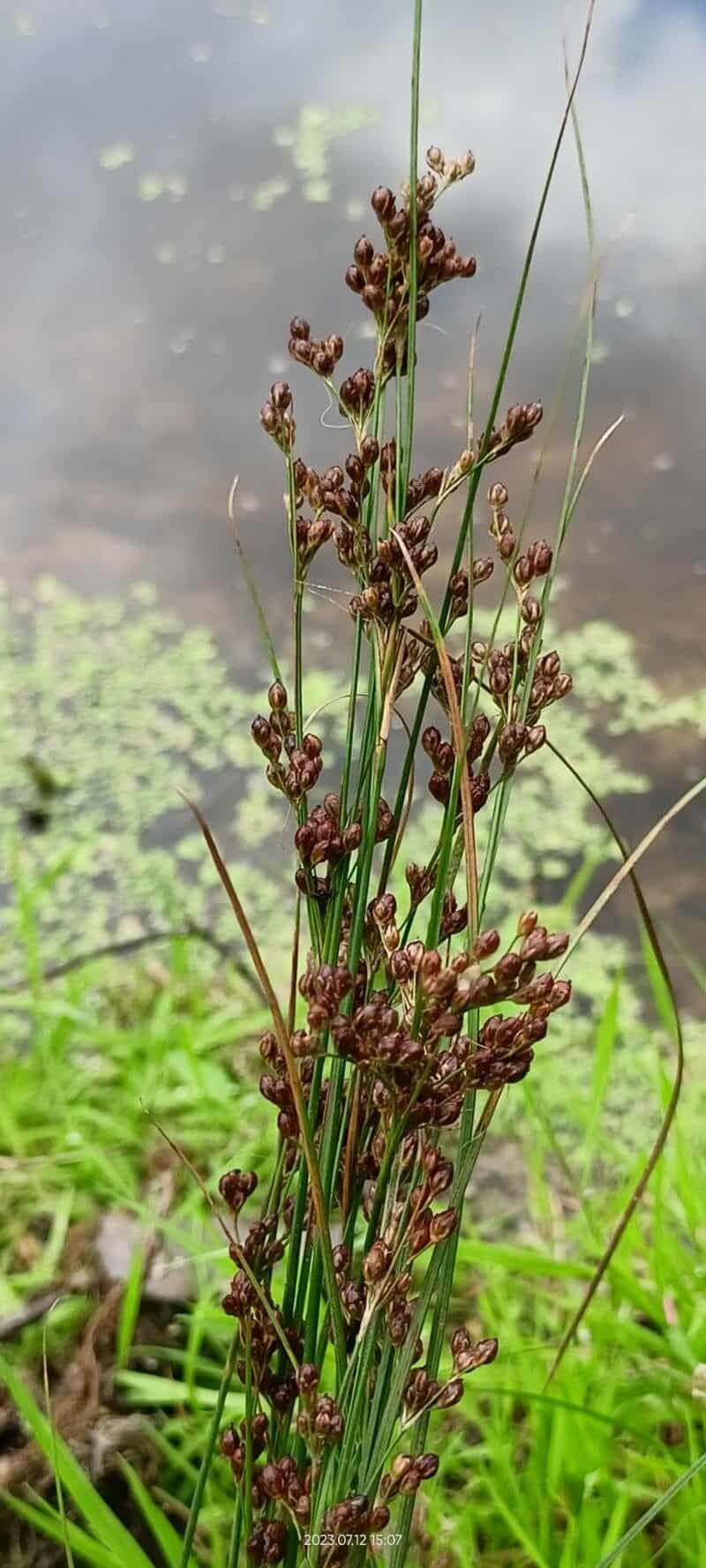
Doubling Down on Density: Propagating the Versatile Juncus Compressus
Juncus compressus, also known as Roundfruit Rush or Compact Rush, is a grass-like plant appreciated for its subtle beauty and hardiness. This adaptable plant thrives in damp environments and adds a touch of understated elegance to water features, bog gardens, and even container arrangements. While readily available at many nurseries, there’s a certain satisfaction in propagating your own Juncus compressus – and it’s easier than you might think!
Two Roads to Rush Propagation
Juncus compressus can be propagated through two main methods: division and seed. Both have their advantages, and the method you choose will depend on your resources and desired outcome.
1. The Division Solution: The Go-To for Established Plants
For those with an existing Juncus compressus plant, division is the easiest and quickest propagation method. This method involves splitting a mature plant into smaller sections, each capable of developing into a new, independent plant. Here’s how:
- Time it Right: Spring is the ideal time for division, just as the plant begins its active growth period.
- Dig Deep: Carefully dig up the entire clump of Juncus compressus, ensuring you get as much of the root system as possible.
- Divide and Conquer: Using your hands or a sharp, clean knife, carefully separate the plant into smaller sections. Aim for divisions with a good chunk of roots and at least a few healthy shoots.
- Replant and Rejoice: Replant your divisions in their new homes, ensuring the soil is consistently moist. Water thoroughly and watch your new Juncus compressus plants flourish!
2. Seed Starting: A Journey of Patience and Reward
Starting Juncus compressus from seed is a more time-consuming endeavor, but it offers a unique sense of accomplishment:
- Source Your Seeds: You can collect seeds from existing plants or purchase them from a reputable supplier.
- Embrace the Stratification: Juncus compressus seeds benefit from a period of cold stratification. To do this, mix the seeds with damp vermiculite or sand and store them in the refrigerator for 4-6 weeks.
- Sow with Care: Sow the stratified seeds on the surface of a moist seed-starting mix. Do not bury them – they need light to germinate.
- Patience is Key: Germination can take anywhere from a few weeks to a few months. Keep the soil consistently moist, and provide bright, indirect light.
- Transplant Triumph: Once the seedlings have developed a strong root system and several sets of true leaves, you can transplant them to their final growing locations.
Optimal Growing Conditions for Your Propagated Beauties
Regardless of your chosen propagation method, providing the right environment is key to success:
- Sun and Shade: Juncus compressus tolerates full sun to partial shade.
- Moisture is a Must: Consistent moisture is crucial, especially during establishment. Consider planting in a bog garden, near a water feature, or amend the soil with water-retaining materials.
- Feeding Frenzy? Not Quite: This low-maintenance plant rarely needs fertilizer.
Propagating your Juncus compressus is a rewarding experience that allows you to expand your plant collection while enjoying the unique beauty this versatile plant offers. By following these simple tips, you’ll soon be well on your way to creating a lush and vibrant display with this hardy and attractive rush.