
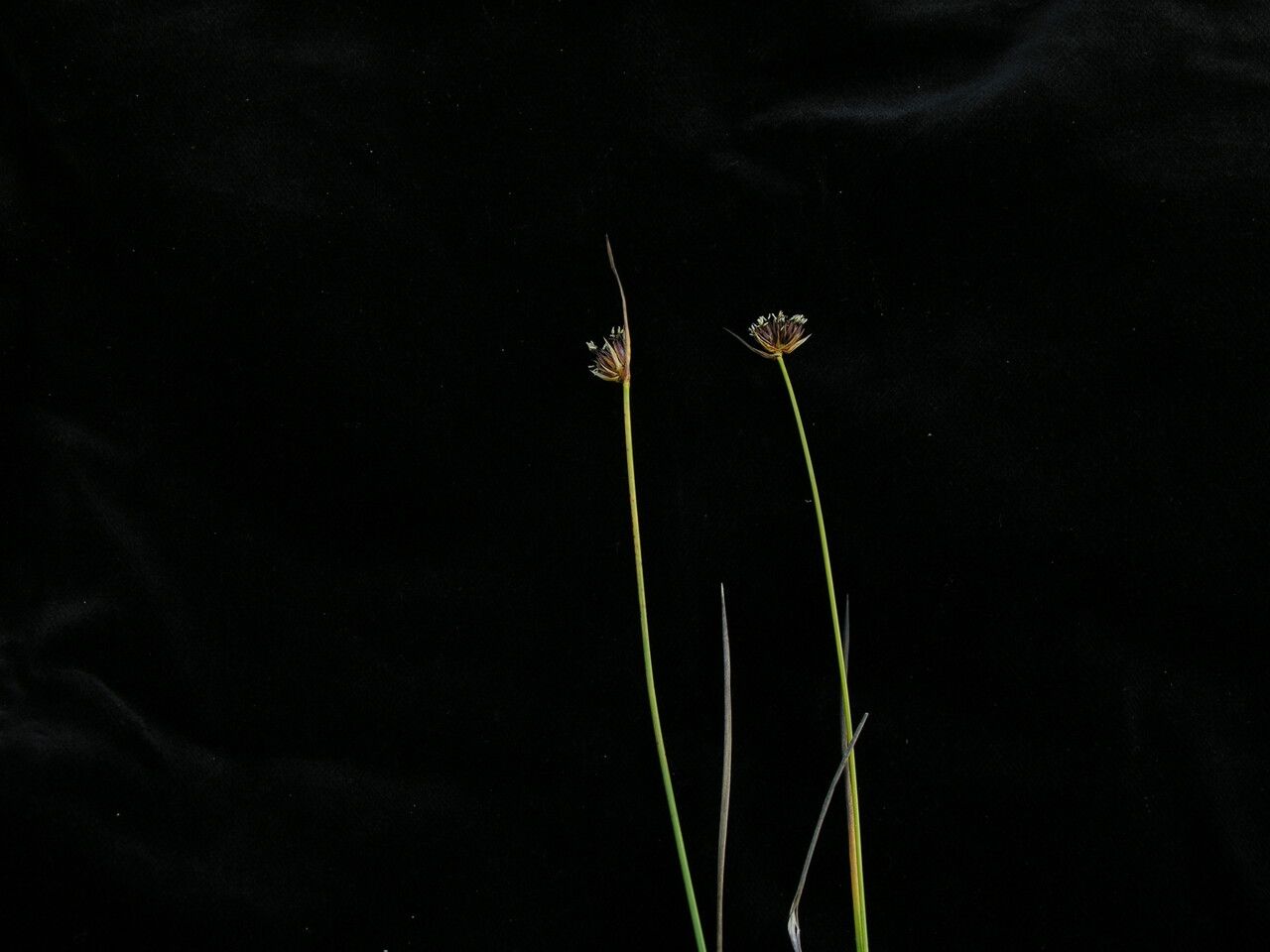
Propagating Juncus kingii: Cultivating the King’s Rush
Introduction:
Juncus kingii, commonly known as King’s Rush or simply King Rush, is a striking ornamental grass prized for its elegant, upright form and vibrant green foliage. Its fine textured leaves create a soft, almost feathery appearance, making it a popular addition to water gardens, bog gardens, and even contemporary landscape designs. Its relative ease of care in moist conditions contributes to its popularity, but propagating this beauty presents unique challenges. While readily available commercially, propagating Juncus kingii offers a rewarding experience for those willing to invest the time and effort. Unlike many rushes which spread readily, Juncus kingii exhibits slower rates of natural propagation which adds to the interest in its cultivation.
Seed Germination:
Currently, there are no known reliable methods for seed germination propagation of Juncus kingii. While the plant does produce seeds, germination rates are reported to be extremely low, and successful cultivation from seed remains elusive to most horticulturalists. Further research into specific seed treatment or germination conditions may be needed to unlock this propagation method.
Cuttings:
Cuttings present a more feasible, albeit still challenging, method for propagating Juncus kingii.
Challenges: Root development from stem cuttings is slow and unpredictable. The success rate depends heavily on maintaining consistently high humidity and optimal moisture levels within the rooting medium.
Practical Tips: Take cuttings of approximately 10-15 cm from healthy, actively growing stems in spring or early summer. Remove lower leaves to prevent rotting. Dip the cut ends in rooting hormone, then plant them in a well-draining mix containing peat moss, perlite, and vermiculite. Maintain high humidity using a propagation dome or plastic covering. Mist regularly to keep the medium moist but not waterlogged. Bottom heat can also aid in rooting.
Rewards: Successful rooting produces genetically identical plants, maintaining the desirable traits of the mother plant. This method is suitable for smaller-scale propagation to increase the number of existing plants.
Division:
Division is arguably the most reliable method for propagating Juncus kingii.
Challenges: Requires an established, mature plant. Care must be taken during the division process to avoid damaging the delicate root system. Divided clumps must be replanted promptly to minimize stress.
Practical Tips: Divide the clump during the dormant season (late autumn or early spring) using a sharp, clean spade or knife. Ensure each division has a healthy portion of roots and several shoots. Plant the divisions in moist, well-drained soil, spacing them according to the mature size of the plant. Water thoroughly after planting.
Rewards: Division provides a relatively quick way to increase plant numbers and is quite reliable compared to other methods.
Tissue Culture:
Tissue culture provides a potential method for large-scale propagation of Juncus kingii, but it requires specialized equipment and expertise.
Challenges: Establishing sterile conditions to prevent contamination is critical. Optimizing the growth medium and hormonal balances for optimal shoot and root development is complex and requires repeated experimentation. This method is cost-prohibitive for most home gardeners.
Practical Tips: It will be necessary to consult specialized literature on tissue culture and follow protocols specific to Juncus spp.
Rewards: Tissue culture provides the potential for rapid and large-scale propagation, enabling faster development and broader distribution of desirable cultivars.
Conclusion:
Propagating Juncus kingii presents several hurdles, with seed germination proving unreliable. Division offers the highest success rate for the home gardener, while cuttings provide a moderately reliable alternative. Tissue culture remains a method suited for professional propagation. The rewards, however, outweigh the challenges. The satisfaction of successfully growing this elegant rush from a cutting or division is immense, representing a triumph over the inherent difficulties and a testament to the grower’s skill and patience. For those embarking on this endeavor, patience, attention to detail, and a thorough understanding of the plant’s needs are essential ingredients for success. Don’t be discouraged by initial setbacks – the beauty and elegance of a successfully propagated Juncus kingii are well worth the effort.