
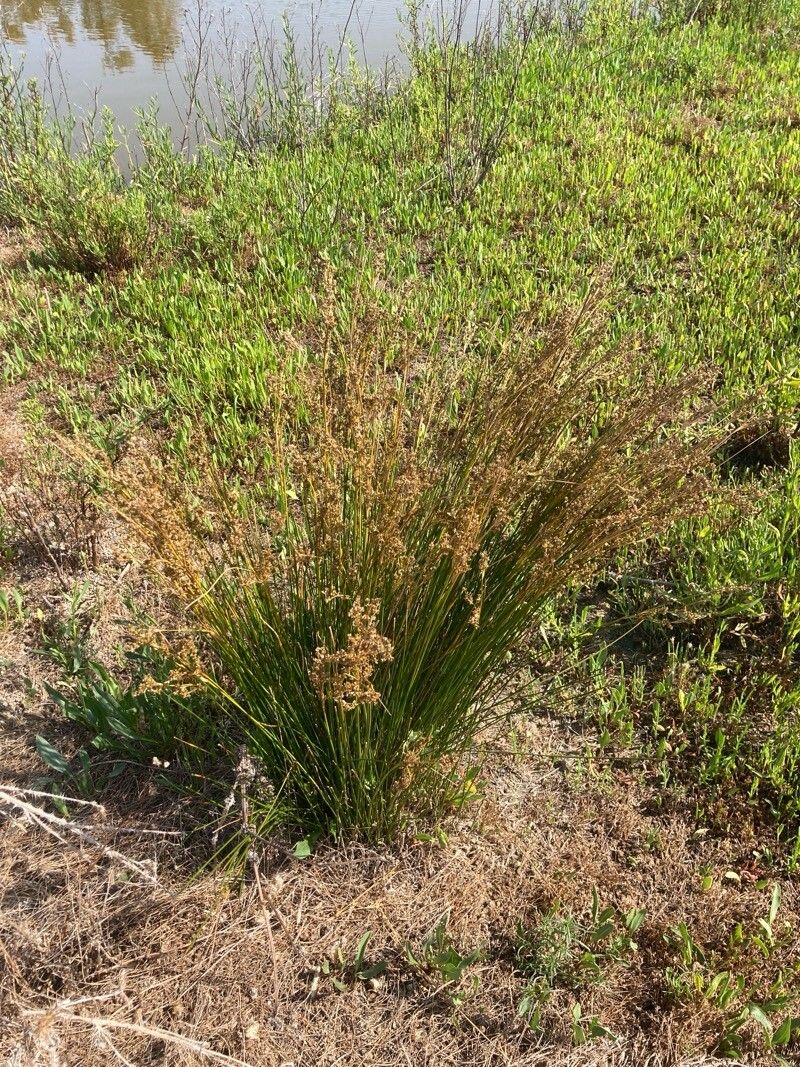
Taming the Tide: Propagating Sea Rush (Juncus maritimus) at Home
The Sea Rush (Juncus maritimus), with its distinctive spiky form and resilience to harsh coastal conditions, offers a unique aesthetic to any garden. While its tolerance for salt spray and damp soils makes it a natural choice for coastal landscaping, don’t be fooled into thinking this plant is only for seaside gardens. With the right approach, propagating Sea Rush at home is an achievable endeavor, even for inland gardeners.
Understanding the Rush
Before diving into propagation, it’s helpful to understand the plant itself. Juncus maritimus is a perennial grass-like plant belonging to the rush family. It typically grows in dense clumps, reaching heights of 2-4 feet, and boasts stiff, cylindrical stems topped with brownish flower clusters in the summer. Their unique look adds architectural interest and texture to gardens, making them a fascinating alternative to traditional ornamental grasses.
Propagation Methods: Division vs. Seed
Propagating Sea Rush can be done in two primary ways:
1. Division: This method is the most straightforward and generally yields faster results. It involves digging up an established clump in early spring or fall and carefully dividing it into smaller sections, each with a healthy root system. These divisions can then be replanted directly into their desired locations.
2. Seed: While slightly more time-consuming, growing Sea Rush from seed offers a rewarding challenge. Collect seeds from dried flower heads in late summer or fall. Sow the seeds in a seed tray filled with a well-draining seed starting mix. Lightly cover the seeds and keep the soil consistently moist. Once seedlings are large enough to handle, transplant them into individual pots and grow them on until they are robust enough to plant out in the garden.
Caring for Your New Sea Rush Plants
Regardless of your chosen propagation method, providing the right growing conditions is crucial for success:
- Sunlight: Sea Rush thrives in full sun to partial shade.
- Soil: While tolerant of various soil types, well-drained soil is essential to prevent root rot. A slightly acidic to neutral pH is ideal.
- Moisture: Although adaptable, Sea Rush prefers moist but not waterlogged soil. Regular watering, especially during dry spells, is important, but ensure good drainage.
- Fertilizer: Sea Rush is generally low-maintenance and doesn’t require heavy fertilization. However, amending the soil with compost during planting can provide beneficial nutrients.
Integrating Sea Rush into Your Landscape
Sea Rush offers remarkable versatility in garden design:
- Coastal gardens: Its salt tolerance makes it a natural fit for seaside landscaping, where it can be used in borders, rock gardens, or even as a low-maintenance lawn alternative.
- Rain gardens: Thanks to its water-loving nature, Sea Rush thrives in rain gardens, helping to manage stormwater runoff.
- Wildlife gardens: The dense growth habit of Sea Rush provides shelter and nesting habitat for various beneficial insects and small wildlife.
Propagating and growing Sea Rush at home is an attainable goal. By understanding its needs and implementing the right techniques, you can introduce this unique, hardy, and visually appealing plant to your landscape, whether you live by the coast or miles inland. So, embrace the challenge and add a touch of maritime charm to your garden with the intriguing Sea Rush!