
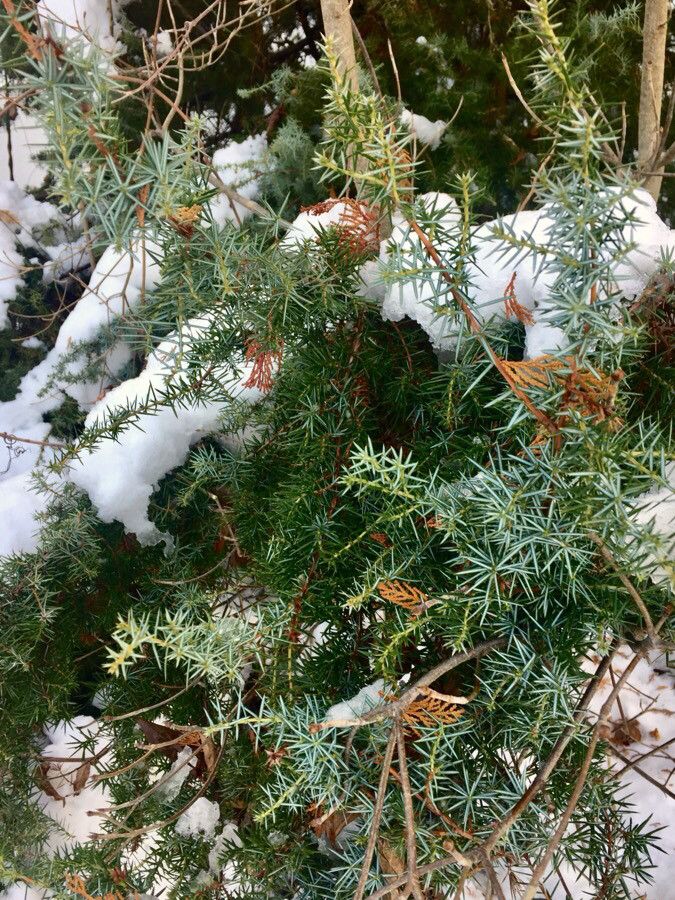
From Seed to Success: Propagating Your Own Juniper (Juniperus communis)
The common juniper (Juniperus communis), a hardy and versatile evergreen, is a popular choice for landscapes, hedges, and even bonsai. While purchasing a mature plant is an option, there’s a unique satisfaction in starting your own from scratch. Propagating juniper is a rewarding process, allowing you to expand your garden or share these resilient beauties with friends and family.
Two Common Methods: Seeds & Cuttings
Juniper propagation can be achieved through two primary methods:
- Seed Propagation: This method involves sowing seeds collected from ripe berries. It’s a slow and patient process, but it allows you to grow numerous plants from a single berry harvest.
- Cuttings: Taking cuttings from existing juniper plants is a faster and generally more successful method for propagation. This involves snipping healthy stems and encouraging them to develop roots.
Let’s Dive into the Details:
1. Seed Propagation:
- Harvesting Seeds: Collect mature, dark blue juniper berries in late summer or early fall. Allow them to soften and ferment slightly, then extract the seeds.
- Stratification: Juniper seeds are dormant and require a period of cold stratification before germination. Mix the seeds with moist sand or peat moss, place them in a sealed container, and refrigerate for 3-4 months.
- Sowing: After stratification, sow the seeds in a well-drained seed starting mix. Keep the soil consistently moist and provide bright, indirect light. Germination can take several weeks or even months.
2. Cutting Propagation:
- Timing: The best time to take cuttings is in late summer or early fall. Ensure the parent plant is healthy and vigorous.
- Cuttings: Select semi-hardwood cuttings, which are stems with some degree of maturity. Make a clean cut just below a node (where leaves grow).
- Preparation: Remove the bottom leaves and apply rooting hormone to the cut ends.
- Planting: Insert the cuttings into a rooting medium (a mixture of peat moss, perlite, and vermiculite) and place them under a grow dome or humidity tent to maintain high humidity.
- Care: Keep the cuttings moist and provide indirect light. Roots typically develop within 4-8 weeks.
Tips for Success:
- Sterilization: Always sterilize tools, pots, and rooting media to prevent disease.
- Drainage: Juniper seedlings and cuttings need well-draining soil to prevent root rot.
- Patience: Propagation requires patience and consistent care. Don’t get discouraged if results don’t appear immediately.
Beyond the Basics:
- Variety Selection: Choose juniper varieties that thrive in your local climate.
- Hardiness: Ensure the juniper species you choose is hardy enough for your region.
- Growth Habit: Consider the mature size and shape of the juniper when selecting a variety for your garden.
Enjoy the Journey!
Propagating juniper, whether from seed or cuttings, is a rewarding endeavor. It allows you to expand your green thumb while creating unique and beautiful additions to your landscape. Be patient, persistent, and enjoy the journey of witnessing these resilient evergreens grow from a tiny seed or a small cutting into thriving plants!