
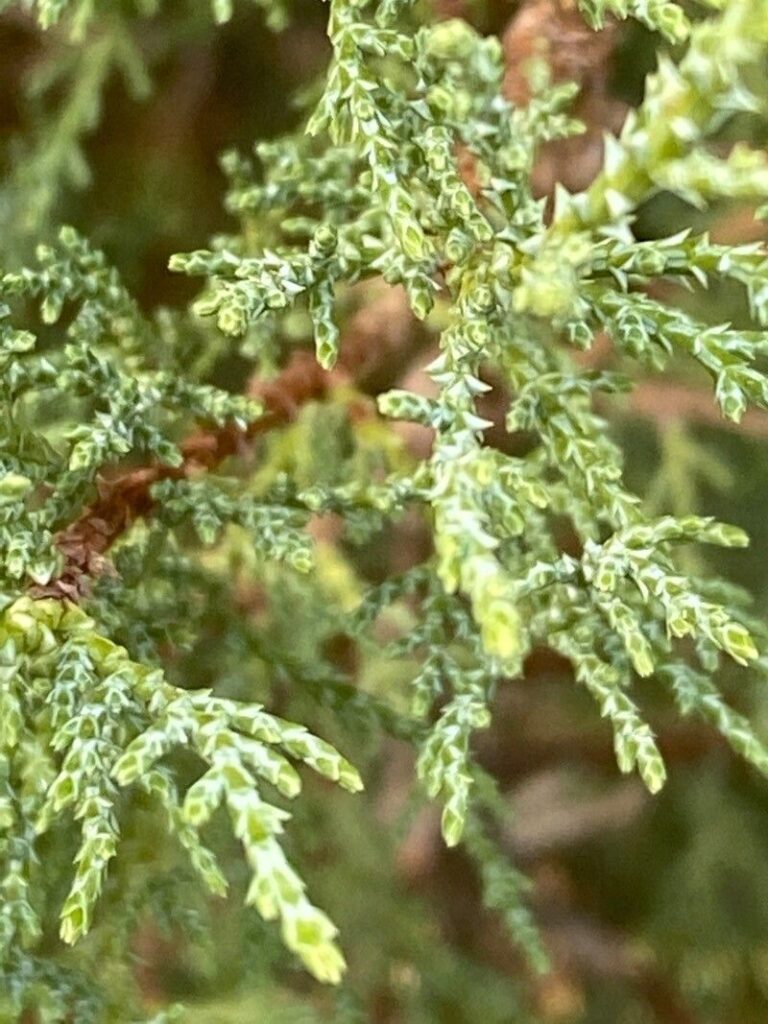
Reaching New Heights: Propagating the Majestic Greek Juniper (Juniperus excelsa)
The Greek Juniper, Juniperus excelsa, stands tall and proud, a testament to nature’s enduring beauty. This majestic evergreen, with its fragrant, scale-like foliage and striking blue-black berries, can grace your garden with a touch of ancient elegance. While sourcing a specimen from a nursery is an option, propagating your own Greek Juniper offers a rewarding journey into the heart of plant reproduction.
This guide will illuminate the two primary paths for propagating Juniperus excelsa:
1. Seeds: A Test of Patience and Timing
Propagating Greek Juniper from seed is not for the faint of heart. It demands dedication, a dash of luck, and a whole lot of patience. Germination can be erratic and slow, often taking a year or even two. However, for the tenacious gardener, success brings immense satisfaction.
Here’s how to embark on the seed propagation adventure:
- Harvest ripe berries: In fall, seek out mature, blue-black berries from an established Greek Juniper.
- Extract the seeds: Carefully crush the berries to reveal the small, hard seeds within.
- Stratification is key: Mimic winter conditions by placing the seeds in a moist mixture of sand and peat moss. Store in a refrigerator for 60-90 days.
- Time for sowing: In spring, sow the stratified seeds in seed trays filled with well-draining soil, pressing them lightly onto the surface.
- Patience is a virtue: Keep the soil consistently moist and place the trays in a brightly lit location, out of direct sunlight.
2. Semi-Hardwood Cuttings: A Faster Path to Success
For those seeking quicker results, propagating Greek Juniper from semi-hardwood cuttings offers a higher success rate and faster growth. This method involves taking a cutting from a healthy branch and encouraging it to develop roots.
Follow these steps for semi-hardwood cutting propagation:
- Timing is everything: Late summer to early fall is the optimal time to take cuttings when the current season’s growth has started to harden.
- Choose your weapon: Select healthy, non-flowering shoots from the current or previous year’s growth.
- Make the cut: Using a sharp, sterilized knife or pruners, take 4-6 inch cuttings, making a clean cut just below a leaf node.
- Prepare the cutting: Remove the lower leaves from the cutting, leaving a few at the top.
- Hormone boost (optional): Dip the cut end in rooting hormone to stimulate root development.
- Plant the cutting: Stick the prepared cutting into a pot filled with a well-draining rooting mix, burying the bottom node.
- Create a humid environment: Cover the pot with a plastic bag or place it in a propagator to maintain humidity.
- Be patient and observant: Keep the soil consistently moist and provide bright, indirect light. Roots should develop in 6-8 weeks.
- Transplanting time: Once the cuttings show signs of new growth, they are ready to be transplanted into individual pots.
Propagating Juniperus excelsa is a rewarding endeavor that allows you to cultivate these ancient beauties from the ground up. Whether you choose the slow and rewarding path of seeds or the faster approach of semi-hardwood cuttings, remember that patience and proper care are your greatest allies. Soon, you’ll have the pleasure of watching your very own Greek Junipers thrive and stand tall for years to come.