
Conquering the Heights: Propagating the Hardy Juniperus Indica
The Juniperus indica, also known as the black juniper, is a resilient and stunning evergreen shrub native to the Himalayan mountains. Its ability to thrive in harsh, high-altitude environments makes it a coveted addition to gardens around the world. If you’re looking to introduce this hardy beauty to your landscape, propagation is a rewarding endeavor. Let’s delve into the techniques that will have you growing Juniperus indica like a seasoned horticulturalist.
Understanding the Juniperus Indica
Before embarking on your propagation journey, it’s crucial to understand the nature of the beast, so to speak. The Juniperus indica is a slow-growing shrub, reaching heights of up to 6 feet. It sports beautiful, needle-like foliage ranging from dark green to almost black, and produces small, berry-like cones. This juniper thrives in well-drained soil and enjoys full sun to partial shade.
Propagation Methods: Seeds vs. Cuttings
1. Seed Propagation:
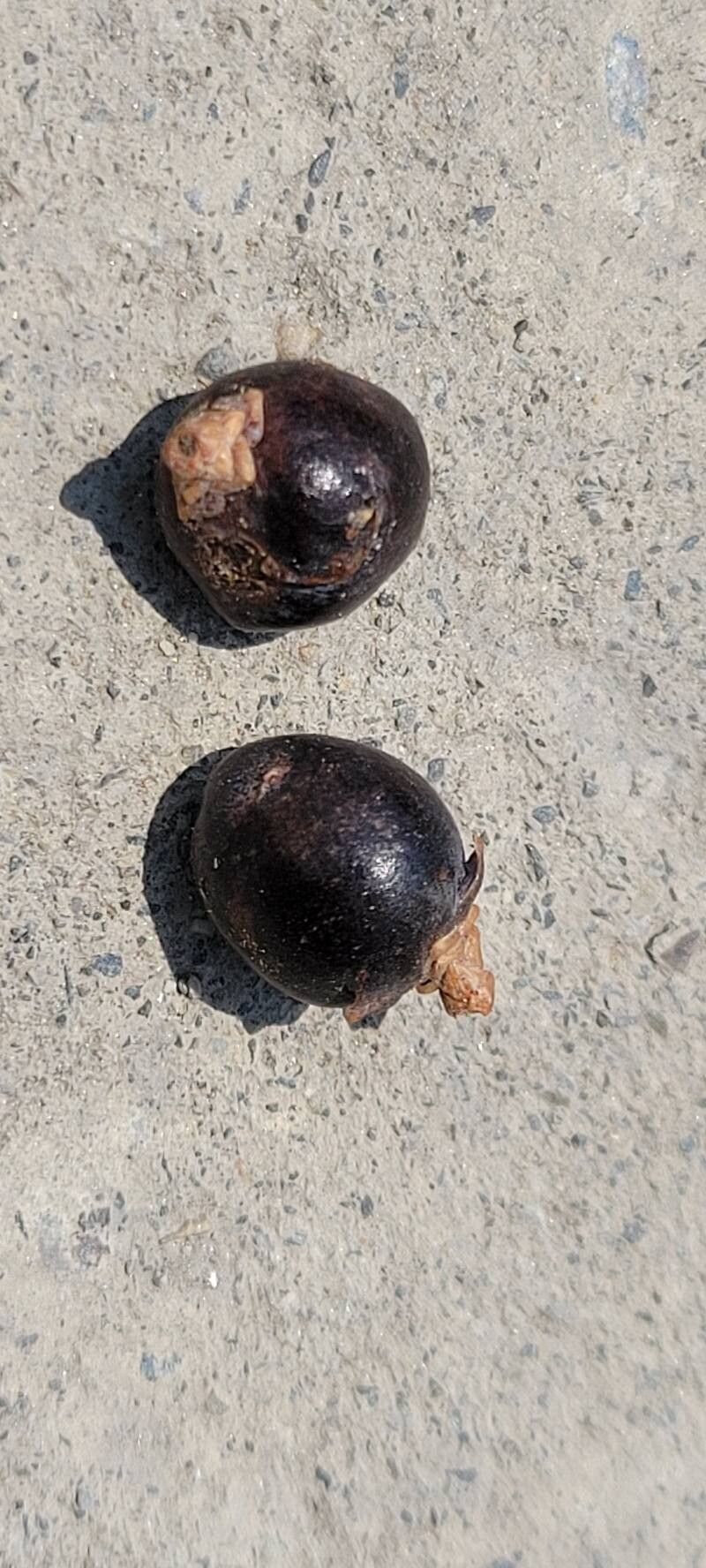
- Collection: Gather mature, bluish-black cones from an established Juniperus indica in late summer or early fall.
- Stratification: Juniper seeds require a period of cold treatment to break dormancy. Place the seeds in a moist mix of sand and peat moss, seal them in a plastic bag, and store them in the refrigerator for 60-90 days.
- Sowing: In spring, sow the stratified seeds in a seed tray filled with a well-draining seed starting mix. Lightly cover the seeds and keep the soil consistently moist.
- Patience is Key: Germination can be slow and erratic, taking anywhere from a few weeks to a year.
2. Cutting Propagation:
- Timing is Everything: Take semi-hardwood cuttings from healthy branches in late summer or early fall. Look for stems that are firm but not completely woody.
- Preparation is Key: Using a sharp, clean knife or pruning shears, take 4-6 inch cuttings, making a cut just below a node. Remove the lower leaves to expose the stem for rooting.
- Hormone Boost: Dip the cut end of each cutting in rooting hormone powder to encourage faster and healthier root development.
- Planting the Cuttings: Insert the cuttings into a pot filled with a well-draining rooting mix, ensuring the bottom node is buried.
- Creating a Humid Environment: Cover the pot with a clear plastic bag or use a propagation dome to retain moisture and humidity. Place the pot in a bright location but out of direct sunlight.
- Rooting Time: Cuttings typically take 6-8 weeks to develop roots.
Care for your Propagated Juniperus Indica
- Watering: Keep the soil consistently moist but not waterlogged.
- Sunlight: Provide bright, indirect sunlight for optimal growth.
- Fertilizing: Once the seedlings or cuttings are established, fertilize them lightly with a balanced fertilizer in spring.
Reaping the Rewards
Propagating your own Juniperus indica is a labor of love, but the rewards are well worth the effort. Watching new life sprout from seeds or cuttings offers a deep sense of satisfaction. Plus, you’ll have the joy of adding this stunning and hardy evergreen to your garden, where it will thrive for years to come.