
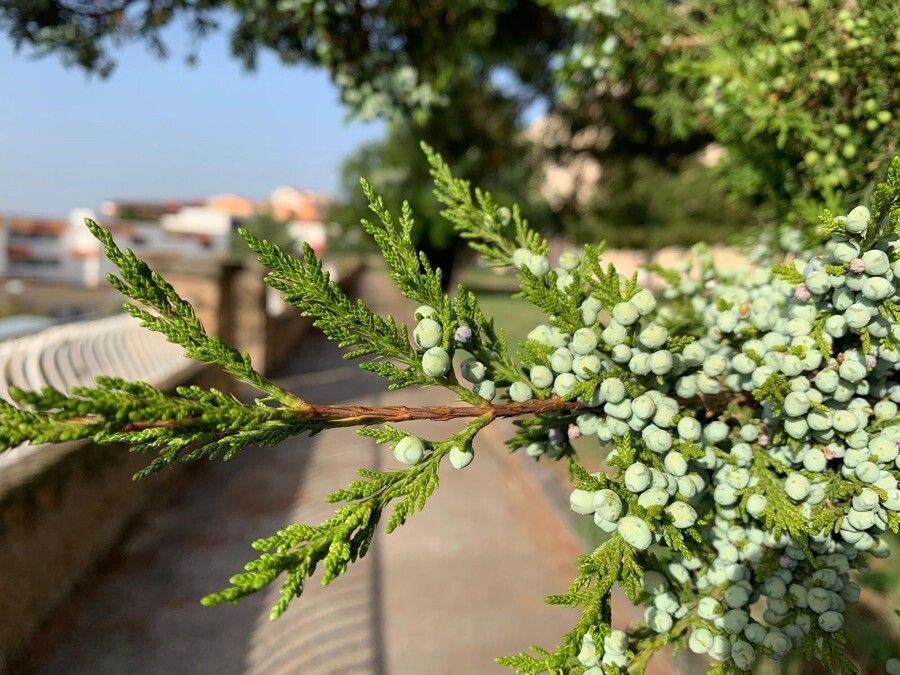
From Branch to Beauty: Propagating Your Own Eastern Red Cedar
Want to add a touch of evergreen elegance to your landscape? Look no further than the majestic Eastern Red Cedar (Juniperus virginiana). This hardy native conifer, known for its vibrant foliage and beautiful, blue-toned berries, is a popular choice for landscaping, hedges, and windbreaks. And the best part? You can easily multiply your Eastern Red Cedars with a little bit of know-how, using a process called propagation.
The Beauty of Propagation
Propagation allows you to create new plants directly from an existing one, preserving its unique characteristics. It’s a rewarding and cost-effective way to expand your garden or share with friends and family. For Eastern Red Cedars, propagation is particularly beneficial because it allows you to select specific cultivars with desirable features like compact size, distinct foliage color, or disease resistance.
Ready to Get Your Hands Dirty?
There are two main methods of propagating Eastern Red Cedars:
- Softwood Cuttings: This technique uses the soft, new growth that appears in the spring. This is a popular choice for beginners, as the new growth is easier to root.
- Hardwood Cuttings: Taken in late fall or winter, these cuttings use mature wood that’s less prone to rot. While they may take a bit longer to root, hardwood cuttings are often preferred for their durability.
A Step-by-Step Guide to Softwood Cuttings:
- Choose the Right Time: Spring is the ideal time for taking softwood cuttings, when new growth is pliable but mature enough to contain some woody tissue.
- Select Your Cutting: Choose a healthy, non-flowering branch with new growth about 4-6 inches long.
- Make the Cut: Using sharp pruning shears or a knife, make a clean, angled cut about 1/2 inch below a leaf node (the point where a leaf or branch grows). This will encourage root growth.
- Prepare the Cutting: Remove the lower leaves to expose the base of the cutting. This allows for optimal root development.
- Prepare the Growing Medium: A mixture of equal parts peat moss and perlite creates a well-drained and airy environment suitable for rooting.
- Planting Your Cutting: Dip the base of the cutting in a rooting hormone (optional but recommended for faster success). Insert the cutting into the growing media, leaving about 1/2 inch of the cutting exposed.
- Watering and Care: Keep the cuttings well-watered, but avoid overwatering. Cover the pot with a plastic dome or bag to create a humid environment for optimal root development.
- Patience is Key: Be patient! Softwood cuttings typically take 4-6 weeks to root. Continue to water regularly and monitor for signs of growth.
Hardwood Cuttings: A Winter Wonder
- Choose Your Time: Take hardwood cuttings in late fall or winter, when the plant is dormant.
- Select Your Cutting: Select a mature branch about 6-8 inches long.
- Make the Cut: Make a clean, angled cut at the base of the cutting.
- Prepare the Cutting: Remove any lower leaves.
- Prepare the Growing Medium: Use a sandy soil mixture or a mixture of perlite and vermiculite.
- Planting Your Cutting: Dip the base of the cutting in rooting hormone (optional but recommended). Insert the cutting into the growing media, leaving about 1/2 inch exposed.
- Watering and Care: Water the cuttings thoroughly and keep the medium moist.
- Patience Pays Off: Hardwood cuttings take longer to root, typically 6-8 weeks. Once rooted, you can gradually acclimate your new cedar to outdoor conditions.
Enjoy Your New Trees:
With a little dedication and care, you’ll soon be enjoying the beauty of a new Eastern Red Cedar, born from your very own effort! Remember to maintain proper care and ensure your new trees have adequate water, sunlight, and nutrients to thrive.
Propagating your own Eastern Red Cedars is rewarding and gratifying, connecting you with the natural world and allowing you to marvel at the incredible life cycle of these majestic trees. So, go ahead, give it a try and watch your garden grow!