
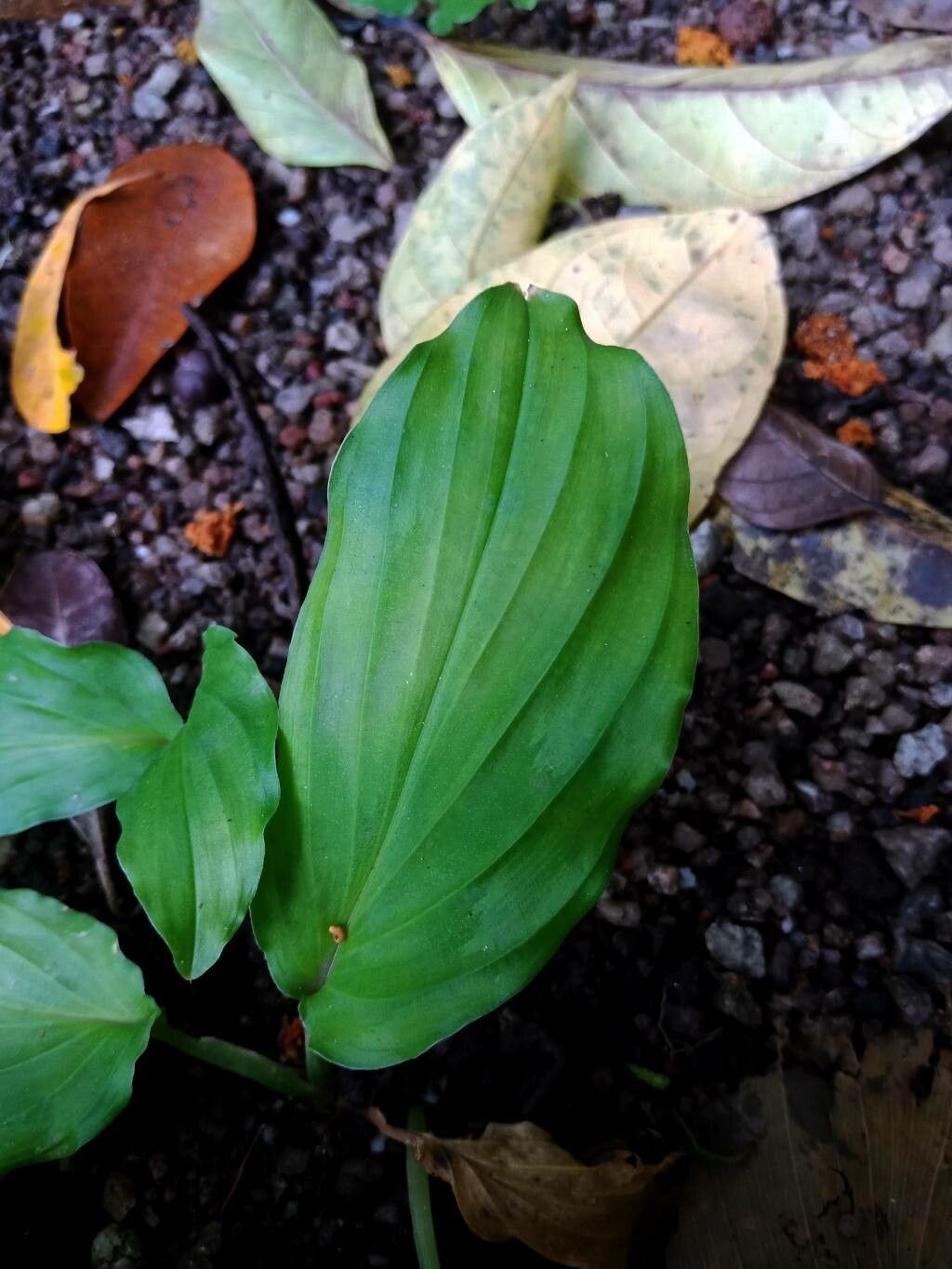
Waking the Peacock: Your Guide to Propagating Kaempferia Angustifolia
The plant world is full of wonders, and among them sits the captivating Kaempferia angustifolia, affectionately known as the Peacock Ginger. This Southeast Asian native is a sight to behold, boasting vibrant, almost iridescent foliage that unfurls like a peacock’s magnificent plumage. But what truly makes this plant special is its ease of propagation, allowing even novice gardeners to multiply their collection and share the joy of this botanical gem.
Unlocking the Secrets: Rhizomes Hold the Key
Unlike some plants that rely on seeds or cuttings, Kaempferia angustifolia propagates primarily through rhizome division. These underground stems, resembling small, knobby fingers, hold the key to new life. The best time to divide them is during the plant’s dormancy period, typically in late fall or early winter when the foliage dies back.
The Propagation Process: Easy as 1, 2, 3
Unearthing the Treasure: Carefully dig up the dormant rhizome clump from its pot. Gently brush away excess soil to reveal the network of rhizomes.
Dividing with Care: Look for natural divisions within the clump where rhizomes connect. Using a clean, sharp knife or pair of shears, separate the rhizomes, ensuring each division has at least one growth point or “eye.” These small, often pinkish bumps on the rhizomes are where new shoots will emerge.
- Potting for Success: Plant the divided rhizomes in well-draining soil, about an inch below the surface. Choose a pot with good drainage, as waterlogged soil can lead to rot. Place the pot in a warm, bright location, but out of direct sunlight.
Patience is a Virtue: Awaiting the Return of the Peacock
While propagating Kaempferia angustifolia is relatively simple, patience is key. It may take several weeks or even months for the newly planted rhizomes to show signs of growth. Keep the soil lightly moist but not waterlogged, and resist the urge to overwater. Once new growth emerges, you can gradually increase watering frequency.
Beyond Division: Exploring Other Options
While rhizome division remains the most common and efficient method, Kaempferia angustifolia can also be grown from seed. However, finding viable seeds can be challenging, and germination can be less reliable and significantly slower than rhizome propagation.
A Gift That Keeps on Giving
Propagating Kaempferia angustifolia is an immensely rewarding experience. Not only does it allow you to expand your own plant collection, but it also allows you to share this stunning species with friends and fellow plant enthusiasts. So, roll up your sleeves, embrace your inner plant parent, and prepare to be amazed as you witness the magic of propagation, one “peacock feather” at a time.