
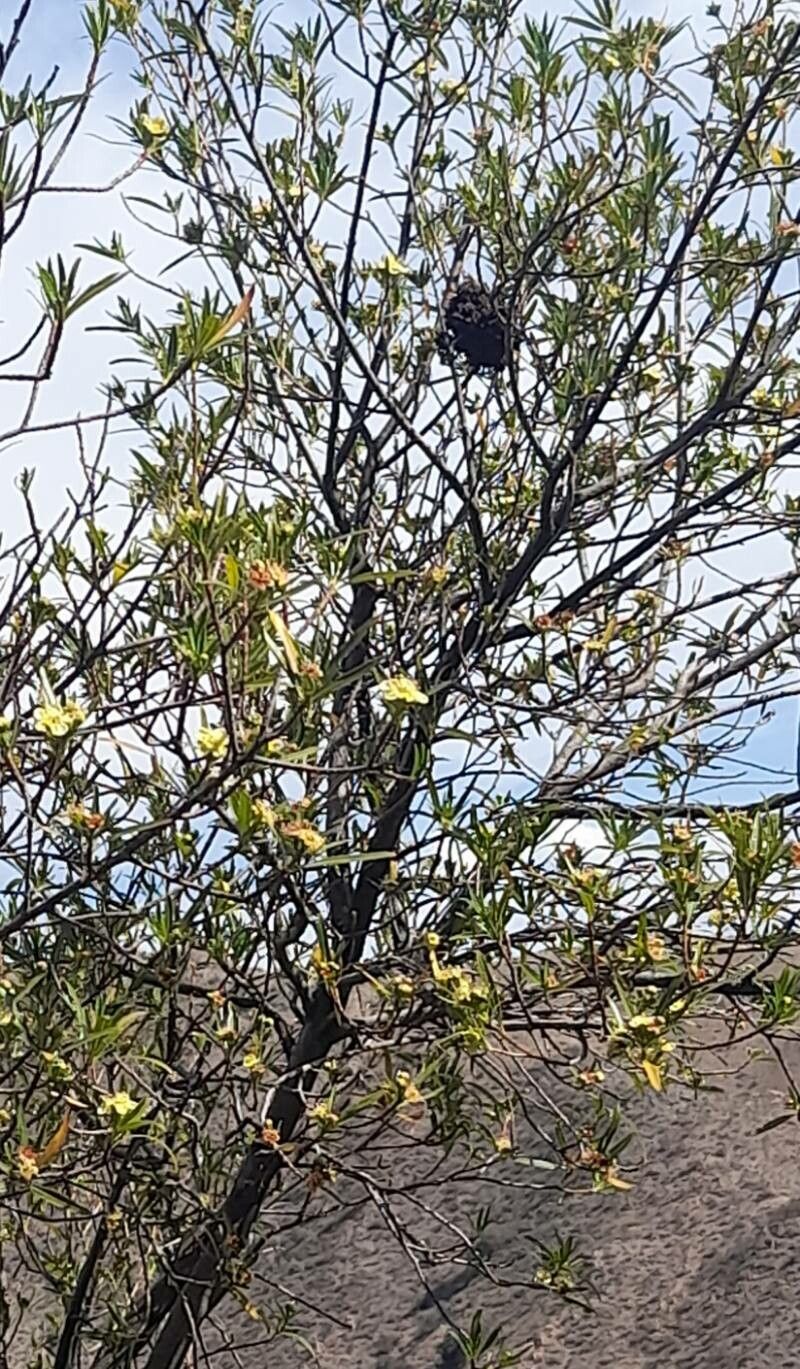
Propagating the Chilean Laurel: Unveiling the Secrets of Kageneckia lanceolata
Introduction:
Kageneckia lanceolata, commonly known as Chilean Laurel, is a captivating evergreen shrub or small tree prized for its glossy, lanceolate leaves and attractive, fragrant flowers. Native to Chile, its hardiness and unique aesthetic appeal have earned it a growing popularity among gardeners seeking drought-tolerant and visually stunning specimens for landscapes. However, propagation of Kageneckia lanceolata presents some challenges, making successful cultivation a rewarding achievement. Its relatively slow growth adds to the sense of accomplishment for those who successfully cultivate it.
Seed Germination:
Currently, there are no known reliable methods for seed germination propagation of Kageneckia lanceolata. While seeds may be produced, their viability and germination rate are reportedly very low, rendering this method impractical for most gardeners. Further research into seed treatment and germination conditions is needed to determine if this method can be made viable.
Cuttings:
Cuttings represent a more promising avenue for propagating Kageneckia lanceolata. Challenges: Achieving successful rooting can be difficult. The plant’s relatively slow growth rate means rooting takes time and requires patience. Tips: Semi-hardwood cuttings taken in late summer or early autumn, treated with a rooting hormone, and planted in a well-draining propagation mix under high humidity (e.g., a propagation chamber or humidity dome) offer the best chance of success. Bottom heat can also significantly improve rooting rates. Rewards: Cuttings offer a relatively straightforward method of creating genetically identical copies of a desirable mother plant, preserving its unique characteristics.
Division:
Division is generally not a practical method for propagating Kageneckia lanceolata. This species doesn’t readily produce suckers or offsets that can be easily separated and replanted. Attempting division could severely damage the mother plant without guaranteed success.
Tissue Culture:
Tissue culture propagation of Kageneckia lanceolata offers potential for large-scale multiplication and genetic preservation, though it requires specialized equipment and expertise. Challenges: Establishing sterile cultures and developing optimal growth media for this species requires considerable experience and experimentation. Tips: Consult relevant literature and potentially collaborate with a tissue culture laboratory specializing in woody plants. Rewards: Consistent, rapid propagation of disease-free plants and the potential to conserve rare or endangered genotypes.
Conclusion:
Propagating Kageneckia lanceolata presents several challenges, with cuttings being the most readily accessible method for home gardeners. Seed propagation appears currently unreliable, and division and tissue culture require specialized knowledge and resources. However, the rewards of successfully cultivating this beautiful and unique plant are substantial. The patience, dedication, and horticultural skill required to propagate Chilean Laurel translate into a deeply satisfying experience, fostering a strong connection with the plant and a heightened appreciation for its resilience and beauty. For aspiring propagators, starting with cuttings, using a rooting hormone, and providing optimal humidity conditions are crucial steps toward success. Remember – even with challenges, the ultimate joy of nurturing a Chilean Laurel from a cutting to a mature plant is a testament to perseverance and horticultural mastery.