
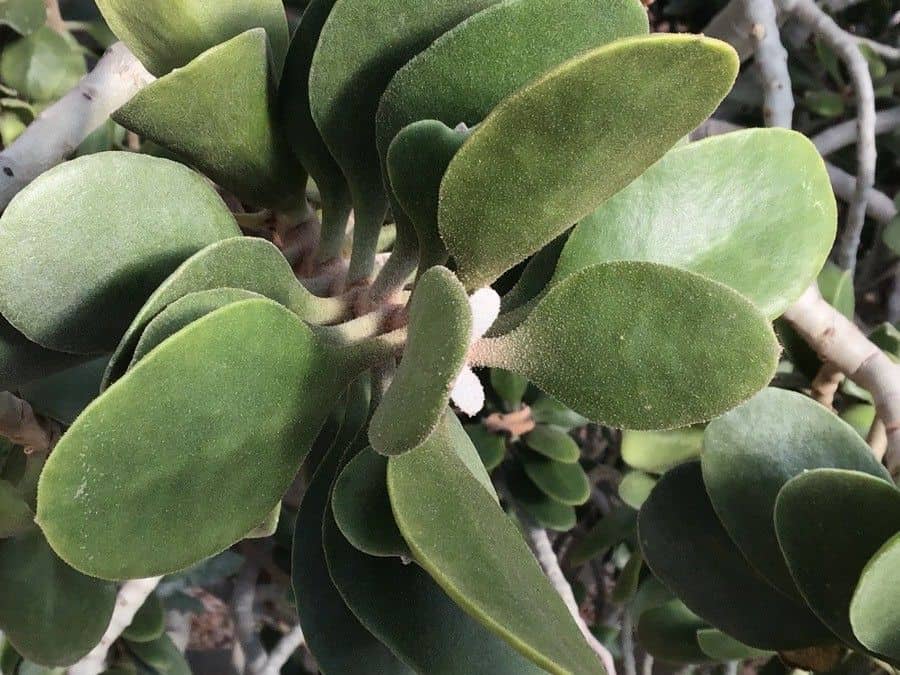
Leaf it to Multiply: The Easy Art of Propagating Kalanchoe Dinklagei
The Kalanchoe dinklagei, with its charmingly cascading foliage and fiery red-orange blooms, is a succulent that steals hearts. But did you know that this beauty is incredibly easy to propagate? That’s right, turning one “Chandelier Plant” into many is a delightfully simple process, perfect even for beginner gardeners. Let’s dive into the rewarding world of Kalanchoe dinklagei propagation:
Understanding Your Plant:
Before we get our hands dirty, it’s helpful to understand how this succulent naturally reproduces. Kalanchoe dinklagei belongs to the “Mother of Thousands” family for a reason. It produces tiny plantlets, complete with roots, along the edges of its leaves. These baby plants eventually drop off, ready to root and grow into clones of their parent.
Two Methods, One Goal:
There are two main ways to propagate your Kalanchoe dinklagei:
1. Plantlet Propagation:
- Harvesting: Gently detach mature plantlets from the leaf margins. Look for plantlets that are a bit larger and have visible roots for best results.
- Planting: Choose a well-draining potting mix formulated for succulents or cacti. Place the plantlets on the surface of the soil, ensuring the roots are in contact with the medium. You don’t need to bury the plantlet itself.
- Watering: Mist the soil lightly, keeping it consistently moist but never soggy. Overwatering is the biggest threat to these young plants.
- Location: Place the pot in a bright location with indirect sunlight.
2. Leaf Cuttings:
- Taking Cuttings: Using a clean, sharp knife or pair of scissors, carefully remove a healthy leaf from the main plant.
- Callousing: Allow the cut end of the leaf to callus over for a day or two. This helps prevent rot when you plant it.
- Planting: Lay the leaf flat on the surface of your prepared potting mix (see above). You can secure it with small pebbles if needed.
- Watering and Location: Follow the same watering and location guidelines as plantlet propagation.
Patience is a Green Thumb’s Best Friend:
Whether you choose plantlets or leaf cuttings, remember that propagation requires patience. It may take several weeks for roots to establish and new growth to appear. Resist the urge to overwater during this delicate stage.
Nurturing Your New Additions:
Once your new plants show signs of growth, you can gradually acclimate them to brighter light and a slightly less frequent watering schedule, just like your mature Kalanchoe dinklagei.
The Joy of Sharing:
Propagating your Kalanchoe dinklagei is a rewarding experience. Not only will you enjoy a bounty of these captivating plants, but you’ll also have plenty to share with fellow plant enthusiasts. After all, the joy of gardening grows exponentially when it’s shared!