
The Easy Peasy Way to Multiply Your Kalanchoe Millotii: A Guide to Propagation
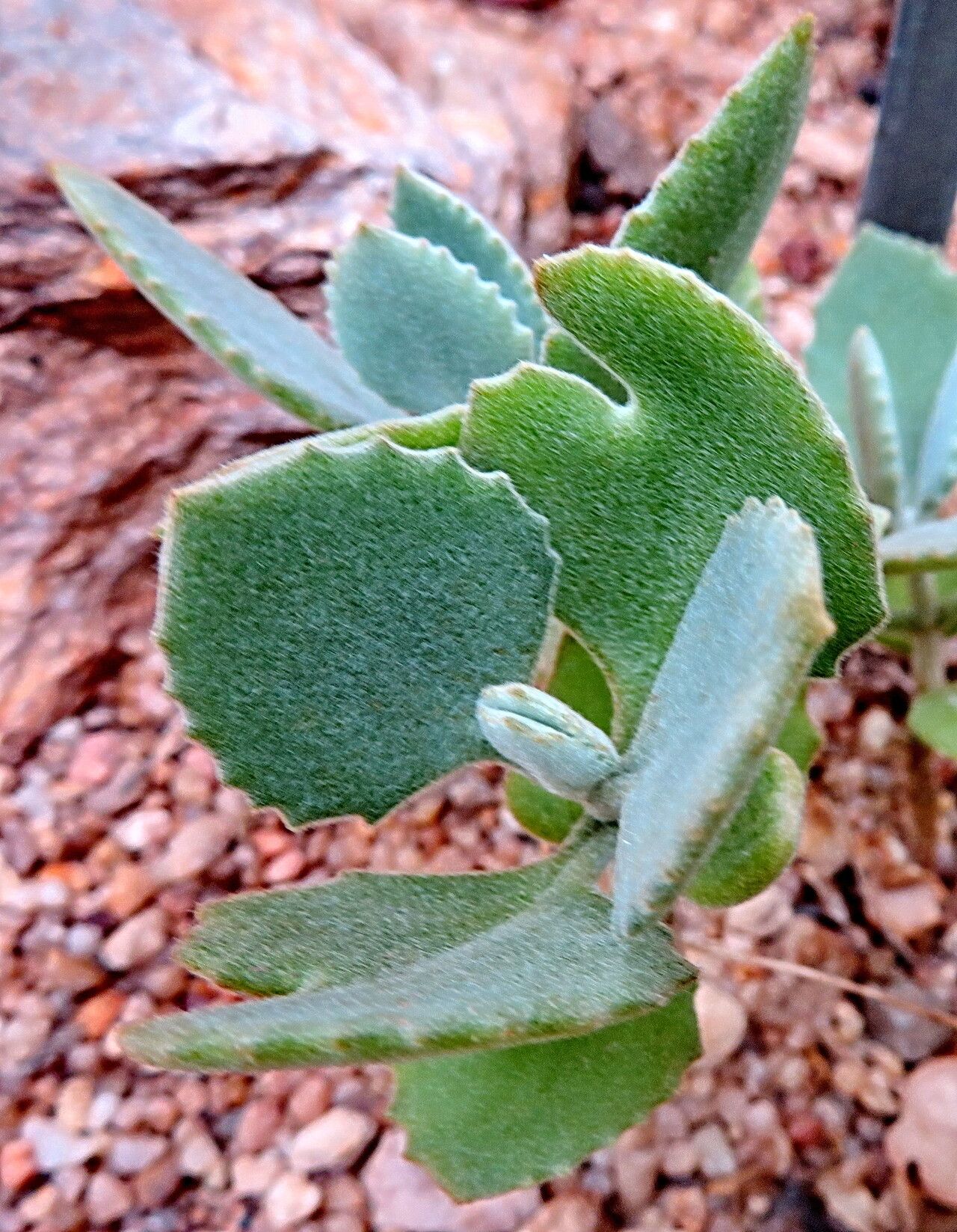
The Kalanchoe millotii, with its charming paddle-shaped leaves and vibrant blooms, is a popular choice for plant enthusiasts. But did you know that this succulent is incredibly easy to propagate? That means you can easily create new plants from existing ones, expanding your collection or sharing the beauty with friends. Read on to discover the simple techniques for turning one Kalanchoe millotii into many!
Propagation by Leaf Cuttings:
The most common and straightforward method for propagating Kalanchoe millotii is through leaf cuttings. This technique is perfect for beginners and doesn’t require any special tools. Here’s how to do it:
- Select a Healthy Leaf: Choose a leaf that is fully developed and free from any diseases or blemishes.
- Make the Cut: Gently twist the leaf at its base, separating it from the stem. Aim for a clean break to reduce the risk of infections. If you’re using a pair of scissors, ensure they’re sterilized to prevent contamination.
- Let the Cuttings Dry: Allow the cut end of the leaf to callous over for a few days. This helps prevent rot when the leaf is planted.
- Prepare the Planting Medium: A well-draining potting mix specifically for succulents is ideal. You can also use a combination of cactus potting mix and perlite.
- Plant the Leaf: Place the calloused end of the leaf directly into the prepared potting mix. Don’t bury the entire leaf; only the base needs to be covered.
- Water Carefully: Water sparingly, allowing the soil to dry out between waterings. Avoid overwatering as it can lead to root rot.
- Patience is Key: New plantlets will emerge from the base of the leaf cutting within a few weeks. Be patient, as it can sometimes take several months for the plantlets to develop fully.
Propagation by Stem Cuttings:
For a faster method, you can propagate Kalanchoe millotii using stem cuttings. This technique is slightly more demanding, but the rewards are quicker.
- Choose a Stem: Select a healthy stem with at least two or three leaf nodes.
- Cut the Stem: Use sterilized scissors to make a clean cut just below a leaf node.
- Prepare the Cutting: Remove the leaves at the base of the cutting to prevent rot.
- Root the Cuttings: You can root stem cuttings in water or soil. For water propagation, place the stem in a glass of water, changing the water regularly to prevent bacterial growth. For soil propagation, follow the same steps as for leaf cuttings, but plant the entire stem in the soil.
- Water and Monitor: Keep the cuttings moist but not soggy, and ensure they receive bright, indirect light. Regularly check for signs of root growth.
- Transplant: Once the cuttings have developed a healthy root system, you can transplant them into individual pots with well-draining potting mix.
Important Tips for Success:
- Choose the Right Time: The best time to propagate Kalanchoe millotii is during the growing season, typically from spring to summer.
- Provide Sufficient Light: The cuttings need bright, indirect light to thrive. Avoid direct sunlight, which can scorch the delicate leaves.
- Maintain Humidity: Maintain moderate humidity around the cuttings, especially for stem cuttings. You can create a mini greenhouse by covering the cuttings with a plastic dome or bag to trap moisture.
- Be Patient: Propagation takes time, so be patient and allow the cuttings to develop at their own pace.
With a little care and patience, you can easily multiply your Kalanchoe millotii and enjoy a beautiful display of these fascinating succulents. So, grab a leaf or a stem, follow these steps, and soon you’ll have a whole new collection of these easy-to-care-for plants.