
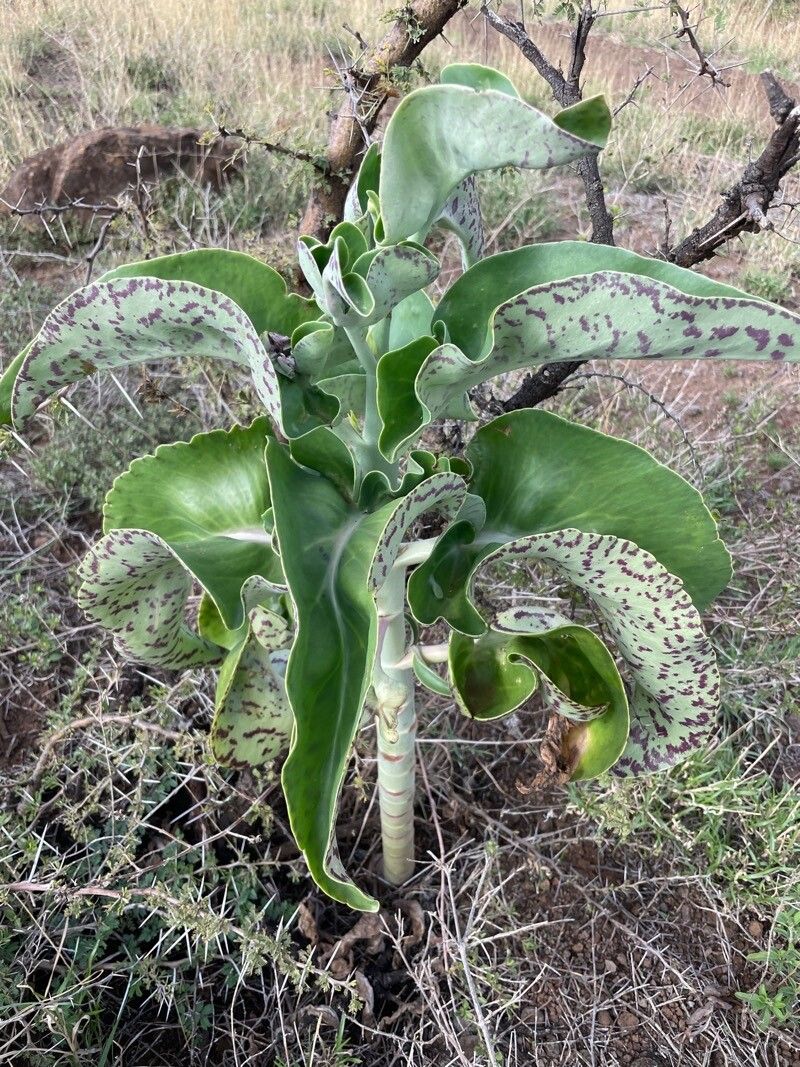
Propagating the Panda Plant: A Guide to Cultivating Kalanchoe prittwitzii
Kalanchoe prittwitzii, affectionately known as the Panda Plant, is a highly sought-after succulent prized for its captivating appearance. Its velvety, grey-green leaves, adorned with dark brown spots, coupled with its relatively compact growth habit, make it a favorite among succulent enthusiasts. While its relatively slow growth can make obtaining numerous plants challenging, propagation offers a rewarding solution. However, the Panda Plant presents unique challenges in reproduction, making success a testament to patience and horticultural skill.
Seed Germination:
Currently, there are no known reliable methods for seed germination propagation of Kalanchoe prittwitzii. While the plant does produce seeds, their viability and germination rate are extremely low, making this method impractical for most home cultivators. Further research is needed to determine if specific environmental conditions or pre-treatments could improve germination success.
Cuttings:
This is the most widely successful method for propagating Kalanchoe prittwitzii.
Challenges: Leaf cuttings often fail to root, while stem cuttings require careful handling to prevent rot. The slow growth rate of the plant means achieving a sizable plant from a cutting will take considerable time.
Tips: Use sharp, sterilized tools to take stem cuttings approximately 4-6 inches long. Allow the cut ends to callous over for a few days before planting them in well-draining succulent potting mix. Plant cuttings shallowly, ensuring only the bottom node is buried. Avoid overwatering; infrequent misting is preferable to regular watering during the rooting process. High humidity and bright, indirect light can increase success rates. Propagation hormones may be beneficial, but they are not essential.
Rewards: Cuttings reproduce the exact genetic clone of the parent plant, preserving desirable traits. This method is relatively straightforward, requiring less specialized equipment than other methods.
Division:
This method is feasible but limited.
Challenges: Kalanchoe prittwitzii doesn’t naturally produce many offsets or pups. Division is only possible when the plant has already grown significantly and developed multiple stems or offshoots that can be carefully separated. Damage to the roots during division can easily kill the plant.
Tips: The best time to divide is during the spring or early summer, when the plant is actively growing. Carefully separate the offshoots, ensuring each division has its own healthy root system. Plant the divisions in well-draining soil and water sparingly.
Rewards: Division provides a more rapid increase in the number of plants compared to cuttings, although the success relies entirely upon the plant’s established growth and careful separation.
Tissue Culture:
This method offers the potential for large-scale propagation.
Challenges: Tissue culture requires specialized equipment, a sterile environment, and expertise in laboratory techniques. It can be expensive and time-consuming. Developing appropriate media and protocols for Kalanchoe prittwitzii would require significant research and experimentation.
Tips: This is not a method for the novice. Access to a laboratory with sterile conditions and appropriate media for succulent propagation is essential.
Rewards: Tissue culture enables large-scale propagation of genetically identical plants, which is highly valuable for commercial production or preservation of rare varieties. Disease-free plants can be generated.
Conclusion:
Propagating the Panda Plant presents its own set of unique obstacles, with cuttings proving to be the most reliable method for home cultivators. While seed germination is currently impractical and division is limited by the plant’s natural growth habit, tissue culture offers a promising avenue for larger-scale production. The slow growth inherent to Kalanchoe prittwitzii necessitates patience, but the reward of successfully nurturing a new plant from a cutting or division is substantial. The unique charm and striking beauty of the Panda Plant makes the effort well worthwhile. Embrace the challenge, learn from each attempt, and enjoy the journey of cultivating this captivating succulent.