
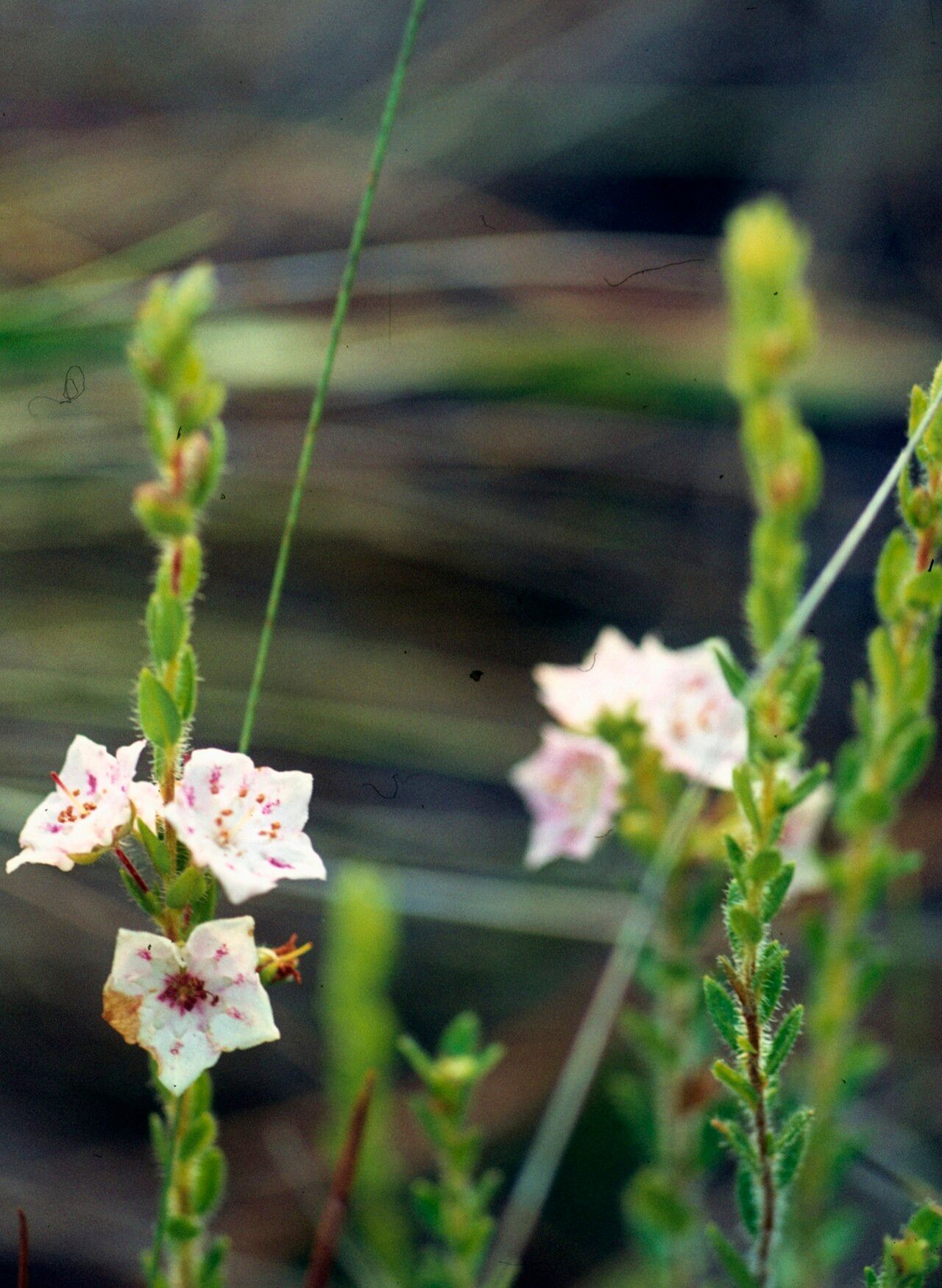
Spreading the Beauty: How to Propagate Hairy Kalmia (Kalmia hirsuta)
The Hairy Kalmia (Kalmia hirsuta), a charming native wildflower, is a sight to behold. Its delicate, pink-tinged blossoms and compact, shrubby form make it a delightful addition to gardens and landscapes. But what if you want to share this beauty with others? Or perhaps you’re simply seeking to expand your own collection of these delightful plants. The good news is that propagating Kalmia hirsuta is relatively easy and can be achieved through both seeds and cuttings.
Growing Hairy Kalmia from Seeds:
While this method requires a bit more patience, it’s a rewarding process. Here’s your guide:
- Harvesting Seeds: In late summer or early fall, the seed capsules of the Hairy Kalmia will turn brown. Collect these capsules and gently extract the seeds.
- Sowing Seeds: You can directly sow the seeds in the garden in a well-drained, slightly acidic soil. Alternatively, start them indoors in seed trays filled with a suitable seed-starting mix.
- Germination: Germination can take several weeks or even months, so patience is key. Ensure the soil remains consistently moist.
- Transplanting: Once seedlings develop a few true leaves, you can transplant them to their final location.
Propagating Hairy Kalmia through Cuttings:
For those seeking quicker results, propagating from cuttings is the way to go. Here’s a step-by-step guide:
- Timing: Take cuttings in the spring or early summer, preferably from new growth.
- Cutting Selection: Choose healthy, non-flowering stems and make clean cuts just below a node.
- Preparation: Remove leaves from the lower half of the stem and dip the base in a rooting hormone.
- Planting: Insert the cuttings into a pot filled with a well-draining rooting medium. Ensure the medium is kept consistently moist.
- Environment: To encourage rooting, place the cuttings in a humid environment. You can achieve this by covering the pot with a plastic dome or bag.
- Rooting Time: Cuttings usually root within 4 to 6 weeks. Once roots develop, you can transplant them into individual pots or directly into your garden.
Important Considerations:
- Soil pH: Hairy Kalmia prefers acidic soil with a pH range of 4.5 to 5.5. Amend soil with peat moss or pine needles to achieve the desired acidity.
- Sunlight: This plant thrives in partial shade to full shade conditions. Avoid direct sunlight, especially during the hottest part of the day.
- Watering: Keep the soil consistently moist, but avoid overwatering.
Tips for Success:
- Use sharp tools: Sharp, clean tools minimize damage to the plant and prevent the introduction of fungal diseases.
- Consider environmental factors: Choose a location with appropriate sunlight and soil conditions for optimal growth.
- Protect from pests: Keep an eye out for common garden pests that can damage your Hairy Kalmia, such as aphids and spider mites.
With a little care and attention, you can successfully propagate Hairy Kalmia and enjoy these charming wildflowers in your garden for years to come. So, get ready to spread the beauty of this native gem and witness the joy of watching these delicate flowers flourish in your own landscape.