
Unlocking the Secrets of Kitaibelia Vitifolia: A Guide to Propagation
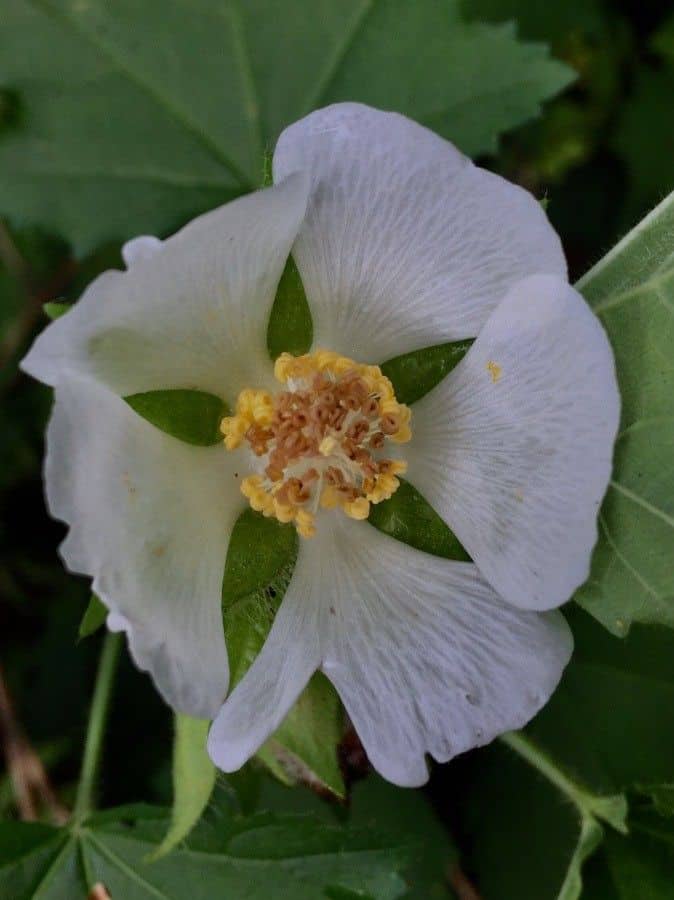
Kitaibelia vitifolia, also known as the Balkan Mallow, is a captivating plant with its large, maple-like leaves and delicate, pale pink flowers resembling miniature hibiscus blooms. Native to the Balkans, this stunning perennial adds a touch of exotic charm to any garden. While relatively unknown, its beauty and ease of care make it a hidden gem worthy of wider cultivation. One of the best ways to expand your Kitaibelia collection and share its charm is through propagation. Thankfully, this beauty offers multiple avenues for propagation success.
Seed Starting: A Rewarding Journey from Seed to Bloom
Growing Kitaibelia vitifolia from seed is a satisfying experience, allowing you to witness the plant’s entire life cycle.
Seed Collection & Storage: Collect seeds from mature, dried seed pods in late summer or fall. Store seeds in a cool, dry place until ready to sow.
Sowing Time: Start seeds indoors 6-8 weeks before the last expected frost.
Sowing Process: Sow seeds in a well-draining seed starting mix, covering them lightly with soil. Maintain a temperature of around 65-70°F (18-21°C) and keep the soil consistently moist but not waterlogged.
- Transplanting: Once seedlings develop a few sets of true leaves and all danger of frost has passed, gradually acclimate them to outdoor conditions before transplanting to the garden.
Taking Cuttings: A Faster Route to New Plants
Propagating Kitaibelia vitifolia from cuttings offers a quicker way to generate new plants identical to the parent plant.
Timing is Key: Take cuttings in late spring or early summer from actively growing stems.
Selecting the Right Cuttings: Choose healthy, non-flowering stems and make a clean cut just below a leaf node.
Preparing the Cuttings: Remove the leaves from the lower portion of the cutting, leaving 2-3 leaves at the top. Dip the cut end in rooting hormone (optional but helpful).
Planting & Care: Plant the cuttings in a well-draining potting mix. Maintain moisture and humidity by covering the pot with a plastic bag or using a humidity dome.
- Transplanting: Once roots have developed, typically in 4-6 weeks, you can transplant the cuttings into individual pots or directly into the garden.
Division: Sharing the Bounty of Established Plants
For established Kitaibelia vitifolia plants, division is an effective method for propagation and maintaining their health.
When to Divide: Divide plants in early spring or fall when the plant is dormant or just beginning to show new growth.
Dividing the Clump: Carefully lift the plant from the ground, shake off excess soil, and gently separate the roots into smaller sections, making sure each section has a healthy amount of roots and shoots.
- Replanting: Replant the divisions at the same depth they were originally growing, water them thoroughly, and provide adequate support as they establish themselves.
Tips for Success:
- Well-Draining Soil: Kitaibelia vitifolia thrives in well-drained soil. Amending heavy clay soil with compost or other organic matter can significantly improve drainage.
- Sunlight Requirements: Provide at least 6 hours of sunlight per day for optimal growth and flowering.
- Regular Watering: Water deeply and regularly, especially during dry periods. Mulching around the base of the plant helps retain moisture.
- Supporting Growth: As Kitaibelia vitifolia can grow quite tall (up to 6 feet), staking or providing other forms of support can be beneficial.
Propagating Kitaibelia vitifolia is an enjoyable and rewarding experience. With a little patience and care, you can easily multiply your collection of this stunning plant and create a captivating display in your garden for years to come.