
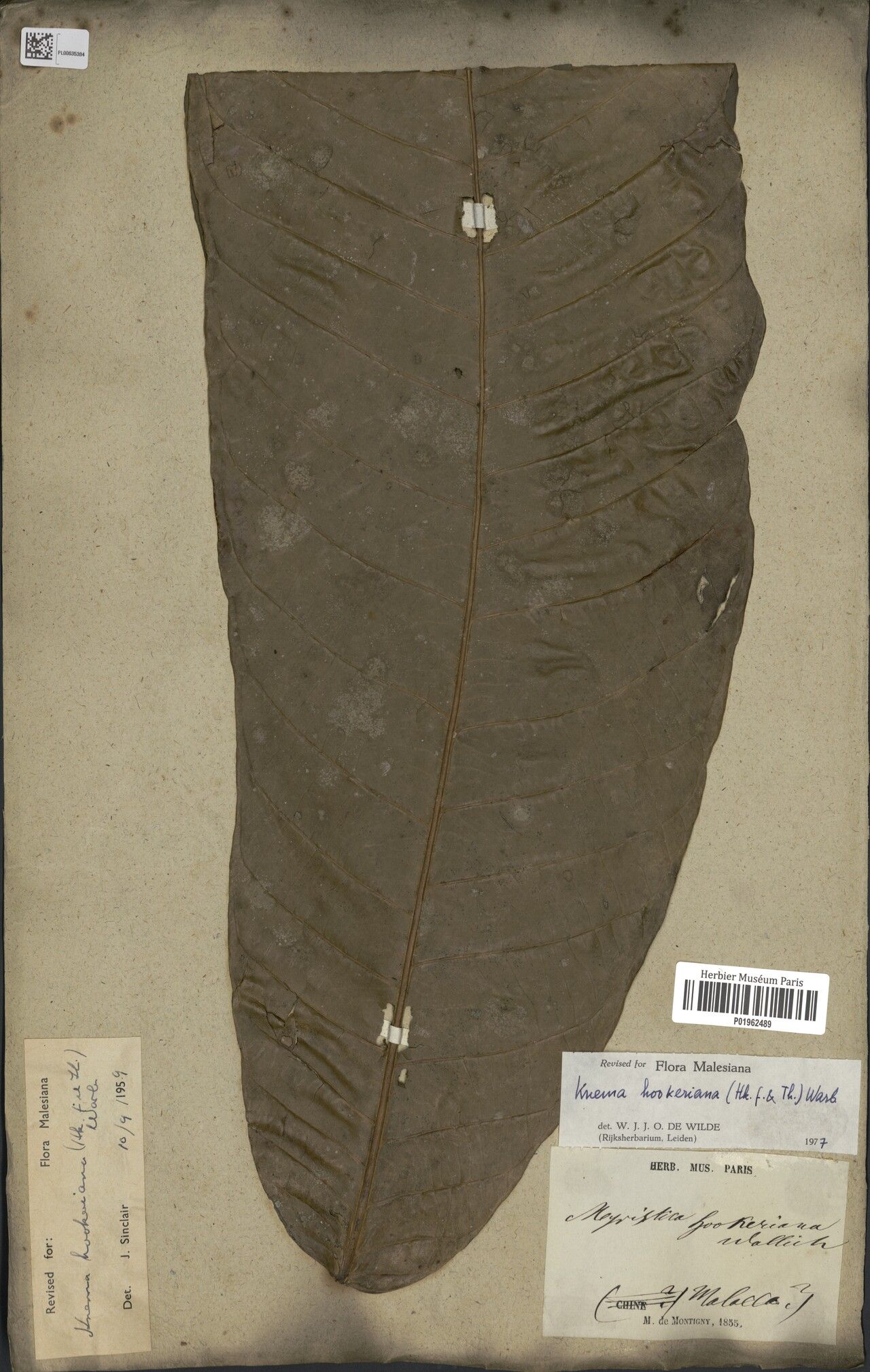
Unlocking the Secrets of Knema hookeriana Propagation: A Guide for Plant Enthusiasts
Knema hookeriana, a lesser-known but captivating tropical tree, boasts glossy foliage and intriguing fruits. While not commonly found in garden centers, this Southeast Asian native offers a rewarding challenge for adventurous plant lovers. Successfully propagating Knema hookeriana requires patience and an understanding of its unique needs. Let’s delve into the methods that hold the most promise for bringing new Knema hookeriana trees to life.
Seed Propagation: Embracing the Natural Route
The most common and rewarding method for propagating Knema hookeriana is through seeds. However, patience is essential, as germination can be slow and unpredictable. Here’s a step-by-step guide to maximize your chances of success:
- Sourcing Seeds: Obtain fresh, mature seeds from a reputable source. You can try contacting botanical gardens or specialist nurseries specializing in rare plants.
- Seed Preparation: Gently remove the fleshy outer layer (aril) from the seeds. This layer often contains germination inhibitors. Soaking the seeds in water for 24 hours can help soften it.
- Sowing: Plant the seeds in a well-draining potting mix, such as a mixture of peat moss, perlite, and vermiculite. Cover them lightly with the mix and water thoroughly.
- Warmth and Humidity: Knema hookeriana thrives in warm, humid conditions. Consider using a heat mat to maintain a consistent soil temperature of around 80-85°F (27-29°C). Enclosing the pot in a clear plastic bag can help create a humid microclimate.
- Patience is Key: Germination can take anywhere from a few weeks to several months. During this time, keep the soil consistently moist but not waterlogged.
- Transplanting Seedlings: Once the seedlings have developed a couple of sets of true leaves and are large enough to handle, carefully transplant them into individual pots filled with well-draining soil.
Other Propagation Methods: Exploring Alternative Routes
While seed propagation is the most common approach, there are a few other methods worth considering:
- Cuttings: Taking stem cuttings from mature, healthy plants is an option, though success rates can be variable. Use a rooting hormone and provide warmth and humidity to encourage root development.
- Air Layering: This advanced technique involves wounding a branch and encouraging root formation while still attached to the parent plant. Once roots have developed, the branch is removed and potted.
Challenges and Considerations:
Propagating Knema hookeriana is not without its challenges.
- Seed Viability: Seeds may lose viability quickly, so it’s crucial to use fresh seeds.
- Slow Growth: Knema hookeriana is a slow-growing species, requiring patience and consistent care to reach maturity.
- Pests and Diseases: Young plants can be susceptible to pests and diseases, so regular monitoring and appropriate treatments are essential.
Conclusion: A Rewarding Endeavor
While propagating Knema hookeriana requires patience and a touch of green thumb magic, witnessing the growth of this rare and beautiful tree from seed or cutting is an immensely rewarding experience. With the proper care and attention, you can unlock the secrets of Knema hookeriana propagation and enjoy the beauty of this unique tropical treasure for years to come.