
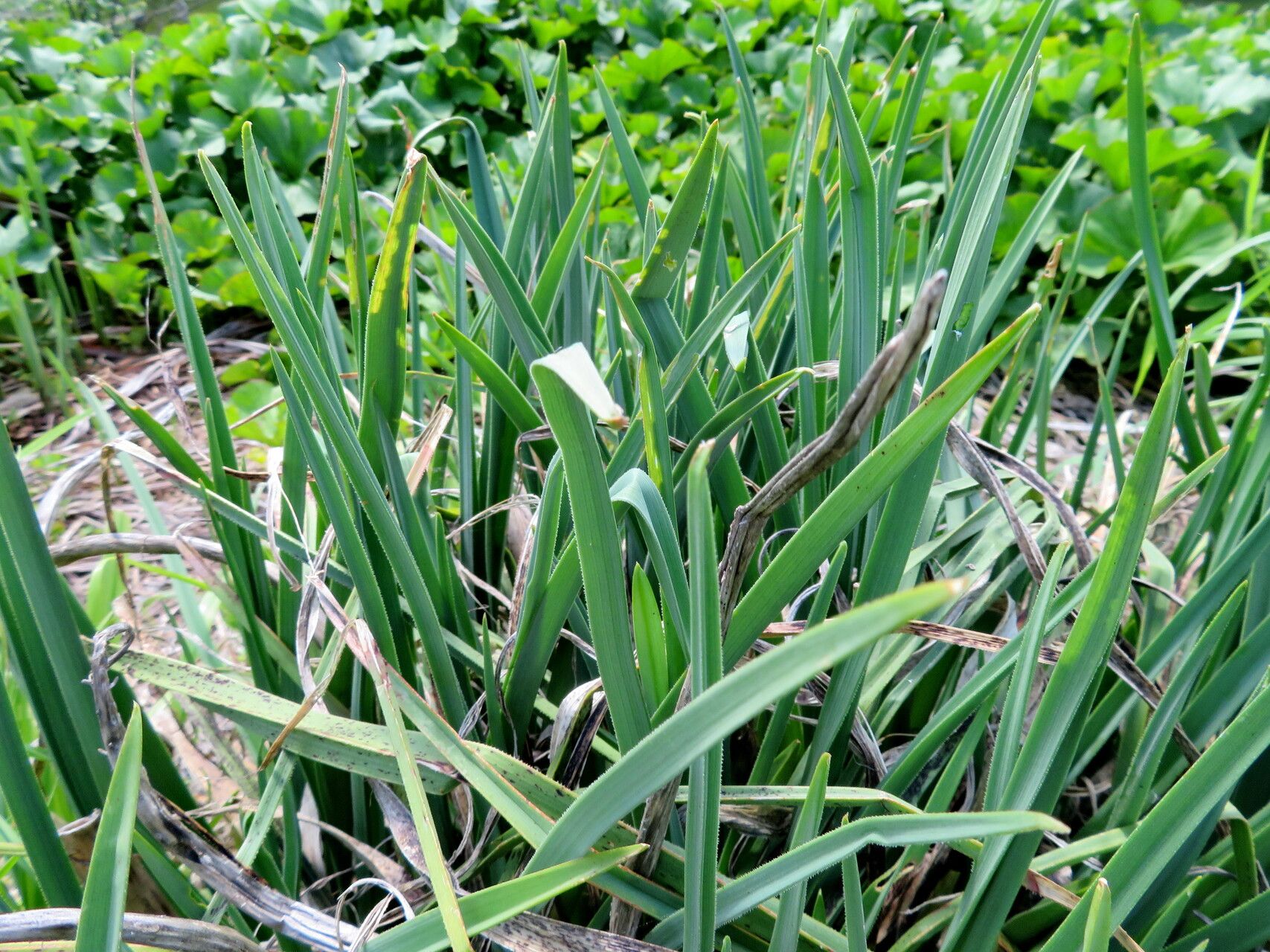
Propagating Kniphofia brachystachya: Tapping into the Torch Lily’s Potential
Kniphofia brachystachya, commonly known as the short-spikes red hot poker, is a striking succulent plant prized for its vibrant, densely packed inflorescences of red, orange, and yellow flowers. Its relatively compact size compared to other Kniphofia species, and its tolerance of various conditions, makes it a popular choice among gardeners. However, propagating this beauty can present unique challenges. This article explores different methods to propagate Kniphofia brachystachya, weighing their viability and effectiveness.
Seed Germination:
Currently, there are no known reliable methods for seed germination propagation of Kniphofia brachystachya. While seed production occurs, germination rates are extremely low, even under ideal conditions. Further research is needed to determine if specific pretreatment techniques like scarification or stratification could improve germination success. Therefore, relying on seed propagation for Kniphofia brachystachya is generally not recommended.
Cuttings:
Cuttings offer a more reliable method for propagating Kniphofia brachystachya.
- Challenges: Success depends on the timing and technique. Using inappropriate cuttings or poor rooting conditions can lead to failure. Rot is a significant risk if cuttings are not kept adequately dry.
- Practical Tips: Take basal stem cuttings (cuttings from the base of the plant) in spring or early summer from healthy, actively growing shoots. Remove lower leaves to prevent rotting. Dip the cut ends in a rooting hormone powder before planting in a well-draining, sandy propagation mix. Maintain high humidity with a humidity dome or plastic bag, ensuring good ventilation to prevent fungal diseases. Keep the cuttings in bright, indirect light. Rooting typically takes several weeks.
- Rewards: Relatively fast propagation, producing genetically identical offspring to the mother plant maintaining desirable characteristics. This is ideal for preserving rare cultivars.
Division:
Division is possibly the easiest and most successful method for propagating established Kniphofia brachystachya plants.
- Challenges: Requires a mature plant with sufficient root mass. Improper division can damage the plant, leading to reduced vigor or even death. The timing is crucial to avoid stress.
- Practical Tips: Divide the plant in spring or fall, during periods of active growth. Carefully dig up the entire plant and gently separate the clump into smaller divisions, ensuring each division has healthy roots and several shoots. Replant the divisions immediately in well-draining soil and water sparingly until they become established.
- Rewards: High success rate, relatively quick establishment, and easy replication of desirable traits. It’s the most commonly and successfully used propagation method for this species.
Tissue Culture:
Tissue culture is a technically demanding method that is rarely employed for propagating Kniphofia brachystachya among hobbyists due to equipment and expertise requirements.
- Challenges: Requires specialized equipment, sterile conditions, and a thorough understanding of plant tissue culture techniques. The establishment of aseptic cultures and subsequent multiplication can be challenging.
- Practical Tips: This method should be undertaken by experienced plant tissue culture specialists and requires a meticulously controlled environment, specific nutrient media and protocols.
- Rewards: Large-scale propagation with rapid multiplication is possible, producing disease-free plants and allowing for genetic improvement.
Conclusion:
While seed propagation is currently ineffective, Kniphofia brachystachya can be successfully propagated through cuttings and division, with division proving the most accessible and reliable method for home gardeners. Tissue culture offers the potential for large-scale propagation but requires specialist knowledge and equipment. While all methods present their challenges, the reward of cultivating these vibrant plants, especially after overcoming the hurdles of propagation, is immense. The unique satisfaction lies not just in the colourful blooms, but in the successful cultivation of a plant that demands a little extra effort, rewarding the diligent gardener with striking beauty. So, embrace the challenge, select the method that suits your skill level, and enjoy the journey of nurturing these magnificent torch lilies.