
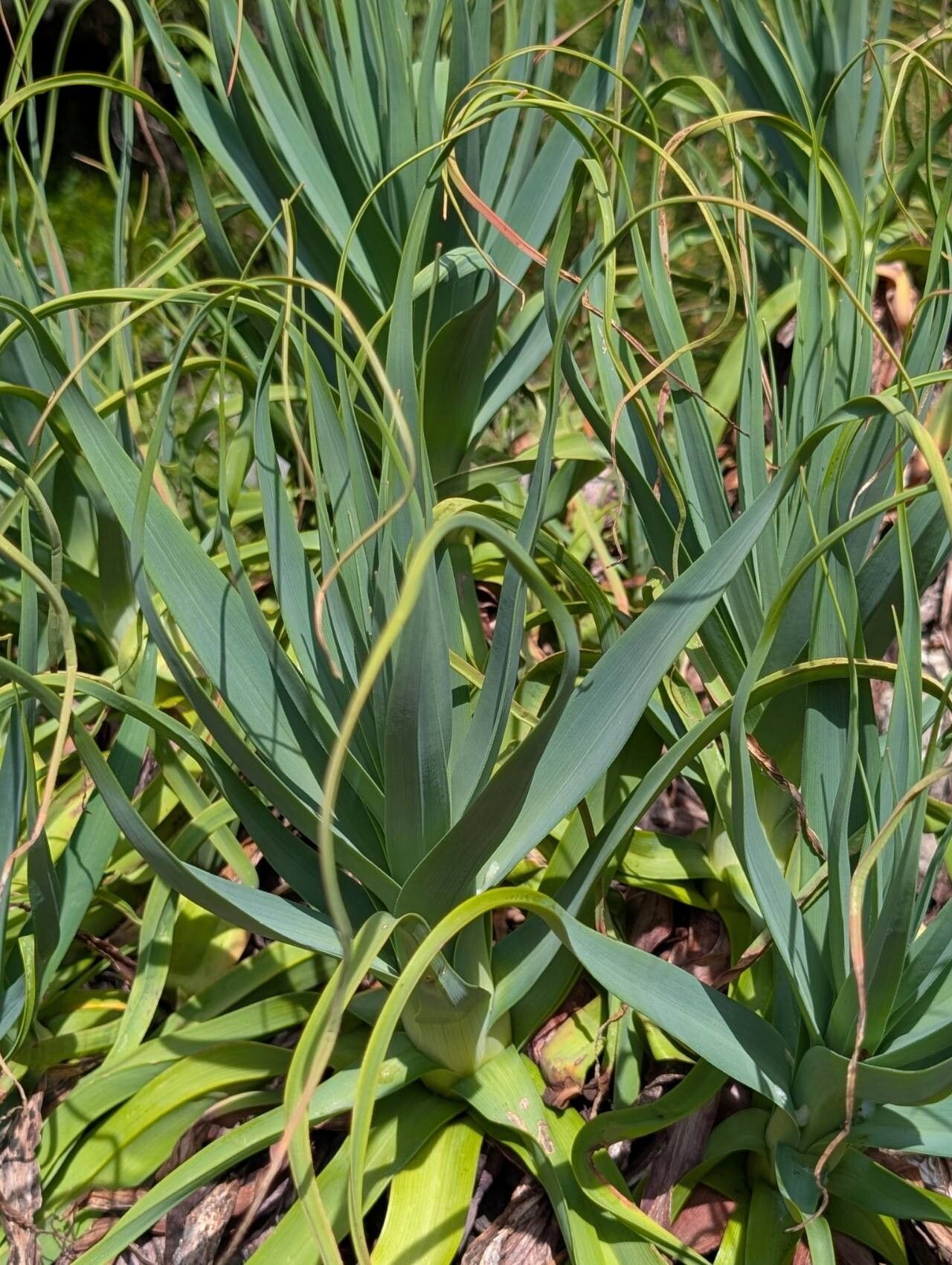
Propagating Red Hot Pokers: A Guide to Cultivating Kniphofia caulescens
Kniphofia caulescens, commonly known as Red Hot Poker (though this common name is shared with other Kniphofia species), is a striking perennial boasting vibrant, densely packed flowers that range from fiery reds and oranges to yellows and greens. Its architectural form, adding vertical interest to gardens, has made it a popular choice among gardeners. Its relatively low maintenance requirements contribute to its appeal, but propagating this beauty presents unique challenges and rewards.
Seed Germination:
Currently, there are no known reliable methods for seed germination propagation of Kniphofia caulescens. While some Kniphofia species readily propagate from seed, germination rates for K. caulescens are reportedly low and inconsistent, making this method impractical for most gardeners. Further research into specific germination requirements may reveal potential future success, but presently, relying on seed propagation for this species is not advisable.
Cuttings:
Propagating Kniphofia caulescens through cuttings is a viable, albeit somewhat challenging, method.
Challenges: Root development from cuttings can be slow and unreliable. The success rate depends heavily on timing, the type of cutting used (basal or stem), and the environmental conditions.
Tips: Take basal cuttings (cuttings from the base of the plant) during the late spring or early summer, ideally from young, actively growing shoots. Use a sharp, clean knife or blade to ensure a clean cut, minimizing tissue damage. Remove lower leaves to prevent rotting. Dip the cut end in a rooting hormone to stimulate root formation. Plant the cuttings in a well-draining, moist propagation mix, maintaining high humidity (e.g., using a propagator or covering with a plastic bag). Patience is key; rooting can take several weeks or even months.
Rewards: Cuttings offer a relatively straightforward method of producing genetically identical plants to the parent, preserving desirable traits. This method is suitable for smaller-scale propagation.
Division:
Division offers a more reliable approach for propagating Kniphofia caulescens.
Challenges: Mature plants are required, limiting the applicability of this method for young specimens. Improper division can damage the plant, potentially leading to its decline.
Tips: The best time for division is in spring or autumn, when the plant is actively growing or entering dormancy. Dig up the entire plant carefully. Using a sharp spade or knife, divide the root clump into sections, each containing several healthy leaves and a portion of the root system. Replant the divisions immediately in well-prepared soil, ensuring adequate spacing for future growth. Water thoroughly after planting.
Rewards: Division is efficient for producing multiple plants quickly, ideal for larger-scale propagation. It’s generally a more successful method than cuttings.
Tissue Culture:
Tissue culture offers a sophisticated but highly effective method of propagating Kniphofia caulescens.
Challenges: Tissue culture requires specialized equipment, sterile conditions, and technical expertise. It’s more expensive and time-consuming than other methods.
Tips: This method involves culturing small plant tissues in a nutrient-rich medium under aseptic conditions. The process requires training and suitable laboratory facilities.
Rewards: Tissue culture allows for rapid and large-scale propagation of genetically uniform plants, making it ideal for commercial propagation and conservation efforts. It also offers a way to eliminate diseases and produce virus-free plants.
Conclusion:
While propagation of Kniphofia caulescens presents different challenges depending on the method employed, division offers the most practical and reliable approach for the home gardener. Cuttings can be successful with patience and attention to detail, while seed germination and tissue culture remain less viable options for most. The satisfaction derived from nurturing a small cutting into a flowering plant, or successfully dividing a mature specimen, is a testament to the gardener’s perseverance. Despite the difficulties, the vibrant display of Kniphofia caulescens in bloom is a reward well worth the effort. Don’t be discouraged by initial setbacks – experiment, learn from your mistakes, and enjoy the journey of cultivating this beautiful, fiery plant.