
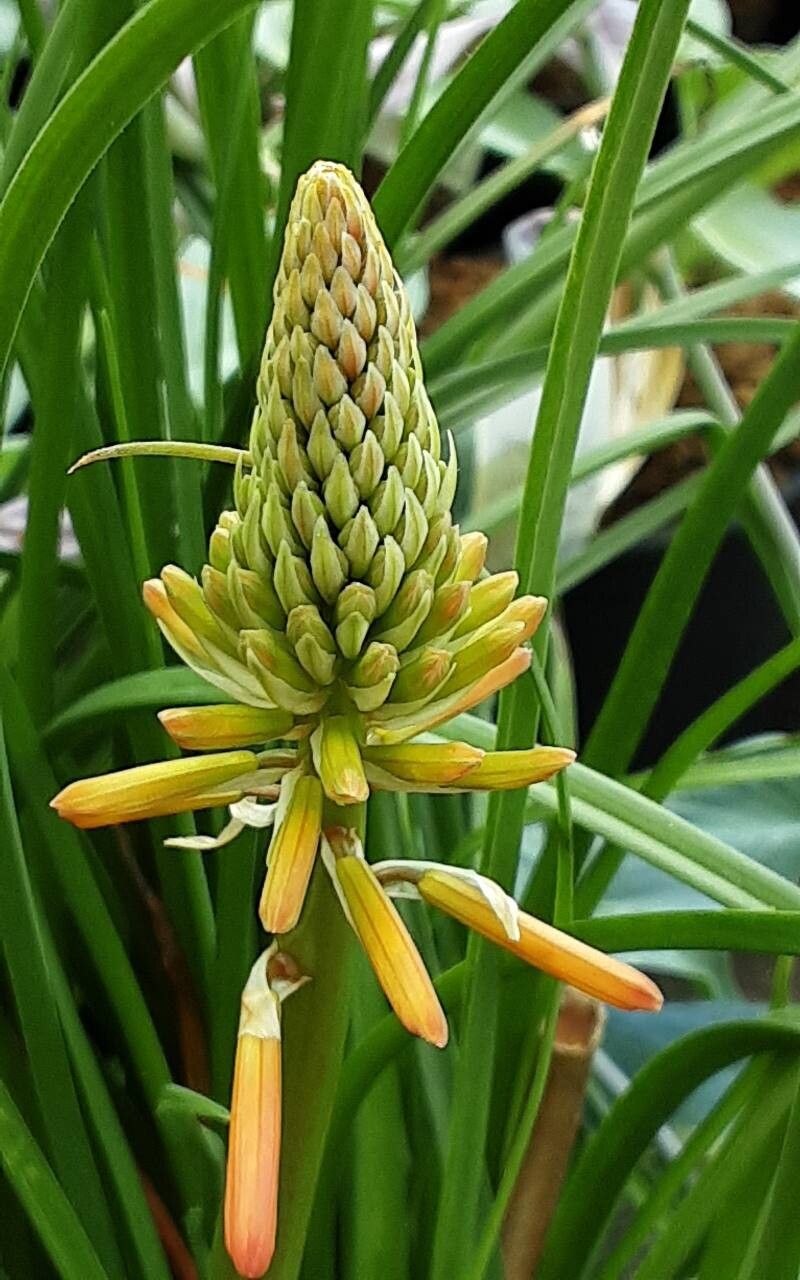
Propagating Kniphofia × praecox: A Gardener’s Guide to the Torch Lily
Kniphofia × praecox, commonly known as the Torch Lily or Red Hot Poker, is a striking hybrid plant valued for its vibrant, upright flower spikes that resemble fiery torches. Its long-lasting blooms, ranging in colours from fiery reds and oranges to yellows and greens, make it a highly popular choice amongst gardeners seeking bold, vertical accents in borders, containers, or wildflower meadows. Its relative ease of cultivation once established, coupled with its dramatic appearance, contributes to its widespread appeal. However, propagation presents unique challenges.
Seed Germination:
Currently, there are no known reliable methods for seed germination propagation of Kniphofia × praecox. While the plant does produce seed, the germination rate is notoriously low, and seedlings often exhibit significant variability, making this method unreliable for maintaining desirable traits within a cultivar.
Cuttings:
Challenges: Successful propagation from cuttings requires careful technique and ideal conditions. The success rate can be moderate, and the process can be time-consuming.
Practical Tips: Softwood cuttings, taken in spring from new growth, generally yield the best results. Cuttings should be about 4-6 inches long, taken just below a node, and the lower leaves removed. Dip the cut ends in rooting hormone before planting in a well-draining propagation mix (e.g., a blend of peat moss and perlite). High humidity is crucial; covering the cuttings with a plastic bag or cloche helps maintain moisture levels. Bottom heat can also significantly improve rooting success.
- Rewards: Cuttings offer a reliable method to propagate specific, desirable cultivars, ensuring the replication of preferred characteristics. It is relatively simple compared to other methods once mastered.
Division:
Challenges: Division is most successful with mature, well-established plants. Dividing a plant that is too small or unhealthy may hinder its growth and survival. It is also best carried out during the dormant period (typically late autumn or early spring).
Practical Tips: Carefully dig up the mature plant, loosening the soil around the root ball. Using a sharp, clean knife or spade, divide the clump into smaller sections, ensuring each division has multiple healthy growing points and a robust root system. Replant the divisions promptly, ensuring adequate spacing.
- Rewards: Division is a quick and efficient method for increasing the number of plants, especially useful for propagating large numbers of a single cultivar. Established divisions typically integrate into the garden environment more quickly than cuttings or seedlings.
Tissue Culture:
Challenges: Tissue culture is a technically demanding and specialist method, requiring specialized equipment, a sterile environment, and expertise in plant tissue culture techniques. It’s not a practical method for the average home gardener.
Practical Tips: This method involves sterilizing plant material and growing it on a nutrient-rich agar medium under controlled conditions to generate numerous plantlets. While it is highly effective for large-scale propagation and generating disease-free plants, it demands specialized knowledge and resources.
- Rewards: Tissue culture provides the most reliable method for mass propagation, disease elimination, and the preservation of rare or valuable cultivars.
Conclusion:
Propagating Kniphofia × praecox presents a unique set of challenges. While seed germination is unreliable, cuttings and division offer achievable pathways for the home gardener, each with its own pros and cons. Tissue culture presents a highly effective, albeit technically demanding, option for larger-scale propagation. The satisfaction derived from successfully propagating these stunning plants, especially through the more challenging methods, is undeniable. The vibrant colours and architectural form of the resulting plants serve as a testament to the gardener’s dedication and skill, adding a special joy to the gardening experience. Therefore, whether opting for the relatively straightforward division or the more intricate art of cuttings, the journey of propagating Kniphofia × praecox is ultimately rewarding. Remember patience and persistence are key to success.