
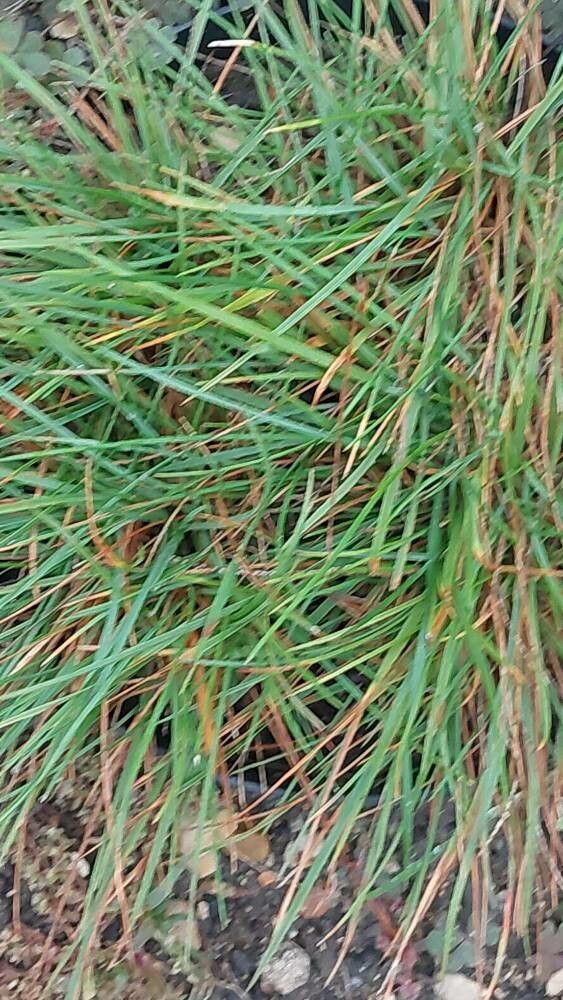
Seeding Success: How to Propagate June Grass (Koeleria macrantha)
June grass, also known as Koeleria macrantha, is a beautiful and resilient ornamental grass prized for its delicate, airy seedheads and captivating bronze-green foliage. If you’re looking to add this elegant beauty to your landscape, propagation is surprisingly simple! Whether you’re a seasoned gardener or just starting out, this guide will equip you with the knowledge to successfully propagate June grass.
Two Paths to Propagation:
June grass can be propagated through two primary methods:
1. Seed Propagation:
- Timing is Key: The ideal time to sow June grass seeds is in the fall or early spring. Fall sowing allows seeds to benefit from natural stratification (exposure to cold temperatures), increasing germination rates.
- Sowing the Seeds:
- Outdoors: Select a sunny or partially shaded location with well-drained soil. Lightly rake the area to loosen the soil surface. Scatter seeds evenly and lightly press them into the soil, ensuring good seed-to-soil contact. Water gently.
- Indoors: Sow seeds in seed trays filled with a well-draining seed starting mix. Cover seeds lightly with soil and mist with water. Place the tray in a bright location but out of direct sunlight.
- Patience is a Virtue: June grass seeds can take anywhere from 2 to 4 weeks to germinate. Keep the soil consistently moist but not waterlogged during this period.
2. Division:
- When to Divide: Early spring or fall is the optimal time to divide established June grass clumps.
- Division Process: Carefully dig up the entire clump using a garden fork or spade. Gently tease apart the clump into smaller sections, ensuring each division has a healthy root system and several shoots.
- Replanting: Replant the divisions at the same depth they were originally growing, spacing them 12-18 inches apart. Water thoroughly to settle the soil and encourage root establishment.
Caring for Your New June Grass:
Regardless of your chosen propagation method, providing the right care for your new June grass plants is crucial for their success:
- Light: June grass thrives in full sun to partial shade. Aim for at least 4-6 hours of direct sunlight per day.
- Water: While established plants are relatively drought tolerant, newly propagated June grass requires regular watering, especially during dry spells. Keep the soil consistently moist but not waterlogged.
- Soil: Well-drained soil is essential to prevent root rot. Amending heavy clay soil with compost or other organic matter can improve drainage.
- Fertilizer: June grass is not a heavy feeder. However, a light application of a balanced fertilizer in the spring can promote healthy growth. Avoid over-fertilizing, as it can lead to excessive foliage growth and fewer seed heads.
Reaping the Rewards:
Propagating your own June grass is a rewarding experience. With a bit of patience and care, you’ll soon have a multitude of these graceful grasses gracing your garden. Enjoy their elegant beauty and the gentle swaying motion they bring to your landscape!