
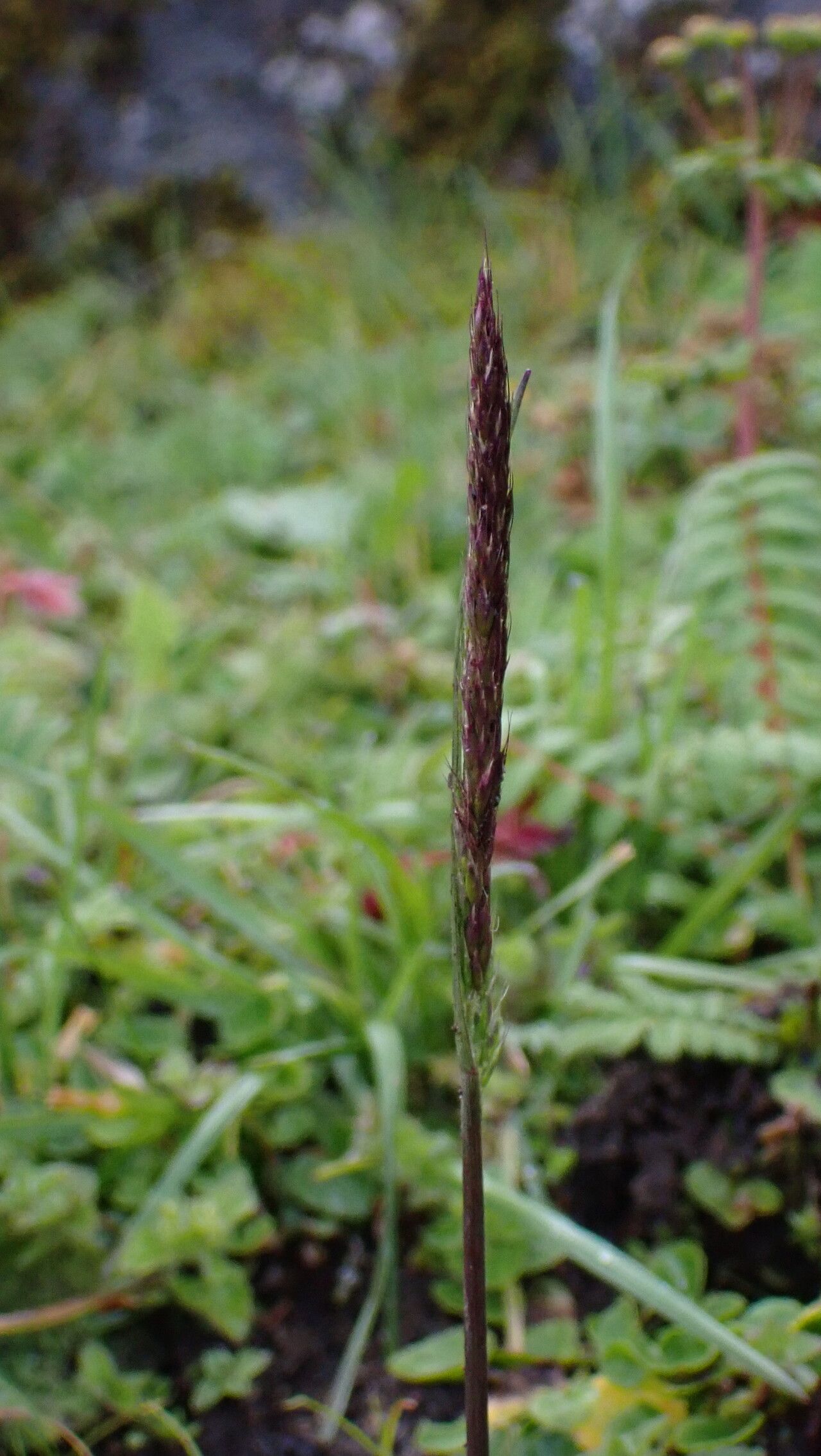
Waking Up the Prairie: How to Propagate Junegrass (Koeleria spicata)
Junegrass (Koeleria spicata), also known as prairie Junegrass, is a beautiful and hardy ornamental grass prized for its delicate, spiky blooms and its ability to thrive in challenging conditions. This North American native brings texture and movement to gardens, its fine foliage swaying gracefully in the breeze. Whether you’re a seasoned gardener or a beginner, propagating Junegrass is a rewarding experience. Let’s explore the two main methods:
1. Seeding the Way to Success:
Starting Junegrass from seed is a cost-effective and relatively simple process, perfect for establishing large patches. Here’s how:
- Timing is Everything: Aim to sow your seeds outdoors after the last frost in your area, typically in spring or early fall. Junegrass prefers cool-season germination.
- Prepare the Bed: Choose a location with well-drained soil and plenty of sunlight. Junegrass can tolerate partial shade but thrives in full sun. Loosen the soil and remove any weeds.
- Sow with Care: Sprinkle the seeds evenly over the soil surface, pressing them in lightly. Don’t bury them too deep, as light aids in germination.
- Water Wisely: Keep the soil consistently moist but not waterlogged until the seedlings emerge, which can take anywhere from 1 to 3 weeks.
- Thinning Out the Crowd: Once the seedlings reach a few inches tall, thin them out to roughly 6-12 inches apart to prevent overcrowding and promote healthy growth.
2. Dividing and Conquering:
Division is an excellent option for mature Junegrass clumps and offers a quicker path to establishing new plants. Here’s the breakdown:
- When to Divide: Spring or early fall is ideal, allowing the divisions ample time to establish roots before facing extreme temperatures.
- Digging In: Carefully dig up the entire Junegrass clump, ensuring you get as much of the root system as possible.
- Separating with Care: Using a sharp knife or garden shears, divide the clump into smaller sections, each containing a good amount of roots and healthy shoots.
- Replanting for Success: Replant the divisions at the same depth they were originally growing, spacing them 12-18 inches apart. Water thoroughly to help them settle in.
Beyond Propagation: Caring for your Junegrass
Once established, Junegrass is relatively low-maintenance:
- Water Needs: While drought-tolerant once established, regular watering during the first year after planting, especially during dry spells, is essential for healthy root development.
- Feeding for Flourishing: Junegrass isn’t a heavy feeder. A light application of a balanced fertilizer in spring is usually sufficient.
- Cutting Back for Beauty: In late winter or early spring, cut back the previous season’s growth to make way for fresh, new foliage.
Propagating Junegrass, whether from seed or division, is a gratifying experience that brings beauty and resilience to your landscape. By following these tips, you’ll be well on your way to enjoying the charm of this prairie native in your garden for years to come.