
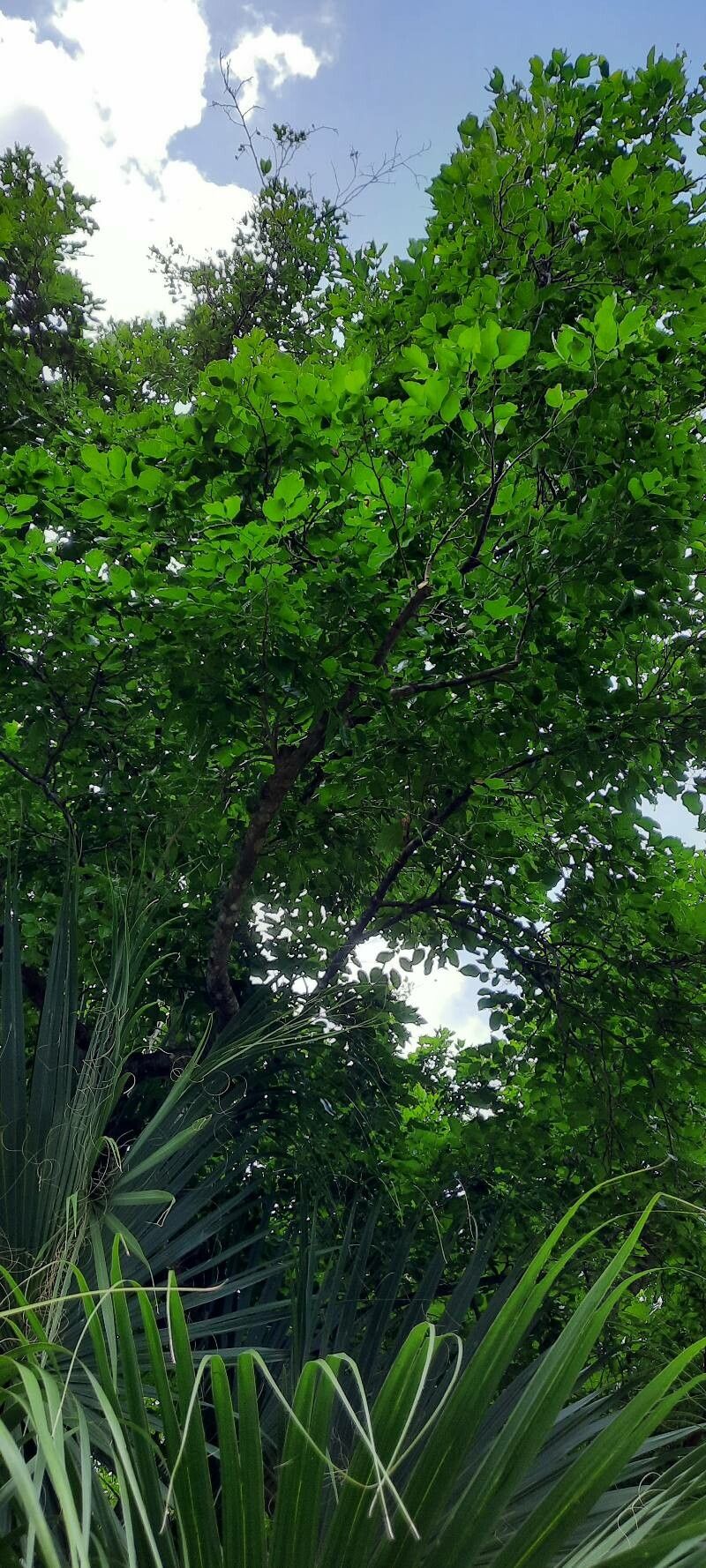
The Mighty “Tualang”: Unveiling the Secrets of Koompassia malaccensis Propagation
The Koompassia malaccensis, more affectionately known as the “Tualang” tree, is a majestic giant of the Southeast Asian rainforest. It boasts not only immense size, reaching heights of over 80 meters, but also a remarkable longevity, with some individuals estimated to be over 1000 years old! For centuries, Tualang has been revered by local communities for its incredible honey production and its significant role in the ecosystem. Now, as concerns about deforestation and habitat loss rise, the challenge of safeguarding this magnificent species becomes even more critical. One key factor in conservation efforts is understanding the intricacies of Tualang propagation. Let’s dive into the fascinating world of growing this legendary tree:
The Challenges of Tualang Propagation
While Tualang’s presence in the ecosystem is undeniable, propagating this species is not a simple task. Here’s why:
- Slow Growth: Tualang trees are notoriously slow growers, taking years to reach even a moderate size. This makes traditional methods of propagation, such as direct seeding, challenging and time-consuming.
- Seed Collection: Harvesting viable Tualang seeds is fraught with difficulty. The trees produce pods high in the canopy, making access a serious hurdle.
- Seed Viability: Once obtained, Tualang seeds have a limited viability period, needing careful handling and specific germination conditions.
Unraveling the Secrets: Propagation Techniques
Despite the challenges, botanists and researchers have made significant strides in understanding the nuances of Tualang propagation. Here are some of the key techniques employed:
- Seed Collection and Storage: Experts now utilize specialized tree-climbing techniques and innovative seed collection methods to ensure the safe harvesting of viable pods. These seeds are then promptly treated with suitable fungicides, dried, and stored in cool, dry conditions to preserve their viability.
- Seedling Nursery: Growing Tualang seedlings in controlled nursery environments provides the ideal conditions for initial growth. Specialized seedbeds are constructed to mimic the rainforest floor’s natural conditions, encouraging root development and ensuring survival.
- Vegetative Propagation: As an alternative to seed-based propagation, research is exploring the potential of vegetative methods using cuttings or grafting. These techniques are still in their early stages, but show promising results in terms of faster growth and genetic preservation.
The Importance of Conservation
Beyond scientific research, local communities play a vital role in Tualang’s conservation. Traditional knowledge about its ecological importance, coupled with sustainable harvesting practices, are crucial to its survival. Initiatives aimed at community education and awareness-raising are vital in ensuring the long-term existence of this iconic tree.
The Future of Tualang
By combining scientific advancements with traditional wisdom, we can unlock the potential for successful Tualang propagation and restoration. Understanding the intricacies of its growth and employing sustainable practices ensures that future generations can witness the majesty of the “Tualang” tree, a true symbol of resilience and ecological harmony. This majestic giant of the rainforest deserves our respect and protection, and by joining forces, we can ensure its legacy endures for generations to come.