
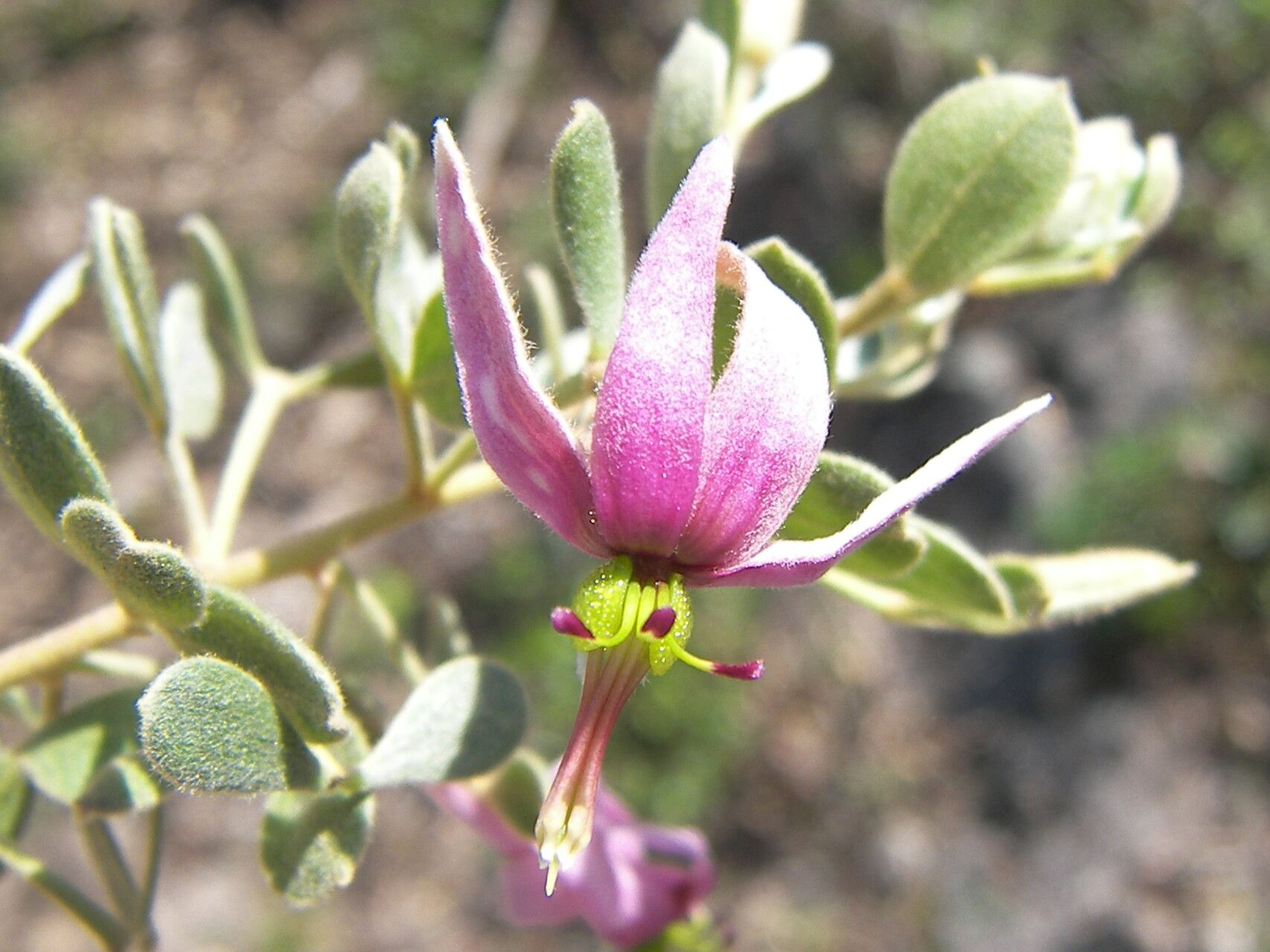
Taming the Desert Beauty: Propagation Techniques for Krameria cytisoides
The world of desert plants is filled with intriguing adaptations and unique beauty. Among these fascinating organisms thrives Krameria cytisoides, a shrub known for its vibrant magenta flowers and intriguing parasitic nature. While cultivating this species can be challenging, dedicated gardeners can enjoy the rewards of nurturing this uncommon plant. Let’s delve into the specific propagation techniques for Krameria cytisoides.
Understanding the Parasitic Nature:
Before diving into propagation, understanding the unique biology of Krameria cytisoides is crucial. This species is a hemiparasite, meaning it derives some of its nutrition by tapping into the roots of nearby host plants. This characteristic plays a crucial role in its successful propagation.
Methods of Propagation:
- Obtaining Seeds: Krameria cytisoides produces spiny fruits that contain small seeds. These seeds are often dispersed by animals but can be collected carefully from mature plants.
- Scarification & Stratification: Due to the seed’s hard coating, scarification is essential. Gently rub the seed against sandpaper to weaken the outer layer. Following this, cold stratification mimics the natural winter dormancy and enhances germination rates. Place the scarified seeds in a moist paper towel within a sealed plastic bag and refrigerate for 6-8 weeks.
- Planting: Sow the stratified seeds in a well-draining seed-starting mix. Keep the soil consistently moist but not waterlogged. The presence of a suitable host plant nearby, even in the seedling stage, significantly increases the chances of successful germination and establishment.
- Cuttings:
- Timing is Key: Take cuttings during the plant’s active growing season, ideally in spring or early summer.
- Selecting Cuttings: Choose healthy, semi-hardwood stems that are 4-6 inches long. Remove the lower leaves and make a clean cut just below a leaf node.
- Rooting Hormone & Planting: Dipping the cut end in rooting hormone powder can encourage root development. Plant the cuttings in a well-draining potting mix and provide consistent moisture. Ensure the setup receives bright, indirect light.
Challenges and Considerations:
Propagating Krameria cytisoides can be challenging due to its parasitic nature. Here are some key considerations:
- Host Plant Necessity: The presence of a compatible host plant is crucial for the long-term survival of Krameria cytisoides. Research and select suitable host species that are native to your region and can coexist with the plant.
- Environmental Conditions: Krameria cytisoides thrives in arid and semi-arid environments with well-drained soil and full sun exposure. Replicating these conditions in cultivation is essential for success.
- Patience is Key: Propagation, especially from seed, can be a slow process. Patience and consistent care are essential for successfully nurturing young plants.
Cultivating Krameria cytisoides presents a rewarding challenge for plant enthusiasts. By understanding its unique biology and employing the right techniques, you can witness the beauty of this desert gem flourish in your own garden. Remember, patience and persistence are key, and the rewards of fostering this unique plant are well worth the effort.