
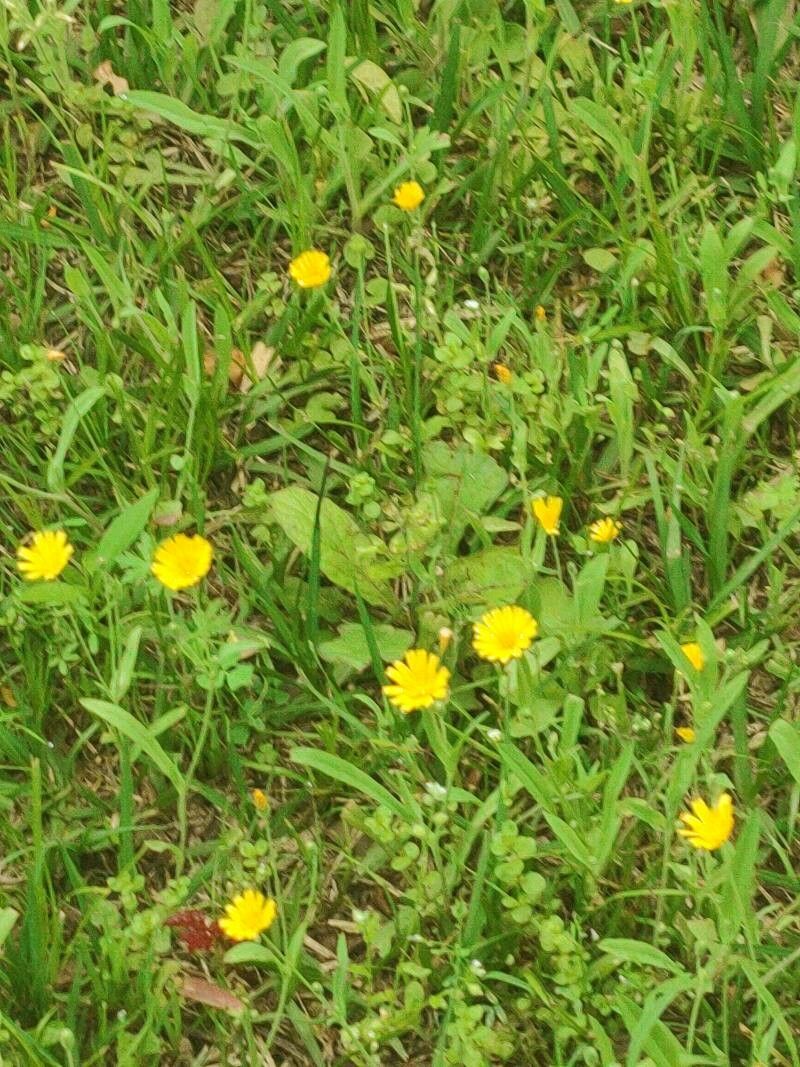
Spreading Sunshine: A Guide to Propagating Dwarf Dandelion (Krigia virginica)
The Dwarf Dandelion (Krigia virginica) might not be the first plant that comes to mind when you think of a vibrant garden. But don’t let its diminutive size and common name fool you. This North American native, with its cheerful yellow blooms resembling miniature dandelions, offers a charming touch to rock gardens, wildflower meadows, and even container gardens. And the best part? Propagating Krigia virginica is easier than you might think!
This guide will walk you through the two most effective methods:
1. Seed Propagation: Embracing the Beauty of Patience
For those who enjoy the magic of a plant’s life cycle from the very beginning, seed propagation is the way to go. Here’s how:
- Seed Collection: As the cheerful yellow flowers of your Krigia virginica fade, they’ll be replaced by small, fluffy seed heads. Wait until the seed heads turn a light brown and the seeds appear dry—this usually happens in late spring to early summer. Gently pluck the seed heads and store them in a paper bag for a few days to allow any remaining seeds to dry.
- Sowing the Seeds: You can sow Krigia virginica seeds directly outdoors in the fall or start them indoors 6-8 weeks before the last frost. Choose a well-drained potting mix or prepare a sunny spot in your garden with loose, fertile soil. Sprinkle the seeds on the surface and lightly press them in, ensuring they have good contact with the soil but are not buried too deep.
- Watering and Care: Keep the soil consistently moist but not waterlogged. A spray bottle works well to avoid disturbing the tiny seeds. Once the seedlings emerge, usually within 2-3 weeks, thin them out to give each plant about 6 inches of space to grow.
2. Division: Multiplying Your Floral Bounty
If you already have a thriving Krigia virginica plant, division is a quick and straightforward way to create more. Here’s how:
- Timing is Key: The best time to divide Krigia virginica is in the early spring, just as new growth begins to emerge.
- Divide and Conquer: Carefully dig up the plant, ensuring you get as much of the root system as possible. Using a clean, sharp knife or garden shears, divide the plant into sections, making sure each section has a good amount of roots and shoots.
- Replanting: Replant the divisions in their desired locations, ensuring the crown of the plant (where the roots meet the stems) sits level with the soil surface. Water thoroughly and keep the soil consistently moist as the plants establish themselves.
Caring for Your New Krigia Virginica Plants:
Krigia virginica is a low-maintenance plant, but a little care goes a long way:
- Sunlight: While Dwarf Dandelion tolerates partial shade, these cheerful blooms thrive in full sun, rewarding you with an abundance of flowers.
- Watering: Water regularly, keeping the soil moist but not soggy. This plant is relatively drought-tolerant once established.
- Soil: Well-drained soil is essential. Amend heavy clay soils with compost or other organic matter to improve drainage.
- Fertilizer: Krigia virginica is not a heavy feeder. However, you can give it a boost with a balanced, slow-release fertilizer in the spring.
By following these easy propagation techniques, you’ll be able to enjoy the sunny disposition of Dwarf Dandelion in your garden for years to come. Happy gardening!