
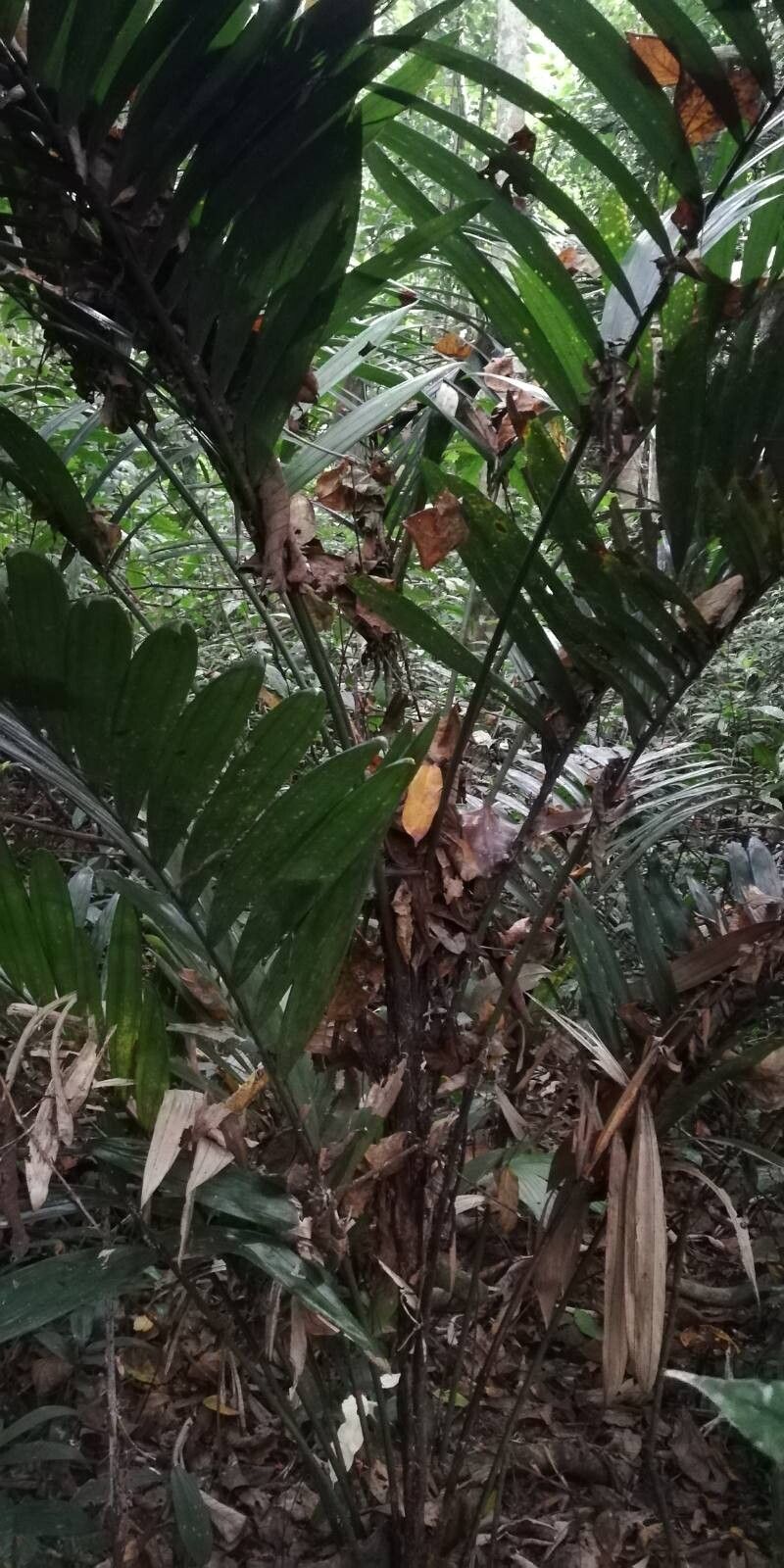
From Seed to Sprout: Propagating the Exquisite Laccosperma secundiflorum
The Laccosperma secundiflorum, with its graceful, arching fronds and elegant stature, is a true beauty in the world of palms. But beyond aesthetics, this plant is a testament to resilience, thriving in challenging environments and providing essential resources to local communities. Want to bring this remarkable palm into your own garden? Let’s explore the art of propagating the Laccosperma secundiflorum, transforming a single seed into a verdant wonder.
The Power of Seeds
The Laccosperma secundiflorum is primarily propagated through seeds. These small, brown gems hold the potential for life, and with a little TLC, they can blossom into magnificent palms. Here’s how to get started:
Collecting Seeds: The first step is to acquire fresh, viable seeds. If you have access to mature Laccosperma secundiflorum palms, look for the ripe, orange-red fruits that harbor the seeds. This typically occurs during the plant’s fruiting season. Carefully remove the seeds from the fruit, ensuring they are free from pulp.
Pre-Sowing Preparation: Seeds need a little encouragement to sprout. Submerge them in warm water for 24 hours to soften the outer layer, making germination easier. After this, they are ready for planting.
- Planting and Germination: Fill a seed tray or pot with a well-draining potting mix. Choose a location that offers dappled sunlight, as direct sunlight can scorch the delicate seedlings. Sow the seeds about 2 inches deep and gently water. Moisture is key – keep the soil consistently moist, but not waterlogged. Patience is essential as germination can take anywhere from a few weeks to several months.
Nurturing the Seedlings
Once the seedlings emerge, they need continued care and attention.
Light and Watering: Ensure your seedlings are exposed to bright, indirect light, gradually acclimating them to the sun. Water them regularly, keeping the soil moist but not soggy.
Fertilization: A balanced, slow-release fertilizer will provide the necessary nutrients for healthy growth. Follow the manufacturer’s instructions for application frequency and dosage.
- Transplanting: Once the seedlings have developed a strong root system, they can be transplanted to larger pots or directly into the ground. Choose a location that mimics the natural habitat of the Laccosperma secundiflorum, ensuring well-drained soil and adequate sunlight.
Beyond Seeds: Propagation through Offsets
While less common, Laccosperma secundiflorum can also be propagated through offsets. Offsets are small plantlets that grow at the base of the parent plant. Carefully detach them from the parent plant, ensuring that each offset has its own set of roots. Plant them in a suitable potting mix and maintain consistent moisture and optimal light conditions.
A Note on Patience and Perseverance
Propagation takes time and dedication – it is a journey of nurturing life. While it might seem like a slow process, observe the transformation, from a tiny seed to a proud palm. The joy of witnessing the Laccosperma secundiflorum grow from your own efforts is truly rewarding.
A Gift for Generations
Propagating the Laccosperma secundiflorum is more than just cultivating beauty; it’s a testament to our connection with nature. It’s a chance to appreciate the resilience of this remarkable plant, while also contributing to its survival and ensuring future generations can enjoy its captivating presence. So, embark on this journey of propagation, and let the magic of the Laccosperma secundiflorum unfold in your garden.