
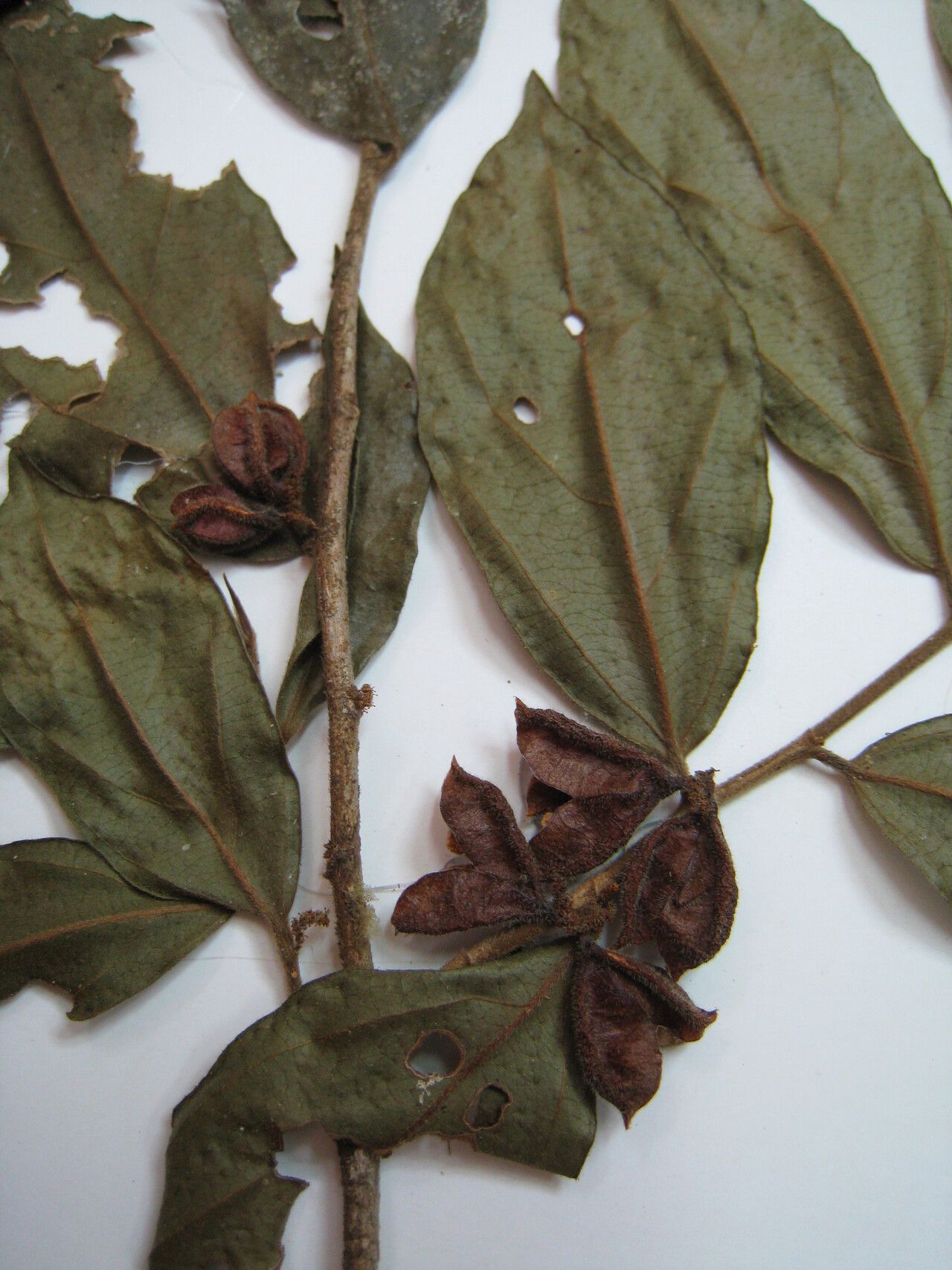
Unlocking the Secrets of Lacistema polystachyum: A Propagation Guide
Lacistema polystachyum, might not roll off the tongue as easily as “rose” or “daisy,” but this tropical shrub holds a certain quiet beauty and ecological importance that makes it a fascinating subject for plant enthusiasts. If you’re curious about introducing this unique species to your garden or simply want to learn more about its propagation, you’ve come to the right place.
Understanding the Basics
Native to the tropical regions of the Americas, Lacistema polystachyum thrives in warm, humid environments with well-drained soil. Part of the Lacistemaceae family, it’s known for its simple, alternate leaves and small, inconspicuous flowers. While information on its cultivation is limited, we can glean insights from its natural habitat and the general principles of propagating tropical plants.
Propagation Techniques
Seed Propagation: This method requires patience, as seeds of Lacistema polystachyum can be challenging to come by and may exhibit irregular germination rates. If you do manage to obtain seeds:
- Scarification: Consider lightly scarifying the seeds, which involves gently nicking or sanding the seed coat. This allows moisture to penetrate and can improve germination rates.
- Sowing: Plant the seeds in a well-draining seed-starting mix, keeping them consistently moist but not waterlogged.
- Warmth and Humidity: Provide bottom heat using a seedling mat and maintain high humidity by covering the seed tray with a plastic dome or placing it inside a humidity chamber.
- Patience: Germination times can vary, so don’t be discouraged if your seeds take a while to sprout.
Cuttings: Propagating from cuttings offers a potentially faster method if you have access to a mature Lacistema polystachyum plant.
- Select healthy stems: Choose young, vigorous stems that are not yet woody.
- Prepare the cuttings: Using a clean, sharp knife or pruning shears, cut a 4-6 inch section of stem just below a leaf node. Remove the lower leaves to prevent rotting.
- Hormone Treatment (Optional): Dipping the cut end in rooting hormone can encourage root development, though it’s not strictly necessary.
- Planting: Insert the cuttings into a well-draining rooting medium, such as a mix of perlite and peat moss.
- Create a humid environment: Cover the cuttings with a plastic bag or humidity dome to trap moisture.
- Light and Watering: Provide bright, indirect light and keep the rooting medium consistently moist but not soggy.
Caring for Your New Plants
Once your Lacistema polystachyum seedlings or cuttings have developed a strong root system, you can gradually acclimate them to their permanent growing conditions. Choose a location in your garden that receives dappled sunlight or partial shade and has well-drained soil. Water regularly, especially during dry periods, but avoid overwatering to prevent root rot.
A Note of Exploration
Keep in mind that due to the limited information available, propagating Lacistema polystachyum can be an adventure in itself. Don’t be afraid to experiment and adapt your methods based on your specific environment and resources. By documenting your successes and challenges, you’ll not only be contributing to the understanding of this fascinating species but also enjoying the rewarding experience of cultivating a plant less ordinary.